
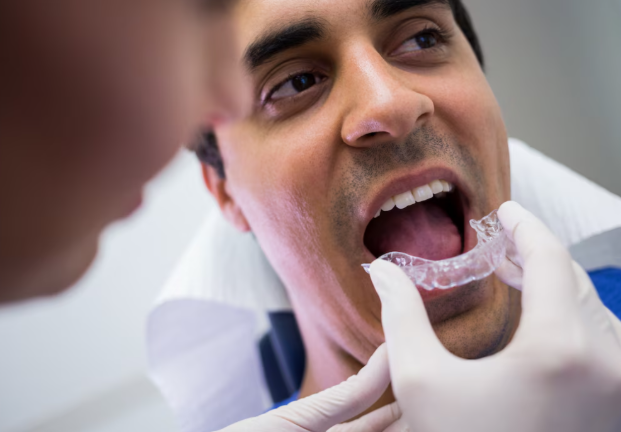
How long Invisalign takes depends primarily on the complexity of the orthodontic concerns being treated, but most patients complete their active aligner treatment within six to eighteen months, with straightforward cases sometimes finishing in as little as three to six months and more complex cases occasionally extending beyond eighteen months. The timeline is not fixed or universal because every patient’s teeth and bite are different, and the number of aligners required to achieve the planned final positions varies considerably from one case to the next. If you want a realistic and honest estimate of how long your specific treatment would take, consulting with a trusted Dental Clinic in Battersea that provides comprehensive Invisalign assessments is the only way to get a timeline based on your actual clinical situation, rather than a generic average.
Understanding what drives the Invisalign treatment timeline helps patients set realistic expectations and appreciate why their provider’s recommended duration may differ from what they have read online or heard from friends. The duration of Invisalign treatment is not simply a matter of the provider’s approach or the product used. It is fundamentally determined by the biology of tooth movement, the extent of the changes needed, and the patient’s own compliance with the daily wear requirements of the aligner system. For residents who want access to the best Dental Care in Battersea with clear, honest guidance on every aspect of the Invisalign journey, including realistic timeline expectations, understanding these factors in depth is the essential foundation for a confident treatment decision.
What Determines How Long Invisalign Takes
The duration of Invisalign treatment is influenced by several interconnected factors that your dental provider will assess during your initial consultation and treatment planning appointment. Understanding each of these factors helps you understand why your personal timeline may differ from the averages you encounter in general articles and online resources.
The Complexity of Your Orthodontic Concerns
The most fundamental determinant of treatment duration is how much tooth movement is required to achieve the planned final alignment and bite. Simple cases involving mild crowding of the front teeth or small spaces between a few teeth require relatively few aligners and can often be completed within a short timeframe. Complex cases involving significant crowding across multiple teeth in both arches, substantial bite corrections, significant rotations, or combinations of several different types of tooth movement require a much larger number of aligners and a correspondingly longer treatment timeline.
It is important to understand that the complexity of the orthodontic concerns being treated is a clinical reality that cannot be shortened without compromising the quality of the outcome. A provider who promises an unusually short timeline for a genuinely complex case may be setting unrealistic expectations or planning to address only part of the correction needed rather than the full picture. A skilled Dentist in Battersea who provides an honest and thorough assessment will give you a treatment timeline that reflects the genuine clinical scope of your case rather than telling you what you want to hear.
Battersea Dental Practice is one of the best dental clinics in Battersea, providing detailed Invisalign assessments that give patients a clear and honest understanding of their expected treatment timeline, the factors influencing it, and what they can do to ensure their treatment progresses as efficiently as possible. Located at 33A Queenstown Rd, London SW8 3RE, United Kingdom, the team is reachable at +44 20 7622 5322 or batterseadentalpractice@gmail.com to schedule your consultation.
For patients who want to understand how different types and levels of orthodontic complexity translate into different Invisalign product recommendations and timeline expectations, the Invisalign Treatment Options in Battersea page at Battersea Dental Practice provides a helpful overview of the full product range and the cases each is designed to treat.
Patient Compliance With Aligner Wear
Unlike traditional fixed braces, which are permanently attached to the teeth and work continuously without any input from the patient, Invisalign relies entirely on the patient wearing the aligners for the recommended 20 to 22 hours per day. This compliance requirement is the single most variable and patient-controlled factor in determining how long Invisalign actually takes in practice.
Each aligner in the series is designed to achieve a specific and precise increment of tooth movement over its prescribed wear period. When aligners are worn consistently for the recommended daily duration, the teeth move as planned and the patient advances through the aligner series on schedule. When aligners are removed for longer than the two to four hours per day that the system allows for eating and oral hygiene, the teeth do not complete the planned movement within the aligner’s wear period, subsequent aligners do not fit as accurately, and the overall treatment timeline extends.
Patients who are honest with themselves about their lifestyle and their ability to maintain consistent aligner wear will find that Invisalign delivers results within the projected timeline. Patients who frequently remove their aligners for social occasions, meals, or simply because they find them uncomfortable will consistently extend their treatment duration beyond the original estimate.
The Rate of Individual Biological Tooth Movement
Teeth move through bone in response to the controlled forces applied by orthodontic appliances, and the rate at which this movement occurs is influenced by individual biological factors including age, bone density, overall health, and certain medications. Younger patients generally experience faster tooth movement than older patients because younger bone is more metabolically active and remodels more readily in response to orthodontic forces.
This biological variability means that two patients with apparently similar cases and identical aligner series may complete their treatment at slightly different rates. The ClinCheck treatment planning system builds in appropriate timeframes for tooth movement based on clinical norms, but individual variation in biological response is a factor that neither the dental provider nor the patient can fully control.
The Need for Refinements
Refinement aligners are additional aligner stages prescribed when certain teeth have not moved exactly as planned during the main aligner series. They are a completely normal and expected part of many Invisalign treatments rather than a sign that something has gone wrong. However, refinements do add time to the overall treatment duration, typically several additional weeks to a few months depending on the extent of the fine-tuning needed.
The likelihood of needing refinements is influenced by the complexity of the case, the accuracy of the initial treatment planning, the patient’s compliance throughout the main aligner series, and the biological response of the individual teeth to the planned movements. An experienced Invisalign provider who develops precise and realistic treatment plans tends to minimize the need for extensive refinements compared to a less experienced provider working with the same case.
Invisalign Treatment Timelines by Product Type
The Invisalign product prescribed for a patient’s case gives a useful initial framework for expected treatment duration. Here is a practical overview of the typical timeline associated with each main product tier.
Invisalign Comprehensive
Invisalign Comprehensive is designed for the full range of mild to complex cases and has the most variable treatment timeline of any product in the range. Simple cases treated with Comprehensive may be completed in as little as six to twelve months. Moderate cases typically take twelve to eighteen months. Complex cases involving significant crowding, bite correction, or multiple types of tooth movement may take eighteen months to two years or occasionally longer.
The unlimited aligner provision of Comprehensive treatment means that the case continues to be managed until the planned treatment goals are achieved, regardless of how many aligner stages that requires. This makes it the most appropriate and most clinically flexible option for complex cases where the exact number of stages needed cannot be predicted with certainty from the outset.
Invisalign Lite
Invisalign Lite is designed for mild to moderate alignment concerns and typically takes between six and twelve months to complete. The defined and more limited number of aligners in the Lite product means that the treatment scope and timeline are more predictable than Comprehensive treatment. Cases that are appropriate for Lite treatment consistently complete within this timeframe when the patient maintains good compliance and the case does not require significant refinement.
Invisalign Go
Invisalign Go is the most focused product in the range, addressing mild cosmetic corrections to the front teeth, and typically completes within three to six months for appropriate cases. This makes it the fastest Invisalign option available, though it is only suitable for the most mild and localized alignment concerns and should not be chosen by patients who need more extensive treatment simply to achieve a shorter timeline.
Invisalign Teen
Invisalign Teen provides a comparable treatment scope to Comprehensive and therefore has a similar timeline range. The additional features of the Teen product, including compliance indicators and replacement aligner provisions, are designed to support consistent wear and minimize treatment extension due to compliance issues or aligner damage rather than to shorten the treatment duration itself.
Step-by-Step: How the Invisalign Timeline Unfolds
Understanding the sequence of events throughout an Invisalign treatment helps patients see how the timeline is structured and what happens at each stage that contributes to the overall duration.
Step 1: Initial Consultation and Assessment The timeline begins with a comprehensive consultation that includes digital scanning, X-rays, photographs, and a full clinical examination. This appointment typically takes one hour and is the foundation of the treatment plan. The time between this appointment and treatment beginning is typically two to four weeks while the ClinCheck plan is developed and approved.
Step 2: ClinCheck Treatment Plan Development After the clinical records are taken, the dental provider develops the three-dimensional digital treatment plan that maps out every stage of tooth movement. The patient reviews the plan, discusses any adjustments, and provides approval. This stage typically takes one to two weeks.
Step 3: Aligner Fabrication and Delivery Once the treatment plan is approved, the full series of custom aligners is manufactured and delivered to the practice. This process typically takes two to four weeks from plan approval.
Step 4: Fitting Appointment The fitting appointment involves the placement of any composite attachments required by the treatment plan and the delivery of the first aligners in the series with full instructions. The active treatment timeline begins from this appointment.
Step 5: Active Aligner Wear The patient wears each aligner for approximately one to two weeks before advancing to the next tray in the sequence. The total active aligner wear period forms the core of the treatment timeline and is the stage most influenced by patient compliance and biological response.
Step 6: Progress Monitoring Appointments Regular appointments every six to eight weeks throughout the active treatment period allow the dental provider to assess progress and confirm that the teeth are tracking as planned. Issues identified at these appointments can be addressed promptly, preventing delays from accumulating.
Step 7: Refinements if Required If refinement aligners are needed to achieve the final planned positions, these add additional weeks or months to the active treatment timeline depending on the extent of the refinement required.
Step 8: Retention Phase Once active treatment is complete, retainers are fitted and the patient enters the retention phase. This phase is permanent in duration and continues indefinitely to maintain the corrected positions. While not typically counted within the active treatment timeline, the retention phase is an essential and ongoing part of the overall orthodontic commitment.
What Patients Can Do to Stay on Track With Their Timeline
There are several practical steps patients can take to ensure their treatment progresses as efficiently as possible and minimizes the risk of timeline extension.
- Wear aligners for the full recommended 20 to 22 hours every single day without exception, removing them only for eating, drinking anything other than water, and brushing and flossing
- Advance to each new aligner on the scheduled date rather than extending the wear time of a comfortable aligner unnecessarily
- Attend all scheduled monitoring appointments without delay so that any tracking issues are identified and addressed promptly
- Contact the dental practice immediately if an aligner is lost, damaged, or does not fit as expected rather than waiting for the next scheduled appointment
- Maintain meticulous oral hygiene to keep the teeth and gums healthy throughout treatment, as periodontal problems can slow tooth movement and require treatment breaks
- Avoid removing aligners for social occasions or professional situations more frequently than the treatment allowance permits
- Keep previous aligners rather than discarding them so that they are available as a backup if a current aligner is lost or damaged
Common Patient Mistakes That Extend the Invisalign Timeline
Understanding the most common mistakes that cause Invisalign treatment to run longer than the original estimate helps patients actively avoid them throughout their treatment journey.
Consistently Under-Wearing Aligners The most common cause of Invisalign treatment extension is consistent under-wearing of aligners. Even a daily shortfall of two to three hours below the recommended wear time accumulates over a treatment period of months to years into a significant amount of missed tooth movement time. Patients who are honest with themselves and committed to the wear requirement will consistently complete treatment closer to the original timeline estimate.
Advancing to the Next Aligner When the Current One Does Not Fit Well Some patients advance to the next aligner in their series as scheduled even when the current aligner feels loose or does not fit snugly against all teeth, assuming this is normal. A well-fitting aligner at the end of its wear period indicates that the planned tooth movement has been achieved. A loose or poorly fitting aligner at the scheduled advancement date may indicate that the planned movement is incomplete and that additional wear time on the current aligner is needed before advancing.
Not Reporting Fit Issues Promptly Patients who notice that their aligners are not fitting as expected and wait until their next scheduled appointment rather than contacting their provider promptly allow tracking issues to accumulate through multiple aligners, increasing the extent of refinements needed and the timeline extension that results.
Stopping Retainer Wear After Active Treatment While stopping retainer wear does not extend the active treatment timeline, it reverses the results of treatment over time, potentially necessitating retreatment at a later date. Consistent retainer wear after active treatment is the final and permanent step in ensuring that the investment of time and effort in Invisalign treatment delivers a lasting result.
Frequently Asked Questions
- Can Invisalign treatment be completed faster than the estimated timeline? Treatment occasionally completes slightly ahead of the original estimate when a patient’s biological response to tooth movement is faster than average and their compliance has been excellent throughout. However, deliberately trying to accelerate Invisalign treatment by advancing aligners ahead of schedule is counterproductive because each aligner must complete its planned tooth movement before the next one can be effective. Some practices offer supplementary acceleration devices that may slightly reduce treatment time for suitable patients, and this is worth discussing with your dental provider if a shorter timeline is a priority for you.
- Why is my Invisalign taking longer than my friend’s treatment? Invisalign timelines vary significantly between patients because of differences in case complexity, individual biological response to tooth movement, and compliance levels. Your friend may have had a simpler case, a faster biological response, or higher compliance than your own situation involves. The most meaningful comparison is between your own progress and the timeline projected in your specific ClinCheck plan rather than between your timeline and that of anyone else undergoing Invisalign treatment.
- What happens if I lose an aligner partway through treatment? If an aligner is lost, you should contact your dental provider as soon as possible. Depending on where you are in your treatment sequence, your provider may recommend wearing the previous aligner to maintain the current tooth position while a replacement is arranged, or advancing to the next aligner if you are very close to the scheduled advancement date. Lost aligners add time and potential cost to treatment, which is why keeping the previous aligner as a backup is always recommended rather than discarding it when you advance.
- Does age affect how long Invisalign takes? Age does influence the rate of biological tooth movement to some degree because younger bone remodels more readily in response to orthodontic forces, meaning younger patients may experience slightly faster tooth movement than older adults. However, age is only one of several factors influencing the treatment timeline, and many adult patients complete treatment within the expected timeframe without any significant age-related delays. The complexity of the case and the patient’s compliance are generally more influential than age alone in determining the actual treatment duration.
- Do I need to wear retainers forever after Invisalign? Yes, retainers should be worn indefinitely after the active Invisalign treatment phase is complete. Teeth have a natural tendency to drift throughout life in response to the forces of biting, chewing, and the pressure of the surrounding soft tissues, regardless of whether orthodontic treatment has been undertaken. Retainers are the only reliable way to counteract this natural tendency and maintain the corrected positions permanently. Most patients wear retainers every night for the rest of their lives, and retainers will need to be replaced periodically as they wear over the years.
Conclusion
How long Invisalign takes is determined by the complexity of the individual orthodontic case, the specific product used, the patient’s compliance with daily aligner wear, and individual biological response to tooth movement, with most patients completing active treatment within six to eighteen months and retaining their results indefinitely through consistent retainer wear. Understanding the factors that influence the timeline, avoiding the compliance mistakes that extend it, and working with an experienced certified provider who sets realistic expectations are the three foundations of an Invisalign experience that delivers excellent results within a timeframe you can confidently plan around. Battersea Dental Practice, located at 33A Queenstown Rd, London SW8 3RE, United Kingdom, is one of the most trusted dental clinics in Battersea, providing honest, detailed Invisalign consultations and expert treatment to patients who want a straightforward path to a straighter, healthier smile. To discuss your specific case and receive a personalized timeline estimate, contact the team at batterseadentalpractice@gmail.com or call +44 20 7622 5322.