
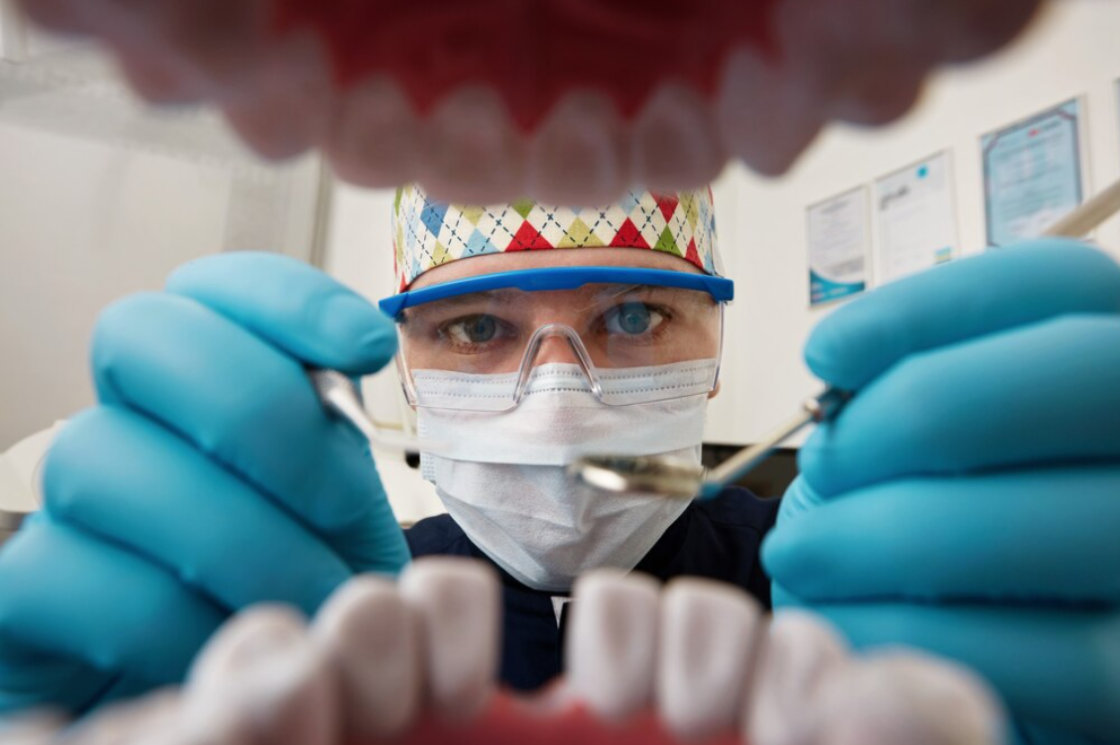
Dental crowns explained in Battersea refer to a thorough understanding of what a dental crown is, when it is needed, how it is placed, what materials are available, and how to care for it over the long term. A dental crown is a custom-made cap that fits precisely over a damaged, weakened, or heavily restored natural tooth to restore its shape, strength, function, and appearance, protecting the underlying tooth structure from further damage while looking and feeling completely natural. If you have been advised that you need a crown and want to understand the process fully before your appointment at a trusted Dental Clinic in Battersea, this guide walks you through everything clearly and honestly so that you can approach your treatment with complete confidence.
Dental crowns are one of the most versatile and commonly placed restorations in dentistry, and for good reason. They serve as the solution for a wide range of situations where a tooth has been compromised in a way that a filling or other conservative treatment cannot adequately address. Whether a tooth has been fractured, severely decayed, weakened by root canal treatment, or simply worn down over years of use, a well-made dental crown restores it to full function and protects it from the forces of biting and chewing that could otherwise cause irreparable damage. For residents seeking the highest standard of Dental Care in Battersea that prioritises preserving natural teeth wherever possible, a dental crown is often the most clinically appropriate and long-term beneficial solution available.
What Is a Dental Crown
A dental crown is a fixed dental restoration that completely encases the visible portion of a natural tooth above the gumline. Unlike a filling, which repairs only a specific damaged area of a tooth, a crown covers the entire external surface of the tooth and provides full circumferential protection from all directions. It is cemented permanently onto the prepared natural tooth and functions as a durable, protective outer shell that restores the tooth to its original dimensions and allows it to withstand the normal forces of daily biting and chewing.
Crowns are custom-fabricated to match the precise shape, size, and shade required for each individual tooth and patient. When designed and placed correctly, a crown is virtually indistinguishable from the natural teeth surrounding it, providing both functional restoration and an aesthetically seamless result that fits naturally within the patient’s smile.
A qualified Dentist in Battersea who provides crown treatment will conduct a thorough assessment of the affected tooth and the surrounding dentition before recommending a crown and will explain clearly which material is most appropriate for the specific location and functional demands of the tooth in question.
Battersea Dental Practice is one of the best dental clinics in Battersea, providing expertly crafted dental crowns as part of a comprehensive range of restorative and cosmetic dental treatments delivered with precision, care, and a genuine commitment to long-lasting, natural-looking results. Located at 33A Queenstown Rd, London SW8 3RE, United Kingdom, the practice is reachable at +44 20 7622 5322 or batterseadentalpractice@gmail.com to schedule an assessment or discuss any concerns about a tooth that may require a crown.
For patients who want to understand the full range of crown options available and what to expect from the treatment process at a leading Battersea provider, Dental Crowns in Battersea at Battersea Dental Practice provides detailed information about the materials, process, and outcomes associated with crown treatment at the practice.
When Is a Dental Crown Needed
A dental crown is recommended when a tooth has been compromised to the point where conservative treatments such as fillings or bonding can no longer provide adequate protection, function, or structural integrity. Here are the most common clinical situations in which a crown is the most appropriate treatment.
Severely Decayed Teeth
When tooth decay has destroyed so much of the natural tooth structure that insufficient healthy tooth material remains to support a conventional filling, a crown provides the coverage and structural support needed to restore the tooth to its original form and function. In these cases, attempting to place a filling in the limited remaining tooth structure would result in an unstable restoration that is likely to fail, whereas a crown encases the entire remaining structure and distributes biting forces evenly across the full surface.
Teeth After Root Canal Treatment
Root canal treatment removes the pulp tissue from inside the tooth, which, over time, makes the tooth more brittle and more vulnerable to fracture under the forces of chewing. A crown placed after root canal treatment provides full coverage protection that prevents the treated tooth from fracturing, which is particularly important for the back teeth that bear the greatest chewing forces. Placing a crown after root canal treatment is one of the most important steps in protecting the long-term survival of the treated tooth.
Cracked or Fractured Teeth
A tooth that has developed a crack can cause significant pain when biting and is at risk of the crack propagating through the root if the tooth is not protected. A crown binds the cracked tooth together from the outside, preventing the crack from extending further and allowing the tooth to function without pain. Depending on the depth and direction of the crack, a crown may save a tooth that would otherwise require extraction.
Severely Worn Teeth
Teeth that have been significantly worn down by bruxism, acid erosion, or years of heavy wear may have lost so much of their original height and surface that their chewing function is compromised, and the underlying dentin is exposed. Crowns can rebuild worn teeth to their correct dimensions, restore biting function, and protect the exposed dentin from further wear and sensitivity.
Broken or Fractured Cusps
A broken tooth cusp, particularly on a back tooth, can leave the remaining tooth structure vulnerable and often requires a crown to fully protect and restore the tooth. While small fractures may be managed with bonding or an inlay, more significant cuspal fractures typically benefit from the full coverage protection that only a crown can provide.
Aesthetic Improvement
In some cases, crowns are used for cosmetic purposes to address teeth that are severely discoloured, misshapen, or structurally compromised in a way that cannot be corrected through more conservative cosmetic treatments. A crown provides complete coverage of the natural tooth surface, allowing the visible appearance to be entirely redesigned to achieve the desired aesthetic outcome.
Crown Materials: Understanding Your Options
Dental crowns are available in several different materials, each with specific characteristics that make them more or less suitable depending on the location of the tooth, the functional demands placed on it, and the patient’s aesthetic priorities.
All-Ceramic and Zirconia Crowns
All-ceramic crowns, including those fabricated from zirconia, are the gold standard for aesthetic crown restorations and have become the preferred choice for most patients who want the most natural-looking result. The optical properties of dental ceramic closely mimic those of natural tooth enamel, including the way it reflects light, which produces a result that is virtually indistinguishable from the surrounding natural teeth.
Zirconia crowns are exceptionally strong, fully biocompatible, and produce no metal shadow at the gumline that can become apparent over time as the gum tissue changes. They are suitable for both front and back teeth and represent the current clinical standard for crown material in most situations.
Porcelain Fused to Metal Crowns
Porcelain-fused-to-metal crowns combine a metal substructure for strength with a porcelain outer layer matched to the tooth shade for aesthetics. They have been used successfully in dentistry for many decades and provide a reliable combination of durability and appearance. One limitation is that the metal substructure can create a dark line visible at the gumline, particularly if gum tissue recedes over time, which reduces their aesthetic advantage compared to fully ceramic options.
Full Metal Crowns
Full metal crowns are fabricated entirely from dental alloys and are the most durable and wear-resistant crown option available. They require the least amount of tooth preparation of all crown types and are extremely resistant to fracture. Their primary limitation is their metallic appearance, which makes them most appropriate for the second molars at the very back of the mouth where they are not visible during normal speech and smiling.
Temporary Crowns
A temporary crown is a chairside-fabricated acrylic or composite restoration placed on a prepared tooth while the permanent crown is being manufactured in the dental laboratory. It protects the prepared tooth, maintains the space, and provides a functional interim restoration during the typically one to two week fabrication period.
Step-by-Step: The Dental Crown Procedure
Understanding every stage of the crown procedure helps patients feel fully prepared and reduces anxiety before and during the treatment appointments.
Step 1: Initial Assessment and Treatment Planning The process begins with a comprehensive examination of the affected tooth, including digital X-rays to assess the health of the root, the surrounding bone, and the extent of any existing damage or decay. The dentist will explain the findings, confirm that a crown is the most appropriate treatment, discuss the material options, and answer any questions before beginning any preparation work.
Step 2: Local Anesthesia Local anaesthetic is administered to fully numb the tooth and the surrounding gum and bone tissue before any preparation begins. The crown preparation procedure is comfortable under effective local anaesthesia and most patients feel only gentle pressure rather than any discomfort throughout the appointment.
Step 3: Tooth Preparation A precise and controlled amount of tooth structure is removed from all surfaces of the tooth to create the space needed for the crown to sit flush with the adjacent teeth and provide a functional bite. The amount removed depends on the crown material selected. The goal is to remove the minimum amount of healthy tooth structure necessary while creating adequate space for the crown.
Step 4: Digital Scanning or Impressions Once the tooth is prepared, precise records of the prepared tooth and the surrounding dentition are taken using digital intraoral scanning or traditional impression materials. These records are sent to the dental laboratory where the custom crown is fabricated to the exact specifications required for an accurate fit and the agreed shade.
Step 5: Shade Selection Using a standardised shade guide, the dentist selects the tooth colour that most closely matches the surrounding natural teeth. This ensures that the permanent crown blends seamlessly into the smile for a completely natural appearance once placed.
Step 6: Temporary Crown Placement A temporary crown is placed over the prepared tooth to protect it and maintain normal appearance and function during the laboratory fabrication period, which typically takes one to two weeks. Temporary crowns should be treated with care and certain foods should be avoided to prevent dislodgement before the permanent crown is ready.
Step 7: Permanent Crown Fitting and Cementation When the permanent crown is ready, it is placed on the prepared tooth without cement to check the fit, shape, bite, and shade before final placement. Any necessary adjustments are made at this stage to ensure the crown is perfect in all respects before it is permanently cemented in place using a strong dental adhesive.
Step 8: Bite Check and Final Adjustments After cementation, the bite is carefully checked and any minor occlusal adjustments are made to ensure the crown feels completely natural and balanced when biting and chewing. The patient should feel comfortable and able to function normally immediately after the appointment.
Common Patient Mistakes Related to Dental Crowns
Awareness of the most common mistakes patients make regarding crowns helps you protect both the tooth and the restoration for the long term.
Delaying Crown Placement After Root Canal Treatment: Many patients complete their root canal treatment and postpone the recommended crown because the tooth no longer causes pain. A root-canal-treated tooth without a crown is highly susceptible to fracture, particularly for the back teeth that are subjected to significant chewing force. A fracture can render the tooth completely unrestorable, making the extraction it was designed to prevent unavoidable. Getting the crown placed promptly after root canal treatment is one of the most important decisions a patient can make for the long-term health of that tooth.
Ignoring a High Bite After Crown Placement: If a crown feels too high when biting, this needs to be reported to the dental practice without delay rather than assuming it will settle on its own. A crown that is even slightly too high distributes biting force unevenly and can cause significant discomfort, damage to the underlying tooth, and stress on the temporomandibular joint if left uncorrected. A minor bite adjustment at the practice resolves this quickly and comfortably.
Neglecting Oral Hygiene Around Crowned Teeth: Some patients assume that a crowned tooth does not need careful brushing and flossing because it is protected by the crown. The natural tooth structure beneath and around the crown is still entirely susceptible to decay, particularly at the margin where the crown meets the tooth at the gumline. Meticulous brushing and daily flossing around crowned teeth is just as important as around natural teeth.
Using Teeth as Tools: Biting packaging, fingernails, ice, or pen caps places unpredictable and excessive force on crown margins and can cause chipping or fracture of the crown material or debonding of the restoration. These habits should be avoided entirely by all patients, but particularly those with crowns.
Not Informing the Dental Team of Grinding Habits: Patients who grind their teeth at night and do not disclose this to their dental provider risk fracturing their crown during sleep. A custom night guard fabricated by the dental practice protects both the crown and the natural teeth from the sustained forces of bruxism and significantly extends the lifespan of the restoration.
Prevention and Maintenance Tips for Long-Lasting Crowns
Consistent care of your crown and the supporting tooth structures ensures the maximum possible lifespan from your restoration.
- Brush thoroughly twice daily using a soft-bristled toothbrush and fluoride toothpaste, paying particular attention to the gumline margin where the crown meets the natural tooth
- Floss daily around crowned teeth to prevent plaque accumulation and decay at the crown margins
- Avoid biting on hard foods such as ice, boiled sweets, and nuts directly with crowned teeth
- Wear a custom night guard if you grind or clench your teeth to protect the crown from bruxism forces
- Attend your six-monthly professional cleaning and examination appointments so the dental team can monitor the crown margin, the supporting bone, and the health of the gum tissue around the restoration
- Contact the practice promptly if the crown chips, feels loose, or the bite changes rather than waiting for the next scheduled appointment
Frequently Asked Questions
- How long does a dental crown last? The lifespan of a dental crown depends on the material used, the location of the tooth, the patient’s bite habits, and how consistently good oral hygiene and professional care are maintained. Well-maintained zirconia and all-ceramic crowns can last fifteen years or more. Porcelain fused to metal crowns have a comparable lifespan. All crowns will eventually require replacement, and attending regular professional checkups allows the dental team to identify wear, margin deterioration, or other signs that a replacement is needed before a clinical problem develops.
- Is the crown procedure painful? The crown preparation procedure is carried out under local anaesthesia and should not be painful. Patients typically experience mild sensitivity in the prepared tooth and surrounding gum tissue for a few days after preparation, which resolves on its own. Some sensitivity after the permanent crown is placed is also normal and typically settles within a few weeks. Sensitivity that persists beyond this period or that is severe should be reported to the dental provider for assessment.
- Can a dental crown fall off? A properly cemented dental crown should remain securely in place under normal circumstances. However, crowns can become loose or dislodge if the cement seal is compromised by decay beneath the crown, if the crown sustains a significant impact or biting force, or if the tooth preparation was compromised. If your crown comes off, keep it safe, contact your dental practice promptly, and avoid trying to recement it yourself with household adhesives, as these materials are not safe for oral use.
- Will my crown look natural? When designed and placed by an experienced dental professional using high-quality materials, a well-made crown is virtually indistinguishable from the natural teeth surrounding it. Modern all-ceramic and zirconia crowns replicate the optical properties of natural enamel with exceptional accuracy. The shade selection process during your crown appointment ensures that the colour of the crown is matched as closely as possible to the adjacent teeth for a seamless and natural-looking result.
- Do I need a crown after every root canal treatment? A crown is strongly recommended after root canal treatment for most teeth, particularly the back teeth that are subjected to significant chewing forces. Root canal treatment removes the pulp tissue that provides the tooth with nutrition and moisture, which makes the treated tooth more brittle and susceptible to fracture over time. A crown provides the full coverage protection needed to prevent this. For some front teeth with very little existing restoration, a dental provider may advise that a large filling is sufficient, but a crown is the standard recommendation for most post-root canal cases.
Conclusion
Dental crowns explained in Battersea provide patients with the complete understanding needed to approach crown treatment with confidence, from recognising when a crown is the right clinical solution to knowing exactly what the process involves and how to care for the restoration long after placement. Choosing a skilled and experienced dental provider, acting promptly when a crown is recommended, and maintaining consistent oral hygiene and professional care are the three foundations of a crown outcome that is durable, natural-looking, and genuinely protective for the underlying tooth. Battersea Dental Practice, located at 33A Queenstown Rd, London SW8 3RE, United Kingdom, is one of the most trusted dental clinics in Battersea, providing expertly crafted dental crowns and comprehensive restorative care to patients who want lasting results and an exceptional clinical experience. To book your assessment, contact the team at batterseadentalpractice@gmail.com or call +44 20 7622 5322.