
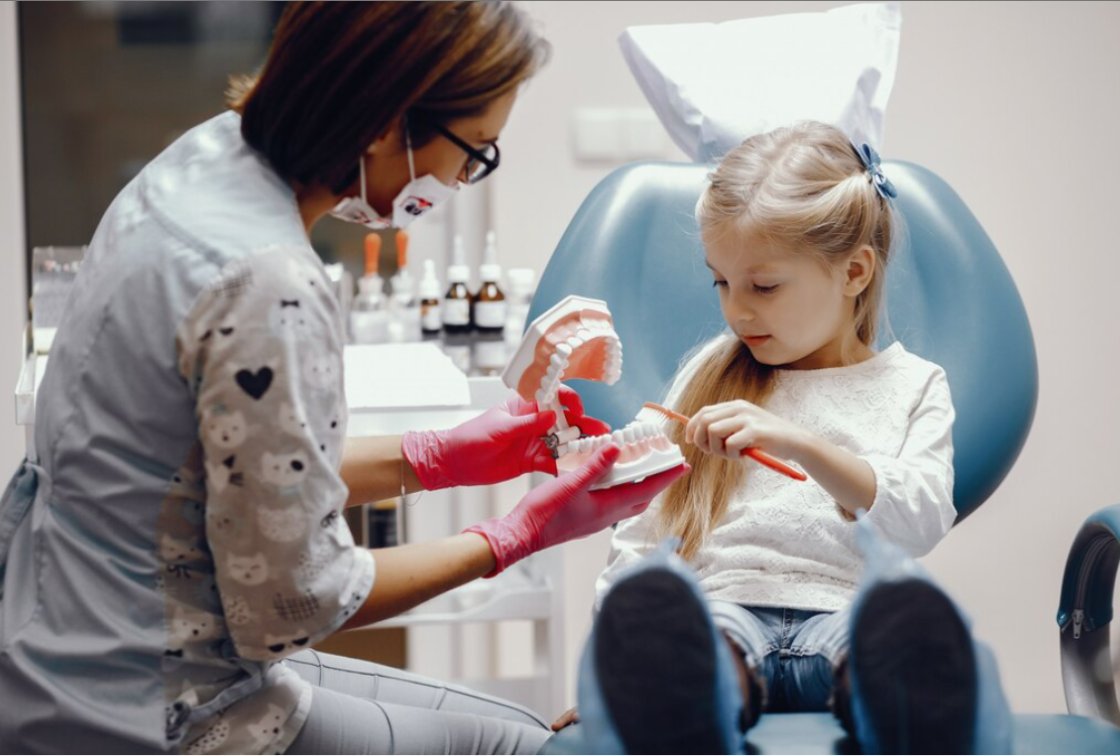
Children’s dentistry refers to the professional dental care provided to infants, children, and teenagers that addresses the unique oral health needs of young patients at each stage of their dental development, from the eruption of the first baby tooth through to the establishment of a complete permanent dentition in adolescence. It encompasses preventive treatments including fluoride applications and fissure sealants, monitoring of tooth eruption and jaw development, management of childhood tooth decay, orthodontic assessment, and the age-appropriate communication and behaviour management techniques that make dental visits positive experiences for young patients. If you want to give your child the strongest possible start in oral health and are looking for a trusted Dental Clinic in Battersea that understands how to care for young patients with genuine expertise and warmth, understanding what children’s dentistry involves is the most important first step you can take.
Children are not simply small adults in dental terms. Their teeth, jaws, and oral tissues are in a constant state of development and change, and the conditions that affect their oral health, the way those conditions progress, and the most appropriate treatment approaches all differ significantly from adult dentistry. Beyond the clinical differences, children require a dental environment and communication approach that accounts for their emotional development, their level of understanding, and their need to associate dental care with safety and reassurance rather than fear. For families seeking the highest standard of Dental Care in Battersea for their children, beginning professional dental care early and maintaining it consistently throughout childhood builds a foundation for lifelong oral health that cannot be replicated by starting late.
Why Children’s Dentistry Starts Earlier Than Most Parents Expect
One of the most common misconceptions among parents is that dental care for children can wait until a significant number of teeth have erupted, or even until the permanent teeth begin to come through. The evidence-based recommendation from dental professionals and paediatric dental organisations is that a child’s first dental visit should take place by their first birthday or within six months of the eruption of their first tooth, whichever comes first.
This early start serves several purposes that go well beyond examining the tiny number of teeth typically present at this age. The first visit introduces the child to the dental environment in the gentlest and most positive possible way, before any treatment is likely to be needed, which establishes familiarity and comfort that reduces anxiety throughout childhood. It provides the dental team with a baseline assessment of the child’s oral development and any early risk factors for decay. And it gives parents the opportunity to ask questions about feeding practices, teething, oral hygiene for infants, and the habits that most significantly influence a child’s dental health from the earliest weeks of life.
A knowledgeable Dentist in Battersea who works with young patients will always approach these early visits with patience and positivity, prioritising the child’s comfort and the parent’s confidence in equal measure.
Battersea Dental Practice is one of the best dental clinics in Battersea, providing welcoming, expert dental care for children of all ages within a practice environment that takes child wellbeing and positive dental experiences as seriously as clinical excellence. Located at 33A Queenstown Rd, London SW8 3RE, United Kingdom, the team is reachable at +44 20 7622 5322 or batterseadentalpractice@gmail.com to answer questions about children’s dental care and schedule appointments.
For parents who want detailed information about the specific children’s dental services available at a leading Battersea practice, Children’s Dentistry in Battersea at Battersea Dental Practice provides comprehensive guidance on the preventive and clinical services available for young patients and the approach taken to supporting their oral health at every developmental stage.
The Importance of Baby Teeth
Perhaps the most damaging misconception in children’s dentistry is the belief that baby teeth do not matter because they will eventually fall out and be replaced by permanent teeth. This belief leads many parents to underinvest in the oral health of their child’s primary dentition, with consequences that can affect the permanent teeth for a lifetime.
Baby teeth play several critical and irreplaceable roles in a child’s development. They are essential for effective chewing, which directly affects the child’s nutrition and overall growth. They are central to the development of clear speech, as children learn to articulate many sounds in relation to the positions of their teeth. They support the normal development of the jaw and facial structures by maintaining space in the dental arch and stimulating the surrounding bone.
Most significantly, baby teeth serve as natural space maintainers for the permanent teeth developing beneath them. When a baby tooth is lost prematurely due to decay or injury before the underlying permanent tooth is ready to erupt, the adjacent teeth drift into the gap, reducing the space available for the permanent tooth and causing the type of crowding and misalignment that requires orthodontic treatment to correct. Preventing premature baby tooth loss through consistent preventive care is one of the most important contributions a parent can make to their child’s long-term dental health and orthodontic outcome.
Core Services in Children’s Dentistry
Children’s dental care encompasses a range of services tailored to the developmental stage of the child and the specific clinical needs identified at each appointment.
Comprehensive Developmental Examinations
Regular dental examinations for children assess far more than the presence of decay. A comprehensive children’s dental examination monitors the eruption sequence and timing of baby and permanent teeth, assesses the development of the jaw and bite, screens for early signs of orthodontic concerns including crowding, crossbites, and excessive overbites, evaluates the health of the gum tissue, and screens for any soft tissue changes that warrant further attention.
These examinations are the mechanism by which developing problems are identified at their earliest and most manageable stage. Many of the conditions that lead to significant orthodontic treatment, complex restorative intervention, or early tooth loss in later childhood or adulthood can be prevented or significantly mitigated by early identification and appropriate management.
Professional Cleaning and Tartar Removal
Even in children who brush consistently, plaque accumulation and early tartar formation occur in areas that are difficult to reach with a toothbrush. Professional cleaning at regular dental visits removes this buildup, reduces the bacterial load in the mouth, and provides an opportunity for the dental team to demonstrate effective brushing technique to both the child and their parent in a way that addresses the specific areas where the child’s own technique is falling short.
Fluoride Treatments
Professional fluoride applications provided during dental visits deliver a higher concentration of fluoride to the tooth surfaces than toothpaste alone can provide. Fluoride strengthens the enamel of developing teeth, making them more resistant to acid attack from dietary sugars and bacterial acids. It can also arrest or partially reverse very early stages of enamel demineralisation before they progress to visible cavities.
Fluoride treatments are particularly important for children because their enamel continues to mature for a period after teeth erupt, leaving it more vulnerable to decay than fully mineralised adult enamel during this developmental window.
Fissure Sealants
Fissure sealants are thin protective coatings applied to the chewing surfaces of the back teeth, which have deep grooves and pits that are highly susceptible to cavity formation in children. These grooves are often too narrow for toothbrush bristles to clean effectively, making them ideal environments for the bacterial accumulation that leads to decay.
Sealants are applied painlessly in a single short appointment by flowing a liquid resin material into the grooves and curing it to create a smooth, sealed surface that bacteria cannot penetrate. They are typically applied to the first permanent molars shortly after they erupt around age six, and to the second permanent molars when they erupt around age twelve, though they can also benefit children with particularly deep fissures in any tooth.
Management of Childhood Tooth Decay
Early childhood caries is one of the most prevalent chronic diseases in children worldwide and requires prompt professional management to prevent its spread through the relatively soft enamel of baby teeth. Treatment options depend on the extent of the decay and the developmental stage of the affected tooth, ranging from preventive resin restorations and composite fillings for early lesions to stainless steel crowns for significantly damaged teeth and pulp therapy for decay that has reached the inner pulp tissue.
Pulp therapy for primary teeth, which includes pulpotomy and pulpectomy procedures, allows a badly decayed baby tooth to be retained until its natural time of replacement rather than being extracted prematurely, preserving the space-maintaining function of the tooth and avoiding the orthodontic complications of premature loss.
Space Maintainers
When a baby tooth is lost earlier than expected, a space maintainer is a simple orthodontic appliance that holds the space in the dental arch and prevents adjacent teeth from drifting into the gap. Space maintainers can be fixed or removable and are custom-made to fit the individual child’s mouth. They are removed once the permanent tooth beneath begins to erupt naturally into the preserved space.
Orthodontic Monitoring and Early Interceptive Treatment
Children’s dental appointments incorporate regular assessment of jaw development and tooth eruption patterns that can identify developing orthodontic concerns with sufficient time for early interceptive treatment that may reduce the complexity and extent of comprehensive orthodontic treatment needed later. Early interceptive approaches may include palate expanders that guide jaw development, partial braces that address specific tooth positions during the mixed dentition phase, or referral to an orthodontist for specialist evaluation.
Step-by-Step: What Happens at a Children’s Dental Appointment
Understanding the sequence of events at a children’s dental appointment helps parents prepare their child appropriately and know what to expect throughout the visit.
Step 1: A Warm and Child-Friendly Welcome Children’s dental appointments begin with a deliberately slow and positive introduction that prioritises making the child feel safe and comfortable in the environment. The dental team will speak directly to the child at an age-appropriate level, show them the instruments before using them, and use child-friendly language that replaces clinical terminology with descriptive, non-threatening alternatives.
Step 2: Health History Review With the Parent The parent or guardian provides or updates the child’s medical and dental history, including any changes to medications, medical conditions, or concerns noted since the previous visit. Any habits such as thumb sucking, dummy use, or mouth breathing that may be affecting dental development are discussed at this stage.
Step 3: Gentle Examination The dentist examines the child’s teeth, gums, and soft tissues at a pace appropriate to the child’s comfort level. For very young children, this may be conducted with the child seated in the parent’s lap to provide reassurance. X-rays are taken when clinically appropriate and indicated based on the child’s age, cavity risk, and clinical findings.
Step 4: Professional Cleaning and Fluoride Application The dental hygienist or dentist cleans the child’s teeth, removes any plaque or tartar build-up, and applies a professional fluoride treatment. The process is explained to the child at each stage using friendly, descriptive language that maintains comfort and builds trust.
Step 5: Discussion of Findings With the Parent All examination findings are explained to the parent clearly. Any concerns identified are discussed in terms of their clinical significance, the recommended management, and what the parent can do at home to support their child’s oral health before the next visit.
Step 6: Oral Hygiene Instruction Age-appropriate oral hygiene guidance is provided for both the child and the parent. The correct brushing technique for the child’s current stage of development, the appropriate amount of fluoride toothpaste, and the introduction of interdental cleaning when relevant are all covered at this stage.
Step 7: Positive Reinforcement and Next Appointment The appointment ends with genuine praise for the child’s participation and courage, reinforcing a positive association with dental visits. The next recall appointment is scheduled at the recommended interval before the family leaves.
Common Mistakes Parents Make With Their Children’s Dental Health
Understanding the most common mistakes parents make helps build a more effective approach to your child’s oral health from the earliest age.
Waiting Until a Problem Is Visible: The single most impactful mistake is waiting until visible decay or pain prompts a dental visit rather than attending regular preventive appointments from the first year of life. By the time decay is visible or a tooth is causing discomfort, it has progressed significantly and treatment is more complex than it would have been at an earlier stage.
Assuming Fruit Juice Is a Healthy Drink for Teeth: Fruit juice is widely perceived by parents as a healthy alternative to fizzy drinks, but it contains significant amounts of natural sugar and acid that cause enamel erosion and contribute substantially to childhood tooth decay. Juice should be limited to mealtimes in small quantities and water should be the primary between-meal drink throughout childhood.
Not Supervising Toothbrushing Until the Child Is Old Enough: Children develop the manual dexterity needed to brush their own teeth effectively at approximately seven to eight years of age. Before this point, parents should brush for their child or carefully supervise and assist to ensure that all tooth surfaces including the back teeth are being adequately cleaned. Many parents hand over brushing responsibility much earlier than this, leaving the back teeth incompletely cleaned.
Using Too Much Toothpaste: Children under three should use only a smear of fluoride toothpaste, and children between three and six should use only a pea-sized amount. Using more than this increases the amount of toothpaste that is inevitably swallowed, which can affect the development of the permanent teeth if fluoride intake in early childhood is excessive.
Sharing Utensils With Young Children Without Awareness: The bacteria responsible for early childhood caries, primarily Streptococcus mutans, is transmissible between individuals through saliva. Parents who share spoons, blow on food to cool it, or taste food before giving it to their baby can inadvertently transfer these bacteria to their child’s mouth. Being aware of this transmission route is a simple but meaningful preventive consideration in the first years of a child’s life.
Prevention and Maintenance Tips for Children’s Oral Health
Building a strong oral health routine for your child from the earliest possible age creates habits and patterns that protect their teeth throughout childhood and into adult life.
- Begin cleaning your baby’s mouth before teeth erupt by wiping the gums with a clean, damp cloth after feeds to reduce bacterial build-up from the very start
- Start brushing with a soft infant toothbrush and a tiny smear of fluoride toothpaste as soon as the first tooth appears
- Introduce flossing as soon as two adjacent teeth are touching and contact areas cannot be cleaned with a toothbrush
- Avoid putting anything other than water in a baby’s bedtime bottle to prevent contact with sugary liquids during sleep
- Limit sugary and acidic foods and drinks to mealtimes rather than allowing snacking throughout the day, which keeps the teeth bathed in sugar and acid for extended periods
- Make dental visits a positive and unremarkable part of the family routine by discussing them matter-of-factly and avoiding alarming language
- Ensure your child wears a well-fitted mouthguard during all contact sports and physical activities where dental injury is a risk
- Monitor the eruption timing of your child’s teeth and consult your dental provider promptly if teeth appear significantly early, late, or in unusual positions
Frequently Asked Questions
- When should my child first visit a dentist? The first dental visit should take place by the child’s first birthday or within six months of the eruption of their first tooth, whichever comes first. This early visit introduces the child to the dental environment positively, provides a clinical baseline for monitoring development, and gives parents guidance on the feeding, hygiene, and dietary practices that most influence their child’s oral health in the critical early years. Starting dental visits in infancy builds familiarity and comfort that significantly reduces the dental anxiety that commonly develops when children’s first exposure to a dental setting involves treatment for a problem.
- Are baby teeth really important if they are just going to fall out? Yes, baby teeth are critically important for chewing, speech development, jaw and facial bone development, and as natural space maintainers for the permanent teeth developing beneath them. When baby teeth are lost prematurely due to decay or injury, the adjacent teeth drift into the gap, reducing the space available for the permanent tooth and creating crowding and misalignment that typically requires orthodontic correction. Maintaining the health of baby teeth until they are naturally replaced by permanent teeth is one of the most important contributions to a child’s long-term dental health and orthodontic outcome.
- How often should children visit the dentist? Most children benefit from dental visits every six months for examination, professional cleaning, and fluoride application. Children with a higher risk of decay, including those with a history of previous cavities, a diet high in sugary foods, or specific medical conditions, may benefit from more frequent visits every three to four months. Your dental provider will recommend the visit frequency most appropriate for your child’s individual risk level and developmental stage.
- What is the best way to help a child who is anxious about the dentist? Preparing a child for a dental visit by explaining what will happen in simple, positive terms before the appointment helps reduce fear of the unknown. Choosing a dental practice with a welcoming, child-friendly environment and a team experienced in working with anxious children is important. Communicating the child’s anxiety to the dental team before the appointment allows them to tailor their approach from the first moment. Keeping your own demeanour calm and positive during the visit is significant because children are highly attuned to the emotional state of their parents. Praising and rewarding the child genuinely after a successful visit reinforces the experience as something to feel proud of.
- When should I be concerned about my child’s teeth not coming through on time? Most baby teeth erupt within a reasonably predictable window, though there is natural variation between children. Generally, a dental assessment is warranted if your child has no teeth at all by twelve months, if a significant gap exists between the eruption timing of teeth on one side of the mouth compared to the same position on the other side, or if permanent teeth appear to be erupting without the corresponding baby teeth having fallen out. Early or delayed eruption can sometimes indicate developmental concerns that benefit from early professional assessment and monitoring.
Conclusion
Children’s dentistry explained clearly reveals that professional dental care from the very first tooth is one of the most important investments a parent can make in their child’s lifelong health, catching problems early, building positive dental habits, and protecting the primary teeth that guide the permanent dentition into the correct positions for a lifetime. Starting dental visits early, maintaining consistent six-monthly appointments, and supporting excellent daily oral hygiene at home are the three pillars of a children’s dental health strategy that pays dividends from childhood through adulthood. Battersea Dental Practice, located at 33A Queenstown Rd, London SW8 3RE, United Kingdom, is one of the most trusted dental clinics in Battersea, providing warm, expert, and genuinely child-friendly dental care to families across the community. To register your child or book an appointment, contact the team at batterseadentalpractice@gmail.com or call +44 20 7622 5322.