
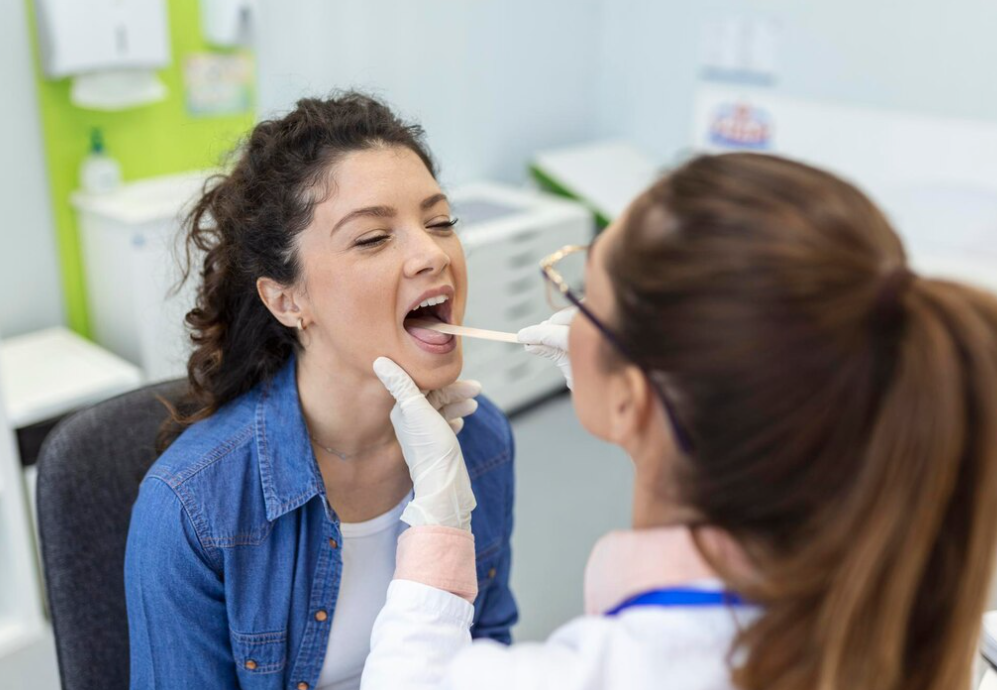
When a dental emergency strikes outside of regular office hours, knowing where to go and what to do makes a real difference to both the outcome and the level of distress involved. A 24-hour emergency dentist in Battersea provides access to urgent dental care at any hour, ensuring that severe toothache, dental trauma, a knocked-out tooth, or a spreading dental infection can be assessed and treated promptly rather than left to worsen overnight or over a weekend. Battersea Dental Practice is one of the best dental clinics in Battersea for providing timely, professional emergency dental care. Patients looking for an experienced Dental Clinic in Battersea that can respond to urgent situations will find a skilled and compassionate team at Battersea Dental Practice.
Dental emergencies can be frightening, particularly when they occur at night, over a bank holiday, or when you are away from home and unfamiliar with the local area. Understanding what constitutes a genuine dental emergency, what immediate first aid steps you can take before reaching a dentist, and how to access care quickly removes some of the uncertainty from what is already a stressful situation. Battersea Dental Practice at 33A Queenstown Rd, London SW8 3RE, provides comprehensive dental services, including emergency care for patients who need urgent assistance. Patients can reach the team at batterseadentalpractice@gmail.com or +44 20 7622 5322 to discuss their situation and arrange prompt care. The practice website provides full details about the Dental Care in Battersea services available to both new and existing patients.
What Counts as a Dental Emergency?
Not every dental problem requires immediate after-hours care, but certain situations should not wait until the next available routine appointment. The following always warrant prompt emergency contact with a dental professional.
Severe Toothache
A toothache that is constant, severe, and wakes you from sleep is not something to manage with pain relief and wait out. This level of pain usually indicates advanced decay that has reached the pulp, a cracked tooth with nerve involvement, or an abscess forming at the root tip. Leaving a pulp infection untreated allows the bacterial infection to spread into the jaw, neck, and potentially beyond. Same-day or same-night assessment is appropriate.
Knocked-Out Tooth
A tooth that has been completely knocked out of the socket, called an avulsion, is one of the true dental emergencies where time measured in minutes directly determines whether the tooth can be successfully re-implanted. For a permanent tooth, re-implantation has the best chance of success when performed within 30 minutes of the injury. Handle the tooth by the crown only, not the root. If it is clean, try gently reinserting it into the socket and biting on a cloth to hold it. If you cannot do this, store it in milk or the patient’s own saliva and go directly to the dental clinic. Do not re-implant a baby tooth.
Chipped or Fractured Tooth
A small chip without pain or sensitivity can often wait for the next available appointment, but a tooth that has fractured significantly, particularly one with exposed inner tooth structure causing sharp sensitivity to air and temperature, should be assessed promptly. Depending on how deep the fracture extends, treatment may involve bonding, a crown, or root canal treatment. A temporary dressing can protect the exposed dentine until the appointment if it is not possible to be seen immediately.
Lost Filling or Crown
A lost filling or crown exposes the prepared tooth structure underneath to temperature, pressure, and bacterial attack. While not usually a medical emergency, a large lost filling that causes sensitivity or a crown that has come off a tooth that has had root canal treatment should be seen within a day or two rather than left indefinitely. Dental cement available from pharmacies can provide temporary protection while waiting for the dental appointment.
Dental Abscess
A dental abscess is an infection that has spread beyond the tooth into the surrounding bone and soft tissue. Signs include severe, throbbing pain, visible swelling of the face or gum, a raised bump on the gum near the affected tooth, fever, and a bad taste in the mouth from pus draining. Facial swelling that is spreading rapidly, difficulty swallowing, difficulty breathing, or a temperature above 38 degrees Celsius are signs of a spreading infection that requires hospital emergency care rather than a dental appointment alone.
Broken orthodontic wires that are causing injury to the cheek or tongue, a partial denture or bridge that has broken and is sharp enough to lacerate tissue, and significant bleeding from a dental extraction site that does not respond to pressure are further situations where emergency dental contact is appropriate. For patients in the SW8 area, reaching the emergency dental team quickly is the most important step in any of these situations. Battersea Dental Practice is experienced in triaging emergency presentations and providing the most appropriate and efficient clinical response. Patients who need to reach a Dentist in Battersea for an urgent assessment will receive prompt, professional guidance from the Battersea Dental Practice team.
Immediate First Aid for Common Dental Emergencies
While waiting to be seen, the following first aid measures reduce discomfort and protect the affected area.
For severe toothache: Take over-the-counter ibuprofen or paracetamol at the recommended dosage. Do not place aspirin directly on the gum tissue, as this causes a chemical burn to the soft tissue without providing meaningful pain relief. A clove oil-soaked cotton ball placed gently near the tooth can provide temporary relief of minor discomfort.
For a knocked-out tooth: As described above, storage in milk or saliva and immediate dental attendance are the priorities. Do not scrub the root. Do not wrap it in tissue. Keep it moist and move quickly.
For a dental abscess: Take over-the-counter pain relief and contact the dental team immediately. Do not delay over concerns about the hour or the day. Rinse gently with warm salt water to help draw the infection toward the surface. Do not apply heat to the affected area, as this can encourage the infection to spread.
For a chipped tooth: Rinse the mouth with warm water and apply gentle pressure with clean gauze if any bleeding is present from the gum. Save any large fragments of the tooth if possible, as they can sometimes be bonded back.
Preventing Dental Emergencies
Many dental emergencies are the downstream result of untreated dental disease that has been allowed to progress over time. A cavity that was present 12 months ago as a small, easily filled lesion becomes an abscess presenting at midnight. A tooth with a large, old filling that cracked six months ago becomes the fractured tooth requiring emergency extraction. Regular dental check-ups are the most reliable prevention for the types of dental emergencies that arise from neglected disease.
Wearing a custom-fitted mouthguard during contact sports prevents a significant proportion of dental trauma injuries, including avulsions and crown fractures. Custom mouthguards made by a dental team provide far superior protection to over-the-counter options because they are fabricated from an exact model of the patient’s own teeth. For any patient who plays sports, the dental team can provide a mouthguard that fits precisely and does not restrict breathing or speech. A healthy, well-maintained oral environment in which teeth are structurally sound and gum disease is controlled is also far more resilient to dental emergencies than a mouth with multiple compromised teeth and active infection. Battersea Dental Practice provides comprehensive preventive care alongside its emergency services, and the team actively works with patients to reduce the conditions that lead to dental crises. More information about the practice and the full scope of services available can be found at Battersea Dental Practice.
For patients who want to understand exactly what emergency dental services are available and what to expect from an emergency appointment at Battersea Dental Practice, detailed information is available at Dental Emergency in Battersea on the practice website.
Frequently Asked Questions
What should I do if I have a dental emergency in the middle of the night?
Contact Battersea Dental Practice at +44 20 7622 5322 or batterseadentalpractice@gmail.com. Many dental practices provide out-of-hours guidance by phone and can arrange emergency appointments. If the situation involves significant facial swelling, difficulty breathing or swallowing, or uncontrolled bleeding, attend the nearest hospital emergency department without delay.
Is a broken tooth always a dental emergency?
A very small chip that causes no pain or sensitivity can typically wait for the next available appointment. A tooth that has fractured significantly with exposed inner structure, causing pain, sensitivity, or sharp edges that injure the soft tissue, should be seen promptly. The dental team can assess the extent of the fracture and determine the appropriate treatment, which may range from simple bonding to root canal treatment, depending on how deep the fracture extends.
Can I go to A and E for a dental emergency?
Hospital accident and emergency departments can provide limited assistance for dental emergencies, primarily antibiotics for dental infections and pain management. They are not equipped to perform dental procedures such as fillings, extractions, or root canal treatment. For any dental emergency that is not life-threatening, contacting a dental practice directly is the most efficient route to the treatment you actually need.
How much will emergency dental treatment cost?
The cost of emergency dental treatment depends on the nature of the problem and the procedure required to address it. Battersea Dental Practice will always discuss fees transparently with patients before proceeding with any treatment so there are no unexpected costs. Patients with existing dental insurance should check whether emergency dental care is covered under their policy.
What can I do to prevent dental emergencies?
Attending regular check-ups and professional cleanings at Battersea Dental Practice is the single most reliable prevention strategy. Problems identified and treated early do not become emergencies. Wearing a custom mouthguard for contact sports prevents dental trauma. Not using teeth as tools to open packaging or bottles protects them from cracking. Addressing dental pain or sensitivity promptly rather than waiting prevents disease from advancing to the crisis stage.
Conclusion
Knowing where to turn when a dental emergency happens makes a genuinely significant difference to both the clinical outcome and the experience for the patient. Battersea Dental Practice in London SW8 provides professional, prompt emergency dental care and the preventive support needed to reduce the likelihood of emergencies occurring in the first place.