
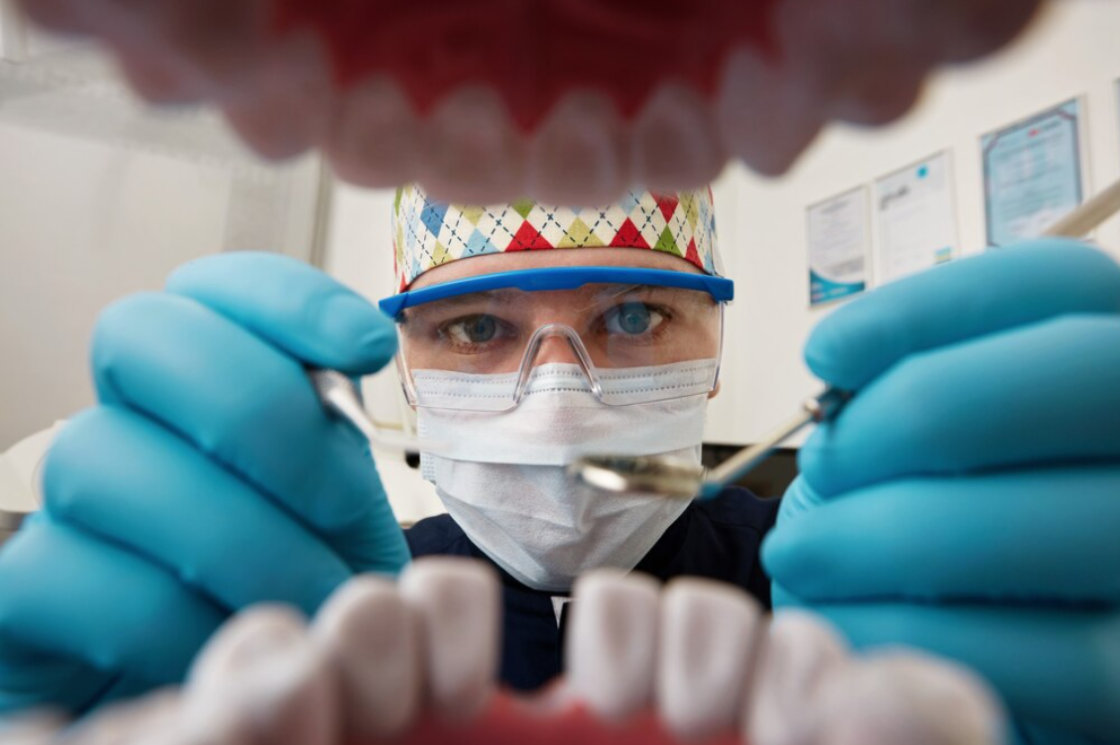
Dental implants in Battersea provide a permanent, natural-looking solution for replacing missing teeth by anchoring a titanium post directly into the jawbone, which then fuses with the bone to support a custom-made crown, bridge, or denture. Unlike removable options, implants restore full chewing function, preserve facial structure, and can last decades with proper care. If you are considering this life-changing treatment, a consultation with a leading Dental Clinic in Battersea is the most effective first step toward understanding your options and achieving a complete smile.
Missing teeth are not just a cosmetic concern. Even a single gap can cause neighbouring teeth to shift, lead to bone loss in the jaw, and make it harder to chew and speak clearly. A dental implant addresses the root of the problem by replacing the entire tooth structure from root to crown, providing a stability that no removable appliance can match. Battersea Dental Practice has built a strong reputation for delivering precise, patient-centred implant care, and you can learn more about their approach by visiting Dental Care in Battersea.
Many people in London search for a reliable Dentist in Battersea who can handle both the surgical and restorative phases of implant treatment under one roof. A single coordinated team simplifies the process, reduces the number of appointments, and ensures every stage of the implant journey is consistent and well-managed. When you choose a clinic that offers comprehensive care, you receive a treatment plan designed from start to finish with your long-term oral health in mind.
Among the top-rated providers in the area, Battersea Dental Practice is recognised as one of the best dental clinics in Battersea. Their experienced team uses advanced 3D imaging and digital planning to place implants with exceptional accuracy. For a detailed look at the implant process, from initial assessment to final restoration, the dedicated Dental Implants in Battersea page explains each step and the technology involved.
What Are Dental Implants?
A dental implant is a small titanium screw that is surgically placed into the jawbone at the site of a missing tooth. Over a period of several months, the bone grows tightly around the implant in a process called osseointegration. This creates a rock-solid foundation that can support a single crown, a bridge replacing multiple teeth, or even a full arch of fixed teeth.
The implant itself is only the root replacement. Once healing is complete, an abutment is attached to the implant post, and a custom-made ceramic or porcelain crown is secured on top. The result looks, feels, and functions like a natural tooth. Unlike a dental bridge, an implant does not rely on adjacent teeth for support, so healthy neighbouring teeth remain untouched.
Why Choose Dental Implants in Battersea?
Patients in Battersea have access to some of London’s most experienced implant dentists and the latest digital technology. Treatment is planned with cone beam CT scans that create a 3D model of your jaw, allowing the dentist to determine the exact ideal position for every implant before any surgery begins. This precision reduces risk, shortens healing time, and produces consistently excellent aesthetic results.
Key benefits of dental implants include:
-
Permanent, fixed replacement that does not move or slip
-
Restored ability to eat all foods without restriction
-
Prevention of jawbone shrinkage that occurs after tooth loss
-
No damage to neighbouring healthy teeth, unlike a bridge
-
Natural appearance that blends seamlessly with your smile
-
Long lifespan of twenty years or more with proper maintenance
When compared to dentures, implants eliminate the need for adhesives and the discomfort of a loose appliance. When compared to bridges, they preserve the integrity of the surrounding teeth and maintain the bone beneath the gap. For many patients, the implant represents the closest thing to regrowing a natural tooth.
Signs You Might Need a Dental Implant
You may be a candidate for a dental implant if any of the following apply:
-
You have a single missing tooth and healthy teeth on either side that you do not want to alter for a bridge.
-
You have multiple missing teeth and want a fixed solution rather than a removable partial denture.
-
Your denture feels loose and uncomfortable, and you would prefer a permanently anchored alternative.
-
You have noticed facial sagging or a sunken appearance due to bone loss from missing teeth.
-
You have a failing tooth that cannot be saved with a root canal or crown, and extraction followed by immediate implant placement is recommended.
-
You are committed to maintaining excellent oral hygiene and attending regular dental check-ups.
A thorough evaluation is essential to determine your bone volume and density, as well as your overall oral health. If you have been living with a gap for some time, there is a significant chance that bone loss has already occurred. In such cases, a bone graft may be needed before an implant can be placed, which the dentist will explain during the planning stage.
The Step-by-Step Dental Implant Process
Understanding the implant journey helps reduce anxiety and sets realistic expectations. The process typically involves several appointments spread over a few months to allow for healing between stages.
Step 1: Comprehensive Assessment and 3D Scanning
Your dentist performs a full examination, reviews your medical history, and takes a 3D scan of your jaw. This scan reveals the exact position of nerves, sinuses, and available bone. A personalised treatment plan is created, and you have the opportunity to ask any questions before committing to the procedure.
Step 2: Preparatory Procedures (If Needed)
If the bone at the implant site is insufficient, a bone graft is performed to rebuild the area. In some cases, a sinus lift is necessary for upper back teeth where the sinus cavity sits close to the jaw. These procedures add a few months to the overall timeline but create a stable foundation for long-term implant success.
Step 3: Implant Placement Surgery
The titanium implant is placed into the jawbone under local anaesthetic. The procedure is virtually pain-free during the surgery itself, although some mild swelling and tenderness are normal for a few days afterwards. A temporary tooth may be provided to wear during the healing phase.
Step 4: Osseointegration (Healing Period)
Over the next three to six months, the bone fuses with the implant surface. This is the most important phase of the process, as it determines the long-term stability of the implant. You will be able to eat a soft diet and maintain normal oral hygiene during this time.
Step 5: Abutment and Crown Placement
Once integration is confirmed, a small connector called an abutment is attached to the implant. Digital impressions are taken to fabricate your custom crown, which is then cemented or screwed into place. The crown is colour-matched to your adjacent teeth for a completely natural result.
Step 6: Follow-Up and Maintenance
After the final restoration, you attend a follow-up appointment to check the fit, bite, and gum health. Regular dental check-ups and hygiene appointments are essential to monitor the implant and surrounding teeth over the years.
Professional Advice on Getting the Best Outcome
Choosing the right provider is the single most important decision you will make in the implant process. A well-planned and accurately placed implant has a success rate of over 95 percent, while a poorly positioned implant can lead to complications such as nerve damage, infection, or implant failure.
Battersea Dental Practice, located at 33A Queenstown Rd, London SW8 3RE, combines advanced digital planning with meticulous surgical technique. The team guides each patient through the entire process, from the initial scan to the final crown, ensuring that every detail is handled with care. You can reach the clinic at +44 20 7622 5322 or by emailing batterseadentalpractice@gmail.com to book a consultation.
When you meet your implant dentist, ask these questions:
-
How many implants have you placed, and what is your personal success rate?
-
Do you use 3D planning and guided surgery for precise placement?
-
What sedation options are available if I am anxious?
-
What is included in the treatment plan fee, and what aftercare is provided?
A transparent practice will welcome these questions and give you clear, straightforward answers.
Real Example: Replacing a Single Lower Molar
A typical patient arrives with a lower first molar that was extracted several years ago. Since then, the neighbouring teeth have begun to tilt into the space, and the patient finds it difficult to chew on that side. A 3D scan shows adequate bone height and width. The dentist places a single implant, allows four months for healing, and then fits a ceramic crown. After a few days of adjustment, the patient reports that chewing feels entirely natural again. Regular check-ups show no bone loss around the implant five years later.
This straightforward case represents the majority of implant treatments. The key is addressing the missing tooth before significant bone loss occurs, which is why early consultation is so strongly recommended.
Common Patient Mistakes to Avoid
Avoiding these frequent errors improves your chances of a smooth implant experience and long-term success:
-
Waiting too long to replace a missing tooth, which leads to bone loss that complicates implant placement later.
-
Assuming that age alone disqualifies you from implant treatment. Healthy adults of almost any age can receive implants if their bone and general health are adequate.
-
Not disclosing full medical history, including medications such as bisphosphonates or blood thinners, which can affect healing.
-
Returning to smoking after implant placement, which significantly increases the risk of implant failure.
-
Neglecting oral hygiene around the implant, assuming it does not need the same care as a natural tooth.
-
Choosing a provider based on the lowest cost rather than experience and technology, which can lead to complications that are ultimately more expensive to correct.
Safety Warnings and Important Considerations
Dental implants are a surgical procedure, and while complications are rare when the procedure is performed correctly, it is important to understand the risks. These include infection at the implant site, damage to surrounding structures such as nerves or sinuses, and implant failure due to poor bone integration. Choosing a dentist who uses 3D imaging and guided implant placement dramatically reduces these risks.
Smoking is one of the strongest risk factors for implant failure. Nicotine constricts blood vessels and impairs healing. Most implant dentists will strongly advise quitting or at least pausing smoking for several weeks before and after surgery.
If you develop any signs of infection after the procedure, such as worsening pain, swelling, or pus, contact your clinic immediately. Early intervention can save an implant that might otherwise be lost.
Prevention and Maintenance for Long-Lasting Implants
An implant itself cannot decay, but the gum and bone that support it are vulnerable to infection, a condition called peri-implantitis. Just like natural teeth, implants require consistent daily care and professional monitoring.
Key maintenance habits include:
-
Brushing twice daily and flossing around the implant with a floss threader or interdental brush.
-
Using an antimicrobial mouthwash if recommended by your dentist.
-
Attending professional hygiene appointments at least twice a year for a thorough cleaning of the implant surface and gum tissue.
-
Avoiding using your implant tooth to open packages, bite nails, or chew hard items like ice.
-
Wearing a night guard if you grind your teeth, to protect the implant crown and abutment from excessive force.
With these habits in place, a dental implant can last decades and provide a quality of life that removable alternatives cannot match.
Frequently Asked Questions
Q1: Is the implant placement procedure painful?
The surgery is performed under local anaesthetic, so you should not feel pain during the procedure itself. Some tenderness, swelling, and mild discomfort are normal for a few days afterwards and are well managed with standard over-the-counter pain relief. Most patients describe the experience as far easier than they expected.
Q2: How long does the entire implant process take?
The full timeline from initial consultation to final crown placement typically ranges from four to nine months, depending on whether bone grafting or other preparatory procedures are required. The longest phase is osseointegration, during which the bone heals around the implant. Some clinics offer same-day temporary teeth for front teeth where aesthetics are a priority.
Q3: Can I get an implant if I have been missing the tooth for many years?
Yes, but bone loss may have occurred in the area if the tooth has been missing for a long time. Your dentist will assess your bone volume with a 3D scan. If there is insufficient bone, a graft can rebuild the site before implant placement. It is never too late to explore the option, but earlier treatment generally means a simpler procedure.
Q4: What is the difference between a dental implant and a bridge?
An implant replaces the entire tooth from root to crown and stands independently. A bridge relies on the adjacent teeth for support and requires those teeth to be reshaped to hold the crowns on either side. Implants preserve the jawbone, do not affect neighbouring teeth, and typically last longer than bridges, though they have a longer treatment timeline.
Q5: How do I care for my implant long term?
Care for your implant exactly as you would a natural tooth, with daily brushing, flossing around the implant, and regular dental check-ups. Pay special attention to cleaning the gumline around the implant to prevent peri-implantitis. Your dentist will recommend specific hygiene tools and a maintenance schedule tailored to your needs.
Conclusion
Dental implants in Battersea offer a permanent, natural-feeling solution for missing teeth that protects your jawbone and restores full function to your smile. The process is precise, well-established, and, when performed by an experienced team, highly predictable. Investing in a dental implant is investing in lasting oral health, comfort, and the confidence that comes with a complete smile.