
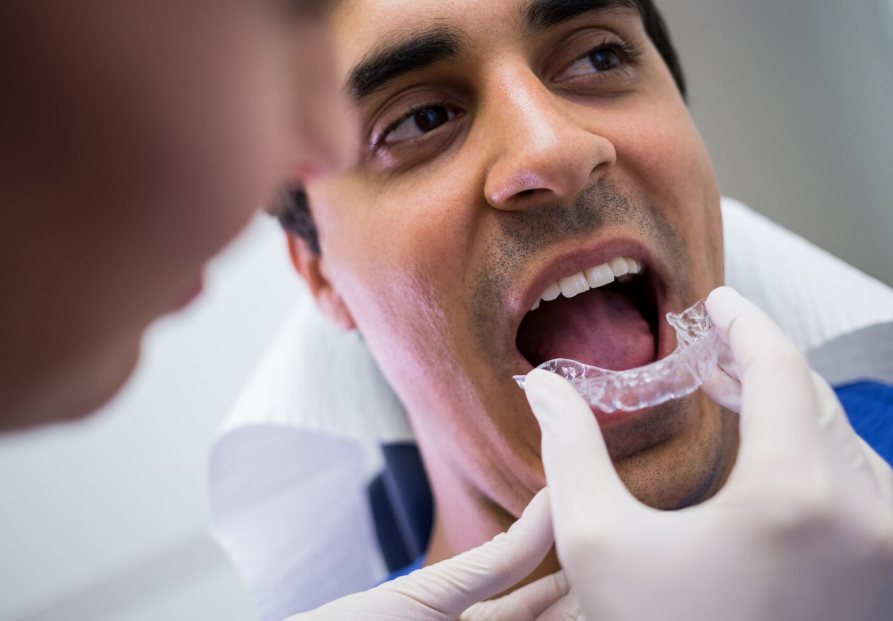
The best Invisalign provider in Battersea is a dental practice that combines extensive experience with clear aligner therapy, advanced digital scanning technology, and a commitment to personalized treatment planning that delivers predictable, beautiful results. Finding the right provider means choosing a practice where patient care and clinical excellence are the highest priorities. Residents seeking straighter smiles often begin their journey at a trusted Dental Clinic in Battersea that has demonstrated consistent success with Invisalign cases.
Invisalign has transformed orthodontic treatment by offering a nearly invisible, comfortable, and convenient alternative to traditional metal braces. The system uses a series of custom made, clear plastic aligners that gradually shift teeth into their desired positions. Each set of aligners is worn for approximately one to two weeks before progressing to the next set in the series.
The success of Invisalign treatment depends significantly on the skill and experience of the provider. While many dental practices offer Invisalign, not all possess the same level of expertise. An experienced provider understands the biomechanics of tooth movement, anticipates potential challenges, and designs treatment plans that achieve optimal outcomes efficiently.
For those seeking comprehensive Dental Care in Battersea, selecting a practice that prioritizes continuing education and stays current with the latest advancements in clear aligner therapy is essential.
What Makes an Exceptional Invisalign Provider
Several factors distinguish an outstanding Invisalign provider from an average one. Understanding these distinctions helps patients make informed decisions about where to pursue treatment.
Experience matters tremendously in clear aligner therapy. Providers who have successfully treated a high volume of cases have encountered a wide range of clinical situations. This breadth of experience translates into the ability to handle complex tooth movements and troubleshoot any issues that arise during treatment.
Digital technology plays a central role in modern Invisalign treatment. The best providers utilize intraoral scanners that capture precise three-dimensional images of the teeth and gums. These digital impressions are more accurate and far more comfortable than traditional putty-based molds. The scanner creates a detailed virtual model that serves as the foundation for treatment planning.
A skilled Dentist in Battersea does not simply accept the computer-generated treatment plan proposed by Invisalign’s software. Instead, they carefully review and modify the plan based on their clinical judgment and understanding of each patient’s unique anatomy and goals. This customization is where provider expertise truly shines.
Comprehensive patient support throughout the treatment journey is another hallmark of an excellent provider. From the initial consultation through the final retainer phase, patients should feel informed, supported, and confident in their care.
Understanding the Invisalign Treatment Process
Knowing what to expect at each stage of Invisalign treatment helps patients feel prepared and engaged in their own smile transformation. The process is methodical and designed for predictability.
Initial Consultation and Assessment
The journey begins with a thorough consultation. During this visit, the provider examines your teeth, discusses your goals, and determines whether Invisalign is the most appropriate treatment option for your specific situation.
Digital photographs and a panoramic X-ray may be taken to assess the health of the teeth and supporting bone. The provider will discuss any existing dental issues that should be addressed before beginning orthodontic treatment, such as cavities or gum disease.
A key component of the initial assessment is the digital scan. Using an intraoral scanner, the provider captures thousands of images that are stitched together to create a precise three-dimensional model of your mouth. This scan is quick, comfortable, and eliminates the need for messy impression materials.
Treatment Planning and ClinCheck Preview
Once the digital scan is complete, the provider uses specialized software to plan every movement of every tooth throughout the course of treatment. This detailed planning phase is critical for achieving optimal results.
Patients receive a ClinCheck preview, which is a virtual simulation showing the projected movement of their teeth from the current position to the final desired outcome. This preview allows patients to visualize their future smile and provides an opportunity to discuss any adjustments to the treatment plan.
The number of aligners required varies based on the complexity of the case. Simple cases may be completed in as few as twelve to eighteen aligners, while more complex tooth movements may require twenty-four aligners or more.
At Battersea Dental Practice, patients receive detailed explanations of their treatment plans and have all their questions answered before proceeding.
Receiving Your Aligners and Beginning Treatment
When the custom aligners arrive from the Invisalign laboratory, patients return to the practice to begin active treatment. The provider fits the first set of aligners and confirms that they seat properly and comfortably.
Small, tooth colored attachments may be bonded to certain teeth. These tiny bumps of composite resin provide grip points that help the aligners apply precise forces to achieve specific tooth movements. Not every tooth requires an attachment, and they are barely noticeable once in place.
Patients receive detailed instructions on wearing and caring for their aligners. Aligners should be worn for twenty to twenty-two hours per day, removing them only for eating, drinking anything other than water, and oral hygiene. Compliance with wear time is the single most important factor in staying on schedule.
Progress Monitoring and Aligner Changes
Invisalign treatment typically involves changing to a new set of aligners every one to two weeks. Each new aligner feels slightly different as it applies gentle pressure to move teeth incrementally toward their final positions.
Progress appointments are scheduled approximately every six to eight weeks. These visits allow the provider to monitor tooth movement, confirm that treatment is proceeding as planned, and distribute the next several sets of aligners.
One of the advantages of Invisalign over traditional braces is fewer in-person appointments. Because there are no wires to tighten or brackets to adjust, patients spend less time in the dental chair while still achieving excellent results.
Signs That Indicate You May Benefit from Invisalign
Many adults and teenagers wonder whether Invisalign is appropriate for their specific dental concerns. While a professional evaluation is necessary for definitive determination, certain signs suggest that clear aligner therapy may be beneficial.
Crowded or overlapping teeth make thorough cleaning difficult and create areas where plaque accumulates. Invisalign can create space and properly align teeth, improving both aesthetics and oral hygiene.
Gaps between teeth, whether from natural spacing or shifting after tooth loss, can be closed effectively with Invisalign. The aligners apply controlled forces to bring teeth together and create a more uniform smile.
Mild to moderate bite issues, including overbite, underbite, crossbite, and open bite, often respond well to Invisalign treatment. The provider will assess whether clear aligners can adequately address your specific bite relationship.
Teeth that have shifted following previous orthodontic treatment are common among adults who did not wear retainers consistently. Invisalign can often correct this relapse and restore a straighter smile relatively quickly.
For those seeking the Best Invisalign Provider in Battersea, a thorough evaluation determines candidacy and establishes realistic expectations for treatment outcomes.
The Importance of Provider Experience and Credentials
Not all Invisalign providers have the same level of training or experience. Invisalign designates providers based on the volume of cases they treat annually and their demonstrated expertise with the system.
Providers who achieve higher designation status have completed extensive additional training and have successfully treated a significant number of Invisalign cases. This experience translates into more efficient treatment planning and better outcomes for patients.
When selecting a provider, consider asking about their experience with cases similar to yours. A provider who regularly treats complex malocclusions with Invisalign is better equipped to handle challenging tooth movements than one who primarily treats simple crowding.
Battersea Dental Practice is recognized as one of the best dental clinics in Battersea, providing high-quality Invisalign treatment in a caring and professional environment.
Email: batterseadentalpractice@gmail.com
Address: 33A Queenstown Rd, London SW8 3RE, United Kingdom
Telephone: +44 20 7622 5322
Real Examples of Invisalign Transformations
Understanding what Invisalign can achieve is easier when considering common scenarios that patients present with and how treatment addresses them.
A professional in their thirties may have always been self-conscious about crowded lower front teeth but never pursued braces due to concerns about appearance. Invisalign aligners are virtually invisible, allowing this patient to straighten their teeth without drawing attention to ongoing orthodontic treatment.
A recent university graduate may have worn braces as a teenager but stopped wearing retainers, resulting in the gradual shifting of the front teeth. A short course of Invisalign can often correct this relapse and restore the smile they remember.
A parent may notice that their teenager’s teeth are becoming increasingly crowded as the last permanent teeth erupt. Invisalign Teen is specifically designed for younger patients, with features like compliance indicators and eruption tabs that accommodate growing mouths.
Common Patient Mistakes During Invisalign Treatment
Awareness of common pitfalls helps patients avoid setbacks and stay on track toward their smile goals.
The most frequent mistake is insufficient wear time. Aligners must be worn for twenty to twenty two hours daily to achieve predictable tooth movement. Patients who remove aligners frequently or for extended periods may find that teeth stop tracking properly, requiring refinements or extending treatment duration.
Eating or drinking anything other than water while wearing aligners can trap sugars and acids against teeth, dramatically increasing cavity risk. Aligners should always be removed for meals and snacks, and teeth should be cleaned before reinserting aligners.
Neglecting oral hygiene during treatment is another common error. Because aligners create a sealed environment over teeth, any plaque or food debris left behind can lead to decay and gum inflammation. Diligent brushing and flossing are essential.
Losing or damaging aligners disrupts treatment. Patients should store aligners in their protective case whenever they are not being worn. Wrapping aligners in a napkin during a meal is a recipe for accidentally throwing them away.
Safety Considerations and Professional Oversight
Invisalign is a safe and well established orthodontic treatment when supervised by a qualified dental professional. However, certain safety considerations warrant attention.
Treatment should only be undertaken after a comprehensive examination confirms that teeth and supporting structures are healthy. Active decay, gum disease, or other oral health issues should be addressed before beginning orthodontic treatment.
Patients who attempt to straighten their own teeth using mail order aligners without professional supervision expose themselves to significant risks. Without proper monitoring, tooth movement can damage roots, worsen bite problems, and even lead to tooth loss. Professional oversight is essential for safe, predictable results.
Pregnant patients or those with certain medical conditions should discuss their plans with both their dental provider and physician before beginning Invisalign treatment. In most cases, treatment can proceed safely with appropriate precautions.
Life with Invisalign: Practical Tips for Success
Adapting to life with aligners becomes second nature within a few weeks. These practical tips help new patients navigate the adjustment period smoothly.
Establish a routine for aligner care. Clean aligners gently each morning and evening using a soft toothbrush and clear, fragrance free liquid soap. Avoid toothpaste, which can scratch the aligner surface and create a cloudy appearance.
Create a travel kit containing a case, a travel sized toothbrush and toothpaste, and floss. Having these supplies readily available makes it easier to maintain oral hygiene when away from home.
Use the first few days of a new aligner set to your advantage. The aligners feel tightest during this period, indicating active tooth movement. Changing to a new set before bed allows the initial adjustment to occur while sleeping.
Stay hydrated. Aligners can contribute to dry mouth, so drinking plenty of water throughout the day promotes comfort and oral health.
Retention and Maintaining Your Results
The active phase of Invisalign treatment is followed by a retention phase that is equally important for long term success. Teeth have a natural tendency to shift back toward their original positions, a phenomenon called relapse.
Retainers are custom made appliances that hold teeth in their new positions while the supporting bone and ligaments stabilize. Initially, retainers are worn full time, similar to aligners. Over time, wear is typically reduced to nighttime only.
Consistent retainer wear is non negotiable for preserving your investment in a straighter smile. Patients who neglect their retainers often find that teeth gradually drift, undoing the results achieved through months of treatment.
Retainers should be replaced periodically as they wear out. The lifespan of a retainer varies based on individual factors such as grinding habits and care practices. Your provider will advise when replacement is appropriate.
Frequently Asked Questions
1. How long does Invisalign treatment typically take?
Treatment duration varies based on the complexity of the case. Simple corrections may be completed in as few as six months. Moderate cases often require twelve to eighteen months. More complex tooth movements may take twenty four months or longer. Your provider will give you a personalized estimate during the consultation.
2. Will Invisalign affect my speech?
Most patients experience a brief adjustment period during which they notice a slight lisp. This typically resolves within a few days as the tongue adapts to the presence of the aligners. Practicing speaking aloud, reading a book out loud, or singing along to music can accelerate this adaptation.
3. Can I whiten my teeth during Invisalign treatment?
Yes, many patients choose to whiten their teeth during Invisalign treatment. The aligners can actually be used as custom whitening trays, holding whitening gel against the teeth. Discuss this option with your provider to determine appropriate timing and products.
4. What happens if I lose an aligner?
Contact your provider immediately if an aligner is lost or damaged. In most cases, you will be advised to either move to the next aligner in the series if you are near the scheduled change date or wear the previous aligner while a replacement is fabricated. Prompt communication prevents treatment delays.
5. Will I need attachments on my teeth?
Many Invisalign cases involve attachments, small tooth colored bumps bonded to certain teeth. Attachments provide grip points that help the aligners achieve specific tooth movements. They are barely noticeable and are removed at the completion of treatment.
Conclusion
Choosing the best Invisalign provider in Battersea involves finding a practice that combines clinical experience, advanced technology, and genuine patient centered care. Battersea Dental Practice offers comprehensive Invisalign treatment in a welcoming environment. With proper planning and commitment, patients can achieve the straight, confident smiles they have always wanted.