
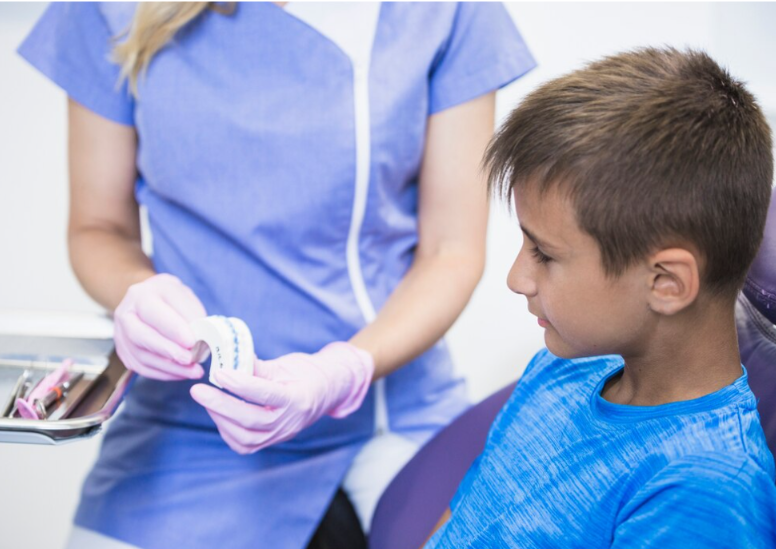
A kids dentist near you in Battersea is a qualified dental professional who specialises in examining, treating, and protecting the oral health of babies, toddlers, children, and teenagers in a child-friendly and reassuring environment. If you are a parent searching for reliable children’s dental care in the SW8 area and surrounding neighbourhoods, the good news is that Battersea has access to excellent paediatric dental services that cater specifically to the needs of younger patients. Finding the right practice early makes an enormous difference to how your child feels about dental visits for the rest of their life.
Many parents underestimate how early children should begin seeing a dentist. The general recommendation from dental professionals is that a child’s first appointment should take place by the time their first tooth appears, or by their first birthday at the latest, whichever comes sooner. Starting this early means any developmental concerns are caught at the earliest possible stage, and more importantly, it helps your child become familiar and comfortable with the dental setting before any treatment is ever needed. If you are looking for a trusted Dental Clinic in Battersea that welcomes young patients and puts families at ease, there are outstanding options available close to home.
Why Children Need a Specialist Kids Dentist
Children’s dental needs are genuinely different from those of adults, and not simply because their teeth are smaller. The primary teeth, sometimes called baby teeth or milk teeth, play a critical role in speech development, proper nutrition through effective chewing, and the correct alignment and spacing of the permanent teeth that follow. Neglecting the health of these early teeth has consequences that extend well beyond childhood.
A dentist with experience in treating children understands the unique challenges involved. Children may feel anxious, may struggle to sit still, and may not be able to communicate exactly where or how they are experiencing discomfort. A skilled paediatric-focused dentist knows how to create an environment in which children feel safe, how to explain procedures in age-appropriate language, and how to carry out treatments efficiently and gently. This combination of clinical skill and interpersonal approach is what sets a genuinely child-centred practice apart from a standard general dental practice.
Beyond anxiety management, the clinical needs of children differ significantly. Tooth decay in children is one of the most prevalent chronic conditions affecting young people in the United Kingdom, and it is almost entirely preventable with the right professional guidance and home care routine. A children’s dentist provides not just treatment but education, for both the child and the parent, on how to maintain excellent oral health at home.
For families in the Battersea area, accessing quality Dental Care in Battersea that prioritises the specific needs of children means you do not have to choose between convenience and quality. Local practices offering dedicated children’s dental services combine expertise with accessibility, making it straightforward for busy families to attend regular appointments.
What to Expect at Your Child’s First Dental Visit
If you have never taken your child to the dentist before, knowing what to expect can make the experience far less daunting for both of you. A first visit is generally relaxed, brief, and focused more on building a relationship than on clinical treatment.
Step 1: Welcome and Introduction The dental team will introduce themselves to your child in a friendly and calm manner. Many practices designed around younger patients have decorated waiting areas, picture books, or small toys to help children feel immediately at ease. The first impression matters enormously for establishing a positive association with dental visits.
Step 2: Parent and Child History The dentist will ask about your child’s medical history, any medications they are taking, their diet, their current brushing routine, and any concerns you have noticed. For very young children, information about feeding habits, dummy use, and nighttime bottle feeding is also relevant, as these factors directly affect dental health.
Step 3: Gentle Oral Examination The dentist will carry out a careful examination of your child’s teeth, gums, jaw, and bite. For very young children, this may involve the parent holding the child on their lap while the dentist takes a brief look inside the mouth. The examination is unhurried and gentle, with explanations given in child-friendly language throughout.
Step 4: Assessment of Development Your dentist will assess whether your child’s teeth are developing as expected for their age, whether the primary teeth are erupting correctly, and whether there are any early signs of bite issues or crowding that may benefit from monitoring.
Step 5: Professional Cleaning if Appropriate Depending on the child’s age and cooperation, a gentle clean and polish may be carried out. For very young children, this step may be deferred to a follow-up appointment once the child is more comfortable with the environment.
Step 6: Fluoride Application and Preventive Treatments Fluoride varnish is one of the most effective preventive treatments available for children. Applied quickly and painlessly to the tooth surfaces, it strengthens the enamel and significantly reduces the risk of decay. Your dentist may also discuss fissure sealants, which are protective coatings applied to the chewing surfaces of the back teeth to shield them from bacteria.
Step 7: Guidance for Parents Before you leave, the dentist will give you practical, personalised advice on how to care for your child’s teeth at home. This includes guidance on brushing technique, the right toothpaste for your child’s age, diet recommendations, and when to book the next appointment.
If you are ready to take this step for your family, speaking with an experienced Dentist in Battersea who understands the specific needs of children is the most effective way to set your child on the right path from the very beginning.
Signs Your Child Needs to See a Kids Dentist Soon
While routine appointments should be booked regardless of whether your child has any obvious symptoms, the following signs indicate that you should seek an appointment as a priority rather than waiting for the next scheduled visit.
- Toothache or complaints of pain or discomfort in the mouth
- Visible dark spots, holes, or unusual discolouration on the teeth
- Sensitivity to hot, cold, or sweet foods and drinks
- Swollen, bleeding, or red gums
- A tooth that has been knocked out or chipped following an accident
- Persistent bad breath that does not improve with brushing
- White spots on the teeth, which can be an early indicator of enamel erosion
- Delayed eruption of teeth beyond the expected age range
- Thumb sucking or dummy habits that are proving difficult to stop beyond the age of three
- Teeth appearing crooked or crowded as the permanent teeth begin to come through
These signs should never be dismissed. Children are often unable to articulate dental discomfort clearly, and what seems like fussiness at mealtimes or reluctance to eat certain foods may actually be a sign of tooth sensitivity or pain. If you notice any of these indicators, book an appointment promptly.
Choosing the Right Kids Dentist in Battersea
The right dental practice for your child is one where both your child and you feel genuinely comfortable, informed, and respected. There are several important factors to consider when making this decision.
Atmosphere and Environment: A practice designed with children in mind will feel welcoming from the moment you walk through the door. Bright and cheerful decor, friendly staff trained in communicating with younger patients, and a relaxed, unhurried appointment style all contribute to a positive experience.
Range of Preventive Services: The best children’s dental practices focus heavily on prevention rather than reactive treatment. Services such as fluoride varnish application, fissure sealants, dietary counselling, and oral hygiene education should be central to the care offered.
Experience with Anxious Children: Dental anxiety is extremely common in children. A practice with genuine experience in managing nervous young patients will use techniques such as the tell-show-do approach, which involves explaining what will happen, demonstrating it, and then carrying out the procedure at a pace the child is comfortable with.
Clear Communication with Parents: A good children’s dentist treats the parent as a partner in the child’s dental health. You should leave every appointment with a clear understanding of your child’s current dental health, any concerns identified, and exactly what you can do at home to support their progress.
Battersea Dental Practice, located at 33A Queenstown Rd, London SW8 3RE, United Kingdom, is widely recognised as one of the best dental clinics in Battersea for families with children. Their team brings genuine expertise and warmth to every appointment, and their approach to children’s dentistry reflects a deep understanding of what young patients and their parents need. You can contact the practice by telephone on +44 20 7622 5322 or by email at batterseadentalpractice@gmail.com to discuss your child’s needs or to book an appointment.
Children’s Dentistry: Preventive Treatments Explained
Prevention is the foundation of excellent children’s dental health. Understanding the key preventive treatments available helps you make informed decisions about your child’s care and appreciate the value they provide.
Fluoride Varnish Fluoride varnish is a concentrated fluoride solution painted directly onto the tooth surfaces. It is quick, painless, and highly effective at strengthening the enamel and reducing the risk of tooth decay. It is recommended for children from the age of three onwards and is typically applied at every six-monthly checkup.
Fissure Sealants The back teeth, known as molars, have deep grooves and pits on their chewing surfaces that are difficult to clean thoroughly with a toothbrush. Bacteria and food particles can accumulate in these fissures and cause decay over time. A fissure sealant is a thin protective coating applied to these surfaces, sealing them off and dramatically reducing the risk of decay in one of the most vulnerable areas of the mouth.
Dietary Advice The link between diet and tooth decay in children is direct and well established. Frequent consumption of sugary foods and drinks, including natural fruit juices, provides a constant supply of fuel for the bacteria that produce decay-causing acids. A children’s dentist can offer practical, realistic dietary guidance that helps reduce this risk without making mealtimes a source of stress.
Orthodontic Monitoring As children grow and their permanent teeth come through, a dentist can monitor the alignment and spacing of the teeth and jaw. Early identification of orthodontic concerns means that any necessary intervention can be planned at the optimal time, often making treatment simpler and more effective than if it were addressed later.
For a comprehensive overview of the full range of services available to younger patients, exploring Children’s Dentistry in Battersea gives families a clear picture of the preventive and treatment options that can genuinely transform a child’s long-term dental health.
Common Mistakes Parents Make with Children’s Dental Health
Even dedicated and caring parents can inadvertently make choices that affect their child’s oral health. Being aware of these common mistakes helps you avoid them.
Waiting for symptoms before booking an appointment: As with adult dental health, problems that are caught early are far easier and less invasive to treat. A proactive approach to regular checkups prevents small issues from becoming significant ones.
Using toothpaste designed for adults: Children require a toothpaste with the right fluoride concentration for their age group. Using adult toothpaste on young children or fluoride-free toothpaste on any child can both cause harm, either by delivering too much fluoride or too little protection.
Allowing frequent sugary drinks: Fruit juice, flavoured milk, and fizzy drinks are a common part of many children’s diets, but frequent exposure to these sugars is one of the leading causes of childhood tooth decay. Limiting these drinks and encouraging water as the primary drink between meals makes a significant difference.
Dismissing early dental visits as unnecessary: Some parents assume that primary teeth do not matter because they will fall out anyway. In fact, the health of primary teeth directly affects the development of permanent teeth, the child’s ability to eat and speak properly, and the trajectory of their relationship with dental care for decades to come.
Forgetting to supervise brushing: Children do not develop the manual dexterity required for truly effective independent brushing until around the age of seven or eight. Until then, parents should supervise and assist with brushing every morning and evening to ensure the job is being done thoroughly.
Frequently Asked Questions
1. At what age should I take my child to see a kids dentist in Battersea? The recommended age for a child’s first dental visit is by their first birthday or when their first tooth appears, whichever occurs first. Starting dental visits this early might seem overly cautious, but it serves two important purposes. It allows the dentist to check that the teeth and jaw are developing correctly, and it familiarises your child with the dental environment long before any treatment is needed. Children who attend regularly from an early age are far less likely to experience dental anxiety as they grow older.
2. How do I prepare my child for their first dental appointment? The most effective approach is to keep the conversation positive and matter-of-fact in the days leading up to the appointment. Avoid using words like painful, hurt, or needle, as these create unnecessary fear before anything has even happened. Reading age-appropriate books about dental visits, playing pretend dentist at home, and explaining simply that the dentist is there to look after their teeth and keep them healthy all help frame the experience positively. Arriving a few minutes early gives your child time to adjust to the new environment before the appointment begins.
3. What should I do if my child is very nervous about visiting the dentist? Dental anxiety in children is entirely normal and is experienced by a large proportion of young patients. The first step is to choose a practice with specific experience in treating anxious children, as the approach taken by the dental team makes an enormous difference. Let the reception team know about your child’s anxiety when booking the appointment so they can prepare accordingly. During the visit, stay calm yourself, as children are highly attuned to their parents’ emotional state. Many practices use gentle, gradual introduction techniques that allow nervous children to build confidence over several visits before any clinical treatment takes place.
4. Are dental X-rays safe for children? Yes. Modern dental X-rays, particularly digital X-rays used in contemporary practices, deliver an extremely low radiation dose and are considered safe for children when used appropriately. Your dentist will only recommend X-rays when they are clinically necessary and will always use protective measures such as a lead apron to minimise any exposure. The diagnostic benefit of X-rays in detecting early decay and developmental issues far outweighs the very minimal risk associated with the low levels of radiation involved.
5. How can I help my child maintain good dental health at home? Establishing a consistent routine is the most important thing you can do. Brush your child’s teeth for two minutes, twice a day, using a fluoride toothpaste appropriate for their age group. Supervise brushing until your child is around seven or eight years old. Introduce flossing or interdental cleaning as soon as two teeth are touching. Limit sugary snacks and drinks to mealtimes where possible, and encourage drinking water throughout the day. Lead by example, as children are far more likely to engage with healthy habits when they see the adults around them practising them too.
Conclusion
Finding a reliable kids dentist near you in Battersea is one of the most valuable investments you can make in your child’s long-term health and confidence. Starting early, attending consistently, and combining professional dental care with a strong daily routine at home gives your child the very best foundation for a healthy smile that lasts throughout their life. If you are ready to book your child’s first appointment or find a new dental home for your family, Battersea has excellent options waiting to welcome you.