
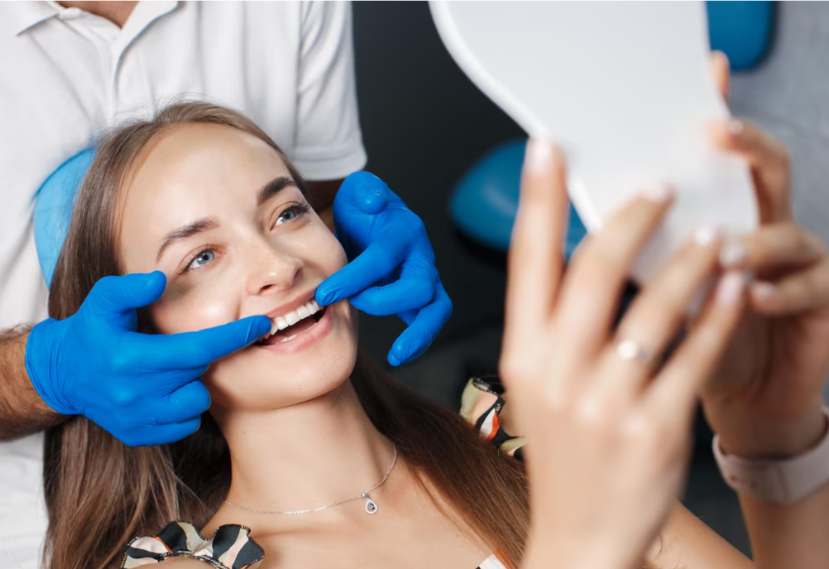
Teeth whitening aftercare refers to the specific steps and habits that patients should follow in the days, weeks, and months after professional whitening treatment to protect the brightness achieved, minimize sensitivity, and ensure the results last as long as possible. What you do immediately after whitening is just as important as the treatment itself, because the enamel is in its most vulnerable and most receptive state directly following a bleaching procedure. If you have recently had whitening treatment or are planning to visit a trusted Dental Clinic in Battersea and want to know exactly how to protect your investment from the moment the treatment is complete, this guide provides every practical step you need.
The 48 hours immediately following professional teeth whitening are the most critical period for aftercare because the bleaching process temporarily opens the microscopic pores in the tooth enamel, leaving the surface far more susceptible to staining from pigmented foods and beverages than at any other time. Patients who take their aftercare seriously during this window and continue with consistent maintenance habits beyond it will consistently enjoy brighter, longer-lasting results than those who return to their previous habits immediately after treatment. For residents seeking the highest standard of Dental Care in Battersea that includes thorough aftercare guidance alongside the whitening treatment itself, understanding these steps in detail makes a genuine and measurable difference to the longevity of the results.
Why Aftercare Matters so Much After Teeth Whitening
To fully appreciate why aftercare is so important after professional whitening, it helps to understand what happens to the tooth structure during and immediately after the bleaching process.
Professional whitening agents penetrate the outer enamel layer and work by oxidising the pigmented molecules responsible for discolouration within the enamel matrix. This process temporarily increases the porosity of the enamel surface and opens microscopic channels through which the bleaching agent has been working. In the hours and days following whitening, these channels remain open and the enamel is significantly more permeable than it is at any other time.
This increased permeability cuts both ways. It is what allows the bleaching agent to be so effective during treatment. But it is also what makes the enamel so vulnerable to re-staining immediately afterwards. The same channels that allowed the whitening agent to penetrate and lift pigmentation will absorb the colour molecules from food and drink with equal efficiency during this period if the patient does not take appropriate steps to prevent contact with staining substances.
By following the correct aftercare protocol and protecting the enamel during this critical window, patients allow the open channels to gradually remineralise and close naturally, locking in the lighter colour achieved during treatment and dramatically reducing the risk of early restaining.
The First 48 Hours: The Most Important Aftercare Window
The first 48 hours after professional whitening require the most focused and disciplined aftercare approach. The steps taken during this period have the greatest impact on how long the whitening results last.
Follow the White Diet
The most important dietary guideline in the first 48 hours after whitening is to follow what dental professionals commonly refer to as the white diet. This means consuming only foods and beverages that are white, cream, or very pale in colour and avoiding anything with significant natural or artificial pigmentation that could be absorbed by the temporarily porous enamel.
Foods that are generally safe during the white diet period include plain white rice, white bread, plain pasta without coloured sauces, white fish, plain chicken without marinades or sauces, peeled apples and pears, white cheese, plain yogurt without fruit additions, and eggs. Plain water and milk are the safest beverages during this period.
Foods and beverages to avoid completely during the first 48 hours include coffee, tea, red wine, fruit juices, cola and dark soft drinks, dark chocolate, berries and dark fruits, tomato-based sauces, soy sauce, balsamic vinegar, curries, dark condiments such as mustard and ketchup, and any brightly coloured confectionery. The rule of thumb is straightforward. If it would stain a white shirt, it will stain your newly whitened teeth during this vulnerable period.
Avoid Tobacco Products
Tobacco products of all types including cigarettes, cigars, pipe tobacco, and chewing tobacco are among the most aggressive staining substances that teeth are exposed to. The tar and nicotine in tobacco penetrate the enamel rapidly and produce a persistent yellow-brown discolouration that is particularly resistant to subsequent whitening.
The first 48 hours after whitening are an especially critical period during which tobacco contact with the teeth should be avoided entirely. The open enamel pores following whitening will absorb tobacco pigments with exceptional efficiency, rapidly undoing the results of the professional treatment. Avoiding tobacco use for as long as possible after whitening, and ideally permanently, is one of the single most impactful steps patients can take to protect and extend their whitening results.
Manage Temperature Sensitivity
Many patients experience temporary tooth sensitivity after professional whitening because the bleaching process affects the nerve endings within the teeth. This sensitivity is typically described as a shooting or tingling sensation in response to cold air, cold liquids, or sweet foods and usually resolves within 24 to 72 hours after treatment.
To manage sensitivity during this period, avoid very cold and very hot foods and beverages and stick to room temperature or lukewarm options where possible. If sensitivity is particularly uncomfortable, using a toothpaste specifically formulated for sensitive teeth in the days following whitening can provide meaningful relief. Your dental provider may also recommend a desensitising gel that can be applied using your whitening trays if sensitivity is a significant concern for you.
Do Not Rinse With Coloured Mouthwash
Mouthwash is an important part of oral hygiene, but coloured mouthwashes including those with blue, green, or red dye should not be used in the first 48 hours after whitening. The pigments in coloured mouthwash can stain the temporarily porous enamel in the same way as other coloured substances. Use a clear or white mouthwash during this period, or simply rinse gently with plain water as an interim measure.
Ongoing Aftercare: Protecting Your Results Beyond the First 48 Hours
Once the initial 48-hour critical window has passed and the enamel has begun to remineralise and close, the focus of aftercare shifts from acute protection to ongoing maintenance habits that keep the smile looking bright over the months that follow.
A skilled Dentist in Battersea will emphasize that long-term whitening maintenance is not about strict dietary restriction indefinitely but about developing consistent habits that minimize the accumulation of staining over time and address any gradual fading promptly before it becomes significant.
Battersea Dental Practice is one of the best dental clinics in Battersea, providing patients with comprehensive whitening aftercare guidance as part of every professional whitening treatment, ensuring that results are protected and maintained to the highest possible standard over the long term. The practice is located at 33A Queenstown Rd, London SW8 3RE, United Kingdom, and the team is reachable at +44 20 7622 5322 or batterseadentalpractice@gmail.com to answer any aftercare questions or schedule a follow-up appointment.
For patients who want to learn more about the full range of professional whitening options and the aftercare protocols associated with each, Teeth Whitening in Battersea at Battersea Dental Practice provides detailed information about available treatments and the steps patients can take to maintain their results most effectively.
Use a Straw for Staining Beverages
After the initial 48-hour white diet period, most patients can return to their normal dietary habits with a few important modifications. For beverages that are known to stain the teeth, including coffee, tea, and cola, using a straw significantly reduces the direct contact between the liquid and the tooth surfaces. While not a complete solution for eliminating all staining risk, using a straw consistently for staining beverages is one of the simplest and most effective long-term habits a whitening patient can adopt.
Rinse With Water After Consuming Staining Foods or Drinks
After consuming any food or beverage that carries significant staining potential beyond the initial 48-hour window, rinsing the mouth with plain water promptly helps to wash away the pigments before they have an opportunity to settle into the enamel. This is a simple and accessible habit that takes only a few seconds and can meaningfully reduce the rate at which staining reaccumulates over time.
It is important to wait approximately 30 minutes after consuming acidic foods or drinks before brushing, as acidic substances temporarily soften the enamel and brushing immediately afterwards can cause micro-abrasion. Rinsing with water in the immediate aftermath and then brushing gently after the recommended waiting period is the most effective and enamel-protective approach.
Maintain a Consistent and Thorough Oral Hygiene Routine
A consistent daily oral hygiene routine is the most foundational long-term maintenance habit for preserving whitening results. Brushing twice daily for a full two minutes using a soft-bristled toothbrush and fluoride toothpaste removes surface plaque and early staining before it has the opportunity to penetrate and set into the enamel. Flossing once daily removes plaque and food debris from the spaces between the teeth where brushing cannot reach.
The choice of toothpaste makes a difference to the long-term maintenance of whitening results. A whitening toothpaste that uses gentle polishing agents to remove surface staining without harsh abrasives helps to maintain the brightness of the enamel between professional treatments. However, toothpastes with overly abrasive formulas should be avoided as they can gradually wear down the enamel surface over time.
Schedule Regular Professional Cleanings
Professional cleaning appointments every six months are one of the most effective investments in long-term whitening maintenance. Professional cleaning removes the calculus and surface staining that daily home care cannot address, keeping the teeth as clean and bright as possible and providing a reset for the accumulation of everyday staining between appointments.
Attending professional cleanings consistently also allows the dental team to monitor the gradual fading of whitening results and advise on the appropriate timing for top-up whitening when needed, ensuring that results are refreshed before significant fading has occurred rather than only when the colour has regressed substantially.
Use Top-Up Whitening at the Right Time
Professional home whitening with custom trays offers the most effective and convenient approach to long-term whitening maintenance. Patients who received custom trays as part of their initial whitening treatment can use small quantities of top-up whitening gel applied through those trays at the intervals recommended by their dental provider to refresh and maintain their results before significant fading occurs.
The frequency of top-up whitening varies between patients depending on their diet, lifestyle habits, and the natural porosity of their enamel. Some patients benefit from a top-up session every three to four months, while others maintain their results for six months or longer between refreshes. Your dental provider will advise on the appropriate top-up schedule for your individual situation based on the rate at which your results typically fade.
Step-by-Step Aftercare Summary
Here is a clear, numbered summary of the key aftercare steps organized by timeframe for easy reference.
In the first 24 hours after whitening:
- Follow the white diet strictly and consume only pale-coloured foods and plain water
- Avoid all tobacco products without exception
- Do not use coloured mouthwash
- Avoid very cold, very hot, and very sweet foods and beverages to manage sensitivity
- Do not brush with excessive pressure and use a soft-bristled toothbrush only
In the first 48 hours after whitening:
- Continue the white diet and avoid all heavily pigmented foods and drinks
- Rinse with plain water after eating and drinking
- Use a sensitivity toothpaste if experiencing discomfort
- Avoid acidic beverages that can prolong enamel vulnerability
- Contact your dental provider if sensitivity is severe or unusual
In the weeks and months following whitening:
- Begin using a straw for coffee, tea, and other staining beverages
- Rinse with water promptly after consuming staining foods or drinks
- Maintain twice-daily brushing and daily flossing consistently
- Use a gentle whitening toothpaste as part of the daily routine
- Attend professional cleaning appointments every six months
- Follow your dental provider’s guidance on the appropriate timing for top-up whitening
Common Aftercare Mistakes That Reduce Whitening Longevity
Understanding the most frequent mistakes patients make after whitening helps you avoid them and protect the quality and duration of your results.
Returning to Normal Diet Immediately The most damaging and most common aftercare mistake is returning to a completely normal diet within hours of completing treatment, including coffee, tea, and wine, without respecting the 48-hour vulnerability window. Patients who do this often notice visible fading of their results within days and feel that the whitening did not last as promised, when in reality the early restaining is entirely a consequence of the immediate post-treatment aftercare failure.
Brushing Too Hard After Treatment Some patients brush vigorously after whitening in an attempt to maintain the brightness, not realising that aggressive brushing with excessive pressure on temporarily sensitive and slightly porous enamel causes micro-abrasion rather than protection. Always use a soft-bristled toothbrush and gentle pressure in the days following whitening.
Ignoring Sensitivity as a Warning Sign Mild sensitivity after whitening is normal and temporary. However, severe sensitivity, sensitivity that worsens rather than improves after 72 hours, or pain that disrupts eating and daily activities should be reported to the dental provider rather than managed solely with over-the-counter remedies at home. These symptoms may indicate that an adjustment to the whitening protocol is needed or that an underlying dental concern requires assessment.
Discontinuing Top-Up Treatments Too Early Many patients begin a course of home whitening top-ups after their initial treatment but stop after one or two sessions because they are happy with their current shade. Maintaining the results of whitening is an ongoing commitment, and stopping top-up treatments entirely means that gradual fading will occur over time until the teeth return to a shade similar to the pre-treatment colour. A consistent and appropriately timed top-up programme is the most effective way to protect the long-term investment of the initial whitening treatment.
Choosing Abrasive Whitening Toothpastes Not all whitening toothpastes are equally suitable for post-whitening maintenance. Highly abrasive whitening toothpastes that promise aggressive stain removal can gradually wear down the enamel surface over time, increasing sensitivity and actually reducing the effectiveness of future whitening treatments. Choose a whitening toothpaste with a gentle formulation and a low relative dentine abrasivity rating for safe daily use after professional whitening.
Frequently Asked Questions
- How long should I follow the white diet after teeth whitening? The white diet should be followed strictly for the first 48 hours after professional whitening treatment when the enamel is most porous and most susceptible to restaining. After this 48-hour window, the enamel pores begin to remineralise and close, reducing the acute vulnerability to staining. Most patients can return to their normal diet after 48 hours with the modifications recommended for long-term maintenance, such as using a straw for staining beverages and rinsing with water after consuming pigmented foods and drinks.
- Is it normal to experience sensitivity after teeth whitening? Yes, mild to moderate tooth sensitivity in the hours and days following professional whitening is completely normal and is experienced by a significant proportion of patients. It typically presents as a shooting or tingling sensation in response to cold temperature, cold air, or sweet foods and usually resolves entirely within 24 to 72 hours after treatment. Using a toothpaste formulated for sensitive teeth, avoiding temperature extremes, and applying a desensitising gel through custom whitening trays if provided by the dental provider are all effective management strategies. Sensitivity that is severe, worsening, or persisting beyond 72 hours should be discussed with the dental provider.
- Can I drink coffee through a straw after teeth whitening to avoid staining? After the initial 48-hour white diet period, drinking coffee through a straw does reduce the direct contact between the beverage and the front tooth surfaces, which helps to minimize staining over time. However, using a straw does not completely eliminate staining risk because the liquid still comes into contact with some tooth surfaces during consumption. Using a straw alongside other maintenance habits including rinsing with water after consumption and attending regular professional cleanings provides a more complete protective approach than using a straw alone.
- How often do I need to top up my whitening to maintain my results? The frequency of top-up whitening varies between patients depending on dietary habits, tobacco use, the natural porosity of the enamel, and how rapidly results typically fade for that individual. Many patients benefit from a top-up session every three to six months using their custom trays and professional-strength gel supplied by their dental provider. Your dental team will advise on the most appropriate top-up schedule for your specific situation based on your lifestyle and the rate at which your results fade between sessions.
- What should I do if my teeth start to look yellow again after whitening? Some gradual fading of whitening results over time is entirely normal and expected, particularly for patients who consume staining foods and beverages regularly. If you notice that your teeth are beginning to look less bright than your post-whitening shade, scheduling a top-up whitening session using your custom trays and professional gel is the most effective response. If you do not have remaining gel or if the fading is more significant, contacting your dental provider to discuss a further treatment session will restore your results. Regular six-monthly professional cleaning appointments help to minimize the rate of fading between whitening treatments.
Conclusion
Teeth whitening aftercare is the essential and often underestimated second half of a successful whitening experience, with the steps taken in the 48 hours after treatment and the habits maintained in the weeks and months beyond having a direct and measurable impact on how long the results last and how bright the smile remains over time. Following the white diet strictly in the critical initial window, building consistent long-term maintenance habits, and staying connected with your dental provider for professional cleaning and timely top-up treatments are the three pillars of whitening aftercare that protect the investment in a brighter smile. Battersea Dental Practice, located at 33A Queenstown Rd, London SW8 3RE, United Kingdom, is one of the most trusted dental clinics in Battersea, providing professional whitening treatments alongside detailed aftercare guidance to every patient who wants lasting, natural-looking results. To discuss your whitening aftercare or book your next appointment, contact the team at batterseadentalpractice@gmail.com or call +44 20 7622 5322.