
Introduction
An orthodontic retainer is a custom-fabricated dental appliance worn after orthodontic treatment to hold teeth in their corrected positions and prevent them from shifting back toward their original alignment. For most patients, long-term or lifelong retainer wear in some form is advised because the natural forces acting on the teeth throughout life will cause gradual movement without ongoing support.
Whether you have recently completed treatment with braces or clear aligners, or whether you finished orthodontic care years ago and are questioning whether you still need your retainer, this guide explains exactly what retainers do, why they matter, and what happens when they are not worn consistently.
For patients currently in treatment or recently finished, consulting with a trusted Dental Clinic in Battersea is the best way to receive personalized and up-to-date retention advice.
What Is an Orthodontic Retainer?
A retainer is a removable or fixed dental appliance designed to maintain the tooth positions achieved through orthodontic treatment. When braces or aligners are removed, the teeth and the surrounding bone and ligament structures are still in a transitional state. The periodontal ligament, which holds each tooth in its socket, retains a kind of biological memory of the original tooth position and will gradually pull the teeth back if left unsupported.
Retainers prevent this relapse by physically holding the teeth in their corrected positions while the bone and soft tissues adapt and consolidate around the new tooth positions over time.
For patients who have completed treatment with a provider offering Dental Care in Battersea, protecting that clinical investment through consistent retainer use is the essential final phase of orthodontic care.
Types of Orthodontic Retainers
There are three main types of retainers in clinical use today, each with distinct characteristics, advantages, and maintenance requirements.
Hawley Retainer
The Hawley retainer is the traditional removable retainer design, consisting of a custom-fitted acrylic base shaped to the roof of the mouth or the lower gum area, held in position by a metal wire that runs across the front teeth. Hawley retainers are highly durable, easy to adjust by the dentist if minor correction is needed, and can be repaired rather than fully replaced in many cases.
They are available for both upper and lower arches and represent a reliable long-term retention option for many patients.
Clear Thermoplastic Retainer
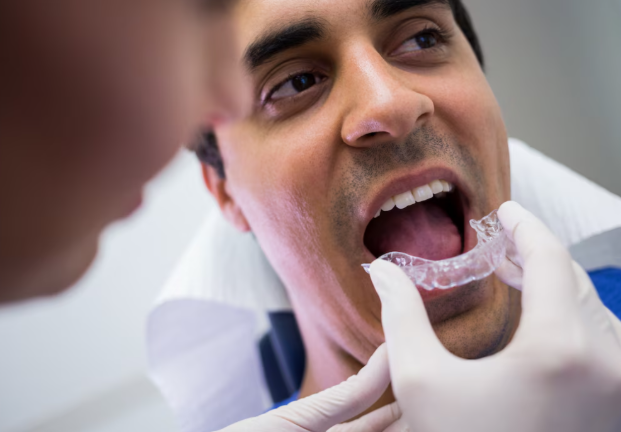
Clear retainers, sometimes called Essix-style retainers, are made from transparent thermoplastic material that fits snugly over the entire arch of teeth. They are virtually invisible when worn and are widely preferred by patients for their discreet appearance.
Their primary limitation is that they are more susceptible to cracking and warping than Hawley retainers, particularly if exposed to heat or not stored in their case. They typically require replacement every one to three years depending on wear and care.
Fixed Bonded Retainer
A fixed retainer consists of a thin wire bonded directly to the inner surfaces of the front teeth, most commonly on the lower arch. Because it is permanently attached, it eliminates compliance concerns entirely and is highly effective at maintaining front tooth alignment long-term.
Fixed retainers require more diligent cleaning with a floss threader or interdental brush and must be checked professionally at every dental appointment to ensure the bond remains intact.
A Dentist in Battersea can help determine whether a fixed, removable, or combined retention approach is most clinically appropriate for your specific needs and lifestyle.
Do You Need a Retainer Permanently?
For the vast majority of orthodontic patients, the answer to this question is yes, in some form. Here is why:
- The periodontal ligament surrounding every tooth retains memory of the original tooth position and exerts a consistent biological pull in that direction throughout life.
- The everyday forces of biting, chewing, swallowing, and speaking apply constant pressure to the teeth, contributing to gradual positional change over time.
- Age-related changes in the jaw and soft tissue structures cause ongoing tooth movement even decades after orthodontic treatment is complete.
- Clinical research consistently shows that without some form of ongoing retention, a meaningful degree of relapse occurs in the majority of patients within the first few years post-treatment.
For most adults, the standard recommendation is nightly removable retainer wear sustained indefinitely, a fixed bonded retainer, or a combination of both. The exact protocol is determined based on your individual tooth movement history, age, bone density, and bite characteristics.
Battersea Dental Practice is one of the best dental clinics in Battersea, offering comprehensive orthodontic aftercare including retainer fabrication, monitoring, and replacement. You can reach them at +44 20 7622 5322 or batterseadentalpractice@gmail.com. The practice is located at 33A Queenstown Rd, London SW8 3RE, United Kingdom.
Signs Your Retainer Is Not Being Worn Enough
If your retainer feels noticeably tight when you put it back in after a period of not wearing it, this is a reliable indicator that tooth movement has already begun during the time you went without it. Additional warning signs include:
- Difficulty seating the retainer fully into position
- Visible spaces returning between the front teeth
- Changes in how your upper and lower teeth meet when you bite
- The retainer no longer fits at all despite never having been damaged
If your retainer no longer fits, do not attempt to force it into position. Contact your dental provider promptly, as attempting to wear an ill-fitting retainer can move teeth in an unintended direction rather than holding them in place.
Retainers and Clear Aligner Treatment
For patients who have completed clear aligner treatment such as Invisalign, the importance of retainer compliance is especially significant. Clear aligners move teeth through a series of precise, sequential positions, but the bone and periodontal ligament surrounding those teeth need time to fully stabilize in each new position. Retainers provide the consistent support required for this biological consolidation to occur fully.
For information about treatment options including Invisalign in Battersea and what the post-treatment retention plan includes, Battersea Dental Practice can walk you through every stage of the orthodontic journey, from initial consultation through to long-term maintenance.
How to Care for Your Retainer
Proper care significantly extends the lifespan of a removable retainer and protects your oral health throughout the retention phase.
For removable retainers:
- Remove the retainer before eating or drinking anything other than plain water
- Clean it daily with a soft toothbrush and mild soap or a dedicated retainer cleaning tablet
- Rinse it thoroughly before placing it back in the mouth
- Store it in its protective case whenever it is not being worn
- Keep it away from heat, direct sunlight, and pets
- Never wrap it in a tissue or napkin, as this leads to accidental disposal at mealtimes
For fixed bonded retainers:
- Use a floss threader or interdental brush daily to clean thoroughly beneath the wire and between the bonded teeth
- Report any loosening of the wire or detachment of the bond to your dentist promptly
- Ensure your dental hygienist is aware of the fixed retainer at every cleaning appointment
Common Mistakes Patients Make with Retainers
- Discontinuing retainer wear once the teeth feel stable, leading to gradual and progressive relapse
- Losing the retainer and delaying replacement, giving teeth time to shift significantly
- Eating or drinking hot beverages while wearing a clear plastic retainer, causing warping
- Failing to bring the retainer when traveling, resulting in multi-day gaps in wear
- Missing follow-up appointments at which the retainer fit is professionally verified
When Will You Need a New Retainer?
Clear thermoplastic retainers typically need to be replaced every one to three years depending on how much they are worn and how well they are maintained. Hawley retainers are significantly more durable and can last many years with proper care, though they may eventually require adjustment or replacement.
Fixed bonded retainers should be inspected at every dental visit and replaced if any part of the bond has loosened or if the wire has been deformed or damaged.
Frequently Asked Questions
Q1: How long do I need to wear my retainer after completing orthodontic treatment? Most orthodontists and dentists recommend wearing a retainer every night indefinitely. In the first six to twelve months after treatment, full-time wear is often prescribed. After that, nightly wear becomes the standard long-term protocol for most patients.
Q2: What happens if I stop wearing my retainer? Teeth will gradually move back toward their pre-treatment positions. The speed and extent of this relapse varies between individuals based on age, bone density, and the amount of original tooth movement that was corrected, but some degree of movement is virtually certain if retainer wear is permanently discontinued.
Q3: Can I wear my retainer only during the day instead of at night? Nighttime wear is the standard recommendation because the teeth experience fewer active chewing and speaking forces during sleep. Your dental provider may specify different instructions based on your individual case, and those specific recommendations should always be followed.
Q4: My retainer feels very tight when I put it in. What should I do? A tight retainer usually indicates that some tooth movement has occurred during a period without wear. If the retainer seats fully after a brief adjustment period, consistent wear should help. If it cannot seat fully or causes significant discomfort, contact your dental provider for a clinical assessment before continuing to wear it.
Q5: Is a fixed retainer more effective than a removable one? Both have distinct advantages. Fixed retainers are highly effective because they function independently of patient compliance. Removable retainers cover all teeth in the arch and allow easier thorough cleaning. Many patients benefit most from a combination approach: a fixed lower retainer complemented by a removable upper retainer worn nightly. Your dentist will recommend the combination that best suits your clinical needs.
Conclusion
An orthodontic retainer is not an optional accessory after treatment but an essential, ongoing commitment to maintaining the alignment you worked hard to achieve. Whether you choose a removable retainer, a fixed bonded option, or a combination of both, consistent wear according to your dental provider’s recommendations is the only reliable way to protect your smile from relapse. Treating your retainer as a permanent and valued part of your oral health routine is the approach that delivers lasting results.