
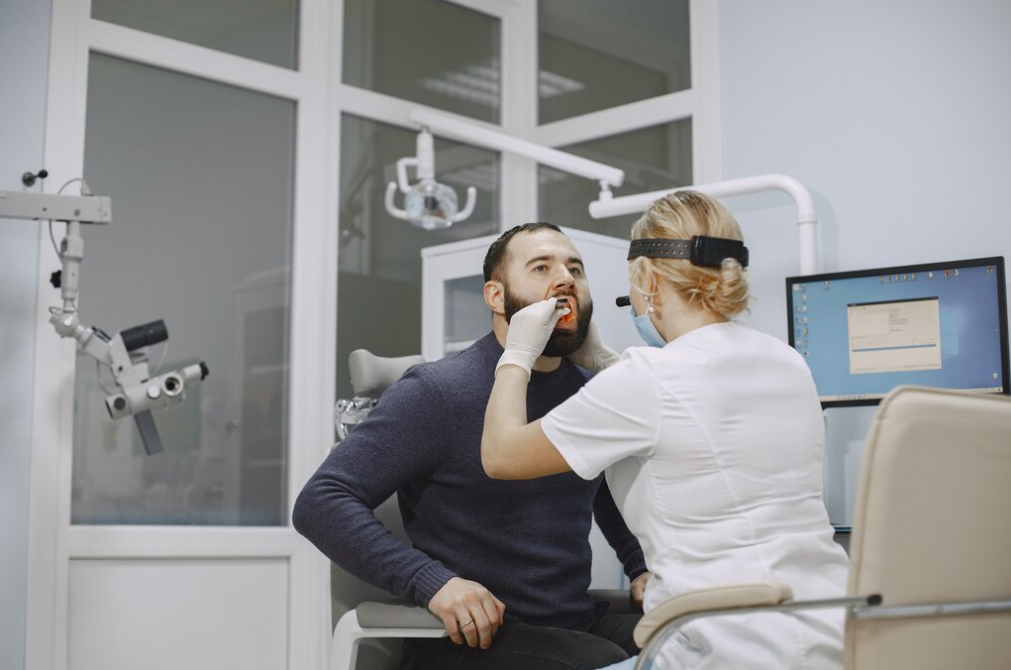
Oral surgery refers to any surgical procedure performed on the teeth, gums, jaw, or surrounding oral tissues. Many patients assume that oral surgery always requires a referral to a specialist, but in reality, a wide range of oral surgical procedures are routinely performed by experienced general dentists in their own practice without any referral needed. Understanding which procedures fall within the general dental scope and which require specialist involvement helps patients seek appropriate care promptly and avoid unnecessary delays.
For patients in South London, the Battersea Dental Practice has offered trusted NHS and private dental care since the late 1940s, with a team experienced in a comprehensive range of treatments, including in-house oral surgical procedures.
What Is Oral Surgery?
Oral surgery is a broad category of dental treatment that involves any procedure requiring an incision into or removal of oral tissue. The term does not automatically imply complexity or the need for a hospital setting. Many oral surgical procedures are quick, outpatient procedures performed under local anesthesia in a standard dental chair.
Oral surgery includes:
- Tooth extractions, including simple extractions and surgical extractions of retained roots or broken teeth
- Wisdom tooth removal, which may be straightforward or may require a surgical approach depending on the position and eruption status of the tooth
- Dental implant placement, which involves surgically inserting a titanium post into the jawbone
- Biopsy of oral tissue to investigate suspicious lesions
- Treatment of cysts or abscesses that require surgical drainage or removal
- Frenectomy, the surgical release of a frenum attachment that is restricting tongue or lip movement
- Bone grafting for implant site preparation
The range of what a general dentist can competently perform depends on their training, experience, and the equipment available in their practice.
When Is a Referral Not Needed?
A significant portion of oral surgical needs can be met by a well-equipped general dental practice with experienced clinicians. Situations where a referral is typically not needed include:
Simple extractions: A tooth that is fully erupted, has intact root anatomy, and is accessible can be extracted by a general dentist using forceps and elevators under local anesthesia.
Surgical extraction of a broken-down tooth: When a tooth has fractured at the gum line but the roots are straightforward in anatomy, surgical access through a small gum flap allows a general dentist to remove the remaining root structure safely.
Soft tissue procedures: Removing soft tissue lesions for biopsy or performing a frenectomy are within the scope of a confident general practice.
Straightforward wisdom teeth: Lower wisdom teeth that are partially erupted with favorable anatomy, and upper wisdom teeth that have not deeply impacted into bone, are routinely managed in a general dental setting.
The Battersea Dental Practice has been a trusted Dental Clinic in Battersea for over 80 years, offering general surgical procedures as part of a comprehensive treatment menu that eliminates the need for referral in many common situations.
When Is a Referral to an Oral Surgeon Needed?
Some cases are appropriately managed by a specialist in oral and maxillofacial surgery. These include:
- Deeply impacted wisdom teeth with complex root anatomy or close proximity to the inferior alveolar nerve
- Patients with significant medical comorbidities such as blood disorders, anticoagulation therapy, or compromised immune systems
- Large cysts or tumors requiring extensive surgical resection
- Jaw fractures and reconstructive surgery following trauma
- Complex implant cases requiring significant bone grafting or sinus lifts
- Patients requiring general anesthesia for surgical procedures
When a referral is genuinely needed, the clinical team at a well-established practice will recognize this and coordinate the process efficiently. GDC-registered dental professionals in the UK are trained to recognize the limits of their competence and to act in the patient’s best interest.
If you are concerned about a dental emergency or a lesion that needs assessment, you can contact the practice at 020 7622 5322 or batterseadentalpractice@gmail.com.
What to Expect at Your First Visit for Oral Surgery Assessment
Understanding the process can significantly reduce anxiety about oral surgical treatment.
- History taking: Your clinician will ask about your symptoms, medical history, medications, and allergies. Certain medications such as blood thinners, bisphosphonates, and immunosuppressants, are clinically important for surgical planning.
- Clinical examination: The area in question is visually inspected and palpated to assess swelling, tenderness, tissue consistency, and the condition of surrounding teeth.
- Radiographic assessment: X-rays, typically a periapical film or a panoramic radiograph, provide information about root anatomy, bone levels, and the proximity of important anatomical structures such as nerves and the sinus floor.
- Discussion of treatment options: The clinician explains the proposed procedure, expected recovery, risks, benefits, and alternatives. For NHS treatment, relevant NHS charges apply. Private options may offer greater flexibility or additional services.
- Informed consent: A clear explanation of the procedure is provided, and the patient’s consent is documented before any surgical treatment begins.
General treatments at Battersea Dental Practice cover a wide scope of care, and the team prides itself on clear communication with every patient before any procedure proceeds.
NHS and Private Oral Surgery: Understanding the Difference
Oral surgery is available through both NHS and private dental pathways in the UK. Understanding the difference helps patients make informed decisions about their care.
NHS oral surgery covers clinically necessary procedures under NHS Band 2 charges in most cases. This includes standard extractions and treatment of abscesses. Waiting times may vary depending on demand.
Private oral surgery typically offers faster appointment availability, more time with the clinician, and access to a broader range of treatment options and materials. 0% finance is available at Battersea Dental Practice for private treatments, making it easier for patients to spread the cost.
As an NHS Dentist Battersea and Private Dentist Battersea, Battersea Dental Practice offers both options, giving patients the flexibility to choose the pathway that best suits their circumstances. The practice is also BUPA-recognized, which means patients with BUPA dental insurance can access private treatment directly through the practice.
Common Oral Surgical Situations and How They Are Managed
Tooth Extraction
A straightforward extraction is one of the most common dental procedures. The tooth is loosened with elevators and removed with extraction forceps under local anesthetic. The socket is cleaned, and a gauze pack is applied to help a clot form. Healing is typically complete within two weeks for soft tissue, though bone remodeling takes longer.
Surgical Extraction
When a tooth cannot be removed in one piece with forceps, a surgical approach is used. A small flap of gum tissue is reflected, bone may be carefully removed to expose the tooth, and the tooth may be sectioned into pieces for easier removal. The gum is then sutured closed. This is a routine procedure in any well-equipped dental practice.
Wisdom Tooth Removal
Wisdom tooth extraction ranges from very simple to highly complex. A fully erupted, upright wisdom tooth with straightforward roots may be removed in minutes. A deeply impacted, horizontally lying tooth requires careful surgical planning, bone removal, and sectioning. The decision about where this is best managed depends on the specific clinical presentation.
Missing teeth solutions and dental implants are available at Battersea Dental Practice for patients who have had extractions and are considering replacement options.
Abscess Drainage
A dental abscess is a collection of pus caused by bacterial infection. In some cases, the infection can be resolved with root canal treatment or extraction. In others, an incision is made into the swollen tissue to drain the abscess and reduce pressure. Antibiotics are frequently prescribed alongside surgical drainage.
Patients who are experiencing severe facial swelling, difficulty swallowing, or difficulty breathing alongside dental symptoms should seek urgent medical care, as these may indicate a spreading infection requiring hospital management. Do not delay seeking care in these circumstances.
A Full Range of Services for Battersea Patients
Beyond oral surgery, the full scope of care available at Battersea Dental Practice includes:
- All dental treatments under one roof
- Preventative dentistry, including hygiene, sealants, and dietary advice
- Cosmetic dentistry, including tooth whitening, bonding, and smile makeovers
- Invisalign is a certified Invisalign provider
- Facial aesthetics treatments
- Dental payment plans, including 0% finance options
New patients are always welcome. You can find out more about becoming a patient at the new patients page or by calling 020 7622 5322.
Common Patient Mistakes When Seeking Oral Surgical Care
Waiting too long: An infected tooth or abscessed tissue left untreated can spread rapidly. Seeking care at the first signs of serious infection is always the right decision.
Assuming all oral surgery requires a hospital: The vast majority of oral surgical procedures are performed safely and comfortably in a dental practice under local anesthesia.
Stopping antibiotics early: If antibiotics are prescribed, completing the full course is essential even if symptoms resolve early. Incomplete courses can allow partially resistant bacteria to survive.
Smoking after extraction: Smoking significantly delays healing, increases the risk of dry socket, and elevates the risk of infection. Patients should be advised to stop smoking in the days before and after extraction.
Ignoring post-operative instructions: Aftercare instructions are not suggestions. Following them carefully reduces complications and shortens recovery time.
Practical Information for Battersea Patients
Battersea Dental Practice is located at 33A Queenstown Road, London SW8 3RE. On-site parking is available, making it straightforward to reach the practice by car. The practice is also conveniently located for patients traveling from Vauxhall, Nine Elms, Wandsworth, and Clapham.
Clinic hours are Monday, Wednesday, and Friday from 8:30 AM to 6:00 PM; Tuesday and Thursday from 8:30 AM to 7:00 PM; and Saturday from 10:00 AM to 2:00 PM by appointment. Evening appointments on Tuesdays and Thursdays make it possible for working patients to access care without taking time off.
To book an appointment, visit the appointment page or call 020 7622 5322.
Frequently Asked Questions
Q1: Is oral surgery painful? Oral surgical procedures performed under local anesthesia are not painful during the procedure. There may be pressure or vibration sensations, but these are not painful. Post-operative discomfort is normal and is managed effectively with over-the-counter painkillers such as ibuprofen and paracetamol. More significant procedures may warrant prescription-strength analgesia.
Q2: How long does recovery from a tooth extraction take? Soft tissue healing typically takes 10 to 14 days. The socket continues to fill in with bone over the following months. Most patients feel comfortable returning to normal activities within a day or two.
Q3: Can I eat before an oral surgery appointment? For procedures under local anesthesia, eating a light meal beforehand is generally fine and helps avoid lightheadedness. For procedures requiring sedation or general anesthesia, specific fasting instructions will be provided.
Q4: What is dry socket and how do I avoid it? Dry socket occurs when the blood clot that forms in an extraction socket is dislodged or dissolves before healing is complete, leaving the underlying bone exposed. It causes significant pain, usually beginning three to five days after extraction. Avoiding smoking, rinsing forcefully, or using a straw in the first 48 hours reduces the risk significantly.
Q5: Do I need someone to drive me after oral surgery? For procedures under local anesthesia only, most patients can travel home independently. For procedures involving sedation, having someone accompany you and drive you home is required.
Conclusion
Oral surgery covers a wide spectrum of procedures, many of which are routinely and safely performed in a general dental practice without any referral needed. With over 80 years of trusted care, a BUPA-recognized clinical team, and both NHS and private treatment pathways available, Battersea Dental Practice provides the Best Dental Clinic in Battersea experience for patients requiring oral surgical care in a familiar, well-established environment. If you have concerns about a tooth, a lesion, or an upcoming surgical procedure, the team at Battersea is here to help.