
Teeth straightening methods compared means evaluating the full range of orthodontic treatments available today against each other in terms of their effectiveness, appearance, comfort, treatment duration, suitability for different types of cases, and the lifestyle impact they have on patients throughout the treatment period. The honest answer is that no single method is the best option for every patient because the right choice depends on the specific alignment and bite concerns being treated, the patient’s age, their lifestyle, and the clinical recommendation of a qualified dental professional. If you are considering orthodontic treatment and want to understand your options clearly before consulting with a trusted Dental Clinic in Battersea, this comprehensive guide gives you the knowledge to approach that conversation with confidence.
Orthodontic treatment has evolved dramatically over the past two decades, and patients today have access to a wider range of straightening methods than ever before. From traditional metal braces and modern clear ceramic alternatives to removable clear aligners and accelerated brace systems, each method has specific strengths, limitations, and an ideal patient profile it serves most effectively. For residents seeking quality Dental Care in Battersea that includes a thorough and unbiased assessment of all available orthodontic options, understanding how each method works and what it is best suited for is the essential foundation of a well-informed treatment decision.
Why Choosing the Right Straightening Method Matters
The method of teeth straightening you choose has consequences that extend well beyond the duration of treatment. It affects your daily comfort, your appearance during the treatment period, your ability to maintain oral hygiene, your dietary freedom, the total investment involved, and ultimately the quality and stability of the final result.
Choosing a straightening method based on a single factor, such as the lowest visible impact on appearance or the shortest possible timeline, without considering whether that method is clinically appropriate for the specific alignment concerns being treated, is one of the most common mistakes patients make. The most important basis for any orthodontic treatment decision is clinical suitability. The method that will reliably achieve the best outcome for the patient’s specific case is always the right starting point, with personal preferences considered within that clinical framework.
A knowledgeable Dentist in Battersea who provides comprehensive orthodontic assessments will evaluate the patient’s full clinical picture before making any recommendation, ensuring that the suggested treatment is genuinely the most appropriate option for their individual needs rather than the most popular or most marketable one.
Battersea Dental Practice is one of the best dental clinics in Battersea, providing comprehensive orthodontic consultations and a full range of straightening options to patients who want honest, evidence-based guidance on which treatment will deliver the best result for their specific situation. Located at 33A Queenstown Rd, London SW8 3RE, United Kingdom, the team is reachable at +44 20 7622 5322 or batterseadentalpractice@gmail.com to schedule an assessment and discuss all available options in detail.
For patients whose cases are suited to an accelerated fixed brace approach, Fast Braces in Battersea at Battersea Dental Practice offers an efficient and clinically effective route to straighter teeth in a significantly shorter timeframe than conventional fixed appliances.
Method One: Traditional Metal Braces
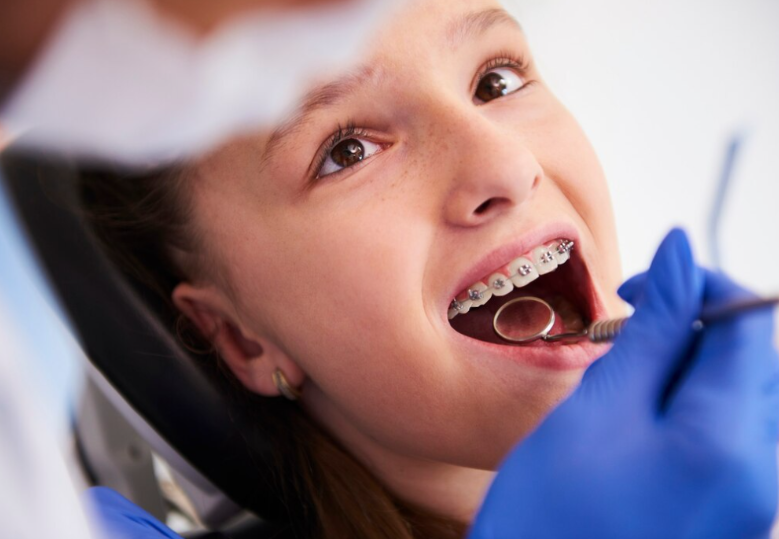
Traditional metal braces are the longest-established orthodontic treatment and consist of metal brackets bonded directly to the tooth surfaces, connected by a metal archwire that is held in place with elastic ligatures. The archwire exerts continuous pressure on the teeth, and the orthodontist or dentist adjusts this pressure at regular appointments by replacing or tightening the wire to guide the teeth progressively toward the planned final positions.
Strengths of Traditional Metal Braces
Metal braces have the most extensive clinical evidence base of any orthodontic system and are effective across the full spectrum of orthodontic complexity. They can address severe crowding, significant bite discrepancies, complex rotations, and skeletal concerns when combined with appropriate supplementary appliances or surgical intervention. Because they are permanently attached to the teeth throughout treatment, they work continuously without relying on patient compliance to wear them, which makes them the most reliable option for patients whose ability to maintain consistent appliance wear cannot be guaranteed.
Traditional metal braces are also the most cost-accessible orthodontic option in most clinical settings, making them the standard treatment available through NHS orthodontic referral for qualifying patients under the age of 18.
Limitations of Traditional Metal Braces
Metal braces are the most visible of all orthodontic options and are immediately apparent to anyone who interacts with the patient. They restrict dietary choices because hard, sticky, and crunchy foods can damage brackets and wires. Oral hygiene requires more effort with specialist tools to clean around and beneath the brackets and wires. Soft tissue irritation from bracket edges and wire ends is a common source of discomfort, particularly in the early weeks of treatment and after adjustment appointments.
Best Suited For
Metal braces are the best choice for patients with complex or severe orthodontic concerns, younger patients whose compliance with removable appliances cannot be relied upon, and patients for whom the investment is a primary consideration.
Method Two: Ceramic Braces
Ceramic braces work on exactly the same mechanical principles as traditional metal braces but use tooth-coloured or clear ceramic brackets instead of metal ones. The archwire connecting the brackets may be tooth-coloured or metallic depending on the specific system used.
Strengths of Ceramic Braces
The primary advantage of ceramic braces over metal braces is their significantly more discreet appearance. The tooth-coloured brackets blend with the natural tooth colour and are far less noticeable than metal brackets, making them a popular choice for adult patients who want the clinical reliability of fixed appliances without the visibility of metal braces.
Ceramic braces offer the same clinical effectiveness as metal braces across the same range of orthodontic complexity, making them a genuinely versatile option for patients who want both clinical comprehensiveness and improved aesthetics during treatment.
Limitations of Ceramic Braces
Ceramic brackets are more fragile than metal brackets and can fracture under excessive biting force or impact. The ceramic material can also become stained over time by strongly pigmented foods and beverages, which reduces the aesthetic advantage over the course of a longer treatment. Ceramic braces are typically more expensive than metal braces. The archwire, which is usually metallic, remains visible and is the component most noticeable to close observers.
Best Suited For
Ceramic braces are best suited for adult patients with mild to complex orthodontic concerns who want the clinical effectiveness of fixed appliances combined with a more aesthetically considerate appearance during treatment.
Method Three: Lingual Braces
Lingual braces use the same bracket and wire system as conventional fixed braces but are bonded to the inner surfaces of the teeth, facing the tongue, rather than the outer surfaces. This positioning makes them completely invisible from the outside.
Strengths of Lingual Braces
Lingual braces are the only truly invisible fixed brace system, as they are entirely hidden on the inner surfaces of the teeth. They offer the clinical effectiveness of fixed appliances for complex cases while being completely undetectable from any normal viewing angle. This makes them a highly attractive option for patients in professional environments, performers, or those who have a strong personal preference for zero visible impact during treatment.
Limitations of Lingual Braces
Lingual braces are technically more complex to design, fit, and adjust than labial braces, which makes them more expensive and requires specific training and experience from the dental provider. Patients typically experience a more significant initial impact on speech than with labial braces because the tongue must adapt to the presence of the brackets on the inner tooth surfaces. Oral hygiene around lingual braces requires particular care and diligence because the inner surfaces of the teeth are more challenging to clean thoroughly.
Best Suited For
Lingual braces are best suited for adult patients with mild to moderately complex cases who place a very high priority on complete invisibility during treatment and are prepared to accept a higher investment and a more involved adjustment period.
Method Four: Clear Aligner Systems Including Invisalign
Clear aligner systems use a series of custom-fabricated transparent plastic trays to move the teeth gradually into the planned final positions. Each aligner applies controlled forces to specific teeth, and patients advance through the series at prescribed intervals, typically every one to two weeks. The most widely used and clinically researched clear aligner system is Invisalign, which uses advanced digital three-dimensional planning software and proprietary thermoplastic material to deliver precise and predictable tooth movement.
Strengths of Clear Aligners
Clear aligners are virtually invisible when worn, making them the most discreet removable orthodontic option available. They are removable for eating, drinking, and oral hygiene, which means patients can eat without restriction and maintain their full oral hygiene routine without any need for specialist tools or adjusted technique. The smooth plastic material causes significantly less soft tissue irritation than fixed brace components. The digital planning software allows patients to preview the anticipated final result before treatment begins.
Clear aligners have expanded their clinical capabilities significantly and are now suitable for a wide range of mild to moderately complex cases that would previously have been treated exclusively with fixed appliances.
Limitations of Clear Aligners
The effectiveness of clear aligners depends entirely on patient compliance with the recommended daily wear of 20 to 22 hours. Patients who consistently under-wear their aligners will experience slower progress, poorly fitting subsequent aligners, and the need for additional refinement stages that extend the timeline and may increase the investment. Very complex cases involving significant rotations, severe bite discrepancies, or large vertical tooth movements may still be more reliably managed with fixed appliances for certain specific movements.
Best Suited For
Clear aligners are best suited for motivated adult patients and responsible older teenagers with mild to moderately complex cases who want a discreet, comfortable, and lifestyle-friendly treatment experience and are genuinely committed to the compliance requirements.
Method Five: Fast Braces and Accelerated Fixed Systems
Fast braces and other accelerated fixed brace systems are designed to reduce the treatment timeline compared to conventional fixed brace therapy by using unique bracket designs and archwire geometries that move the root and crown of the tooth simultaneously rather than in the sequential stages used by traditional braces.
Strengths of Fast Braces
The primary advantage of fast braces is the significantly shorter treatment timeline, which can reduce active treatment from the eighteen months to two years typical of conventional fixed braces to as little as three months to a year for suitable cases. This compressed timeline reduces the period during which the patient must manage the dietary restrictions, oral hygiene demands, and aesthetic impact of wearing fixed appliances.
Fast braces use conventional bonding to natural teeth and provide the continuous tooth movement of a fixed appliance without relying on patient compliance for wear. They are clinically suitable for a range of cases that would typically have required a longer course of conventional fixed treatment.
Limitations of Fast Braces
Fast braces are most appropriate for cases within a certain range of complexity. Very complex orthodontic presentations may still require conventional treatment timelines to achieve a thorough and stable result. Like all fixed brace systems, dietary modifications are necessary throughout treatment and oral hygiene requires consistent attention around the bracket and wire components.
Best Suited For
Fast braces are best suited for patients with mild to moderate orthodontic concerns who want the clinical reliability of a fixed appliance system with a significantly reduced treatment timeline compared to conventional braces.
Side-by-Side Comparison of All Methods
Here is a straightforward comparison of all five teeth straightening methods against the key criteria most patients use to evaluate their options.
Visibility during treatment: Lingual braces and clear aligners are the least visible options, with ceramic braces offering an intermediate level of discretion and metal braces being the most visible. Fast braces using tooth-coloured brackets fall between metal and ceramic in terms of visibility.
Treatment timeline: Fast braces and clear aligner Lite options offer the shortest timelines for appropriate cases. Conventional metal and ceramic braces have the longest typical treatment durations. Lingual braces and comprehensive clear aligner treatments fall within a broadly comparable range.
Dietary freedom: Clear aligners are the only method that allows completely unrestricted eating, as they are removed for meals. All fixed brace systems require modifications to avoid foods that damage brackets and wires.
Oral hygiene ease: Clear aligners allow completely normal brushing and flossing. All fixed systems require additional tools and more careful technique to maintain thorough cleaning around the appliance components.
Compliance dependency: Fixed appliance systems work continuously without patient compliance. Clear aligners depend entirely on the patient wearing them for the recommended daily duration.
Clinical scope: Metal braces and ceramic braces offer the broadest clinical capability. Clear aligners cover mild to moderate complexity very effectively. Fast braces and lingual braces serve well-defined case ranges most effectively.
Common Mistakes When Choosing a Straightening Method
Understanding the most common mistakes patients make when selecting an orthodontic treatment helps you make a more informed and clinically appropriate decision.
Prioritising Appearance Over Clinical Suitability: Choosing a treatment primarily because it is invisible or has the shortest timeline without confirming that it is clinically appropriate for the specific alignment concerns being treated frequently leads to incomplete results, the need for retreatment, or a longer total timeline than the clinically appropriate method would have required.
Not Asking About the Full Treatment Scope: Some patients agree to a treatment plan without fully understanding whether the recommended method will address their complete set of alignment and bite concerns or only a portion of them. Always ask your dental provider to explain exactly what the recommended treatment will and will not address before committing to a plan.
Ignoring the Retention Requirement: Regardless of which straightening method is used, retainers are required indefinitely after active treatment to maintain the corrected positions. Patients who are not fully committed to long-term retainer wear will experience gradual relapse regardless of how effective their active treatment was. Understanding the retention commitment before starting treatment is an important part of making a genuinely informed decision.
Choosing Based on a Friend’s Experience: A straightening method that worked perfectly for a friend may or may not be appropriate for your own case because every patient’s alignment concerns are different. Personal recommendations are a useful starting point but should always be followed by a thorough individual clinical assessment rather than accepted as a direct guide to the best treatment for your own needs.
Frequently Asked Questions
- Which teeth straightening method is the fastest? The fastest straightening methods for suitable cases are accelerated fixed brace systems such as fast braces, which can complete treatment in as little as three months to a year for appropriate cases, and short-course clear aligner products designed for mild cosmetic corrections, which can achieve results in three to six months. Conventional fixed brace treatments typically take between twelve and twenty-four months. The appropriate timeline for any patient depends primarily on the complexity of their specific case rather than the method alone.
- Can adults use any teeth straightening method? Yes, all of the main teeth straightening methods are available to adult patients. Adults can use metal braces, ceramic braces, lingual braces, clear aligners, and accelerated fixed systems depending on their clinical needs and personal preferences. The only method that has age-specific design features is Invisalign Teen, which includes compliance indicators and replacement aligner provisions specifically for younger patients. Adult patients often prefer clear aligners or ceramic and lingual braces for their more discreet appearance during treatment.
- Is teeth straightening only for cosmetic purposes? No, teeth straightening addresses both cosmetic and functional concerns. Properly aligned teeth are easier to clean, reducing the risk of decay and gum disease in the areas where crowded teeth overlap and are difficult to reach with a toothbrush or floss. Correcting bite problems such as overbites, underbites, and crossbites improves chewing efficiency, reduces excessive wear on specific teeth, and can alleviate jaw pain and temporomandibular joint discomfort associated with a misaligned bite. While many patients pursue orthodontic treatment for cosmetic reasons, the functional and health benefits are equally significant.
- Do all teeth straightening methods require retainers afterwards? Yes, all orthodontic treatments require retainers to be worn after active treatment is complete, regardless of the method used. Teeth have a natural tendency to drift back toward their pre-treatment positions throughout life, and retainers are the only reliable way to prevent this relapse and maintain the results of treatment permanently. Most patients are advised to wear retainers every night indefinitely after completing any form of orthodontic treatment, and retainers will need to be replaced periodically as they wear over the years.
- How do I know which teeth straightening method is right for me? The most reliable way to determine the most appropriate straightening method for your specific situation is to schedule a comprehensive orthodontic consultation with a qualified dental professional who offers a full range of treatment options. A thorough clinical assessment will evaluate the nature and extent of your alignment and bite concerns, your medical and dental history, your lifestyle and compliance considerations, and your personal priorities for the treatment experience. Based on this assessment, your dental provider will recommend the method that is most clinically appropriate for your case and most aligned with your individual needs and goals.
Conclusion
Teeth straightening methods compared across all available options shows that each system has clear strengths, specific limitations, and an ideal patient profile it serves most effectively, with the right choice always depending on a thorough clinical assessment rather than personal preference or external influence alone. Understanding the differences between metal braces, ceramic braces, lingual braces, clear aligners, and accelerated fixed systems gives patients the knowledge to engage productively with their dental provider, ask the right questions, and make a confident decision that is genuinely aligned with both their clinical needs and their lifestyle. Battersea Dental Practice, located at 33A Queenstown Rd, London SW8 3RE, United Kingdom, is one of the most trusted dental clinics in Battersea, providing comprehensive orthodontic consultations and the full range of straightening options to patients who want expert guidance and exceptional clinical care. To book your consultation, contact the team at batterseadentalpractice@gmail.com or call +44 20 7622 5322.