
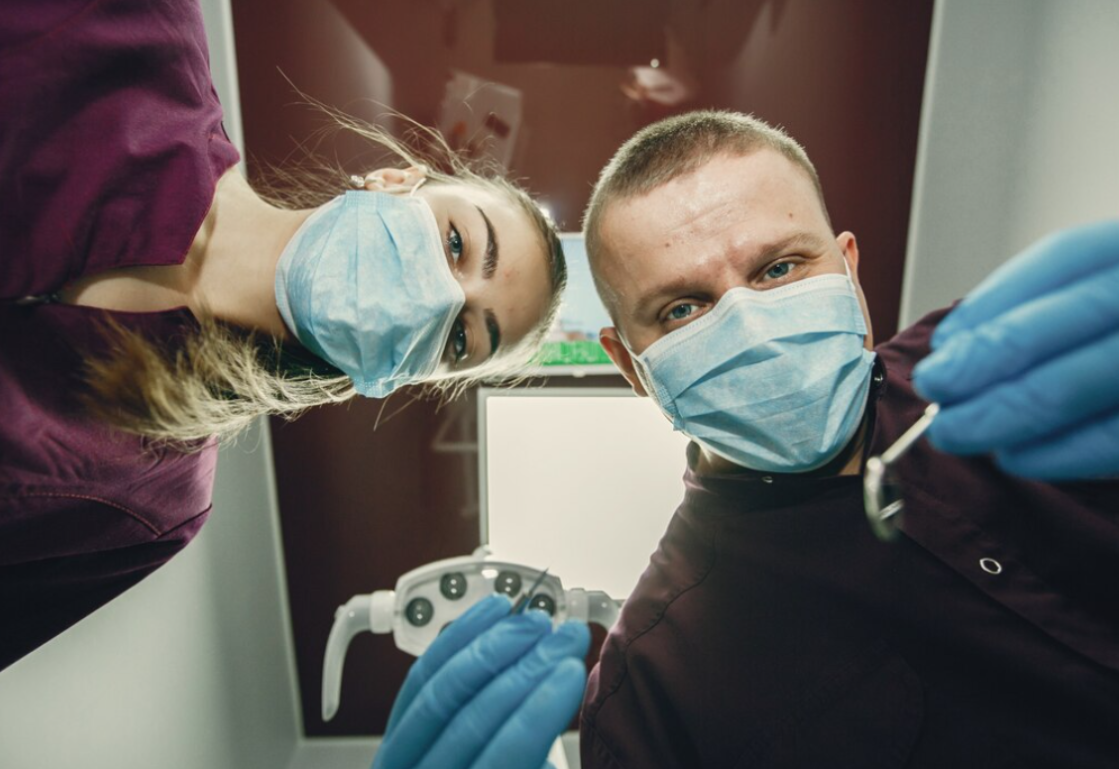
Oral surgery refers to the range of surgical procedures performed within the mouth, jaw, and surrounding facial structures to treat conditions that cannot be resolved through non-surgical dental care, including tooth extractions, dental implant placement, bone grafting, treatment of oral pathology, and management of conditions affecting the jaw and its supporting structures. It is a well-established and extensively practised area of dental care that, when performed by a qualified and experienced dental professional under effective local anaesthesia, is significantly more comfortable and straightforward than most patients anticipate. If you have been advised that you need a surgical dental procedure and want clear, honest information from a trusted Dental Clinic in Battersea about what oral surgery involves, what to expect, and how to recover effectively, this comprehensive guide addresses every important aspect of the subject.
Oral surgery is often surrounded by unnecessary anxiety because many patients associate any surgical procedure with significant pain, lengthy recovery, and high risk. In reality, the majority of oral surgical procedures performed in a dental setting are routine, well-controlled clinical interventions with predictable outcomes and recovery periods that are far shorter and more comfortable than patients commonly expect. The discomfort associated with the dental condition that necessitates surgery, whether that is a severely infected tooth, an impacted wisdom tooth, or a dental abscess, is almost always considerably greater than the post-operative discomfort following properly performed oral surgery. For residents seeking the highest standard of Dental Care in Battersea that includes surgical services delivered with precision, safety, and comprehensive aftercare support, understanding what oral surgery involves is the foundation of approaching the process with appropriate confidence.
What Is Oral Surgery
Oral surgery is the branch of dentistry that addresses the diagnosis and surgical treatment of diseases, injuries, and defects affecting the teeth, gums, jaw, and surrounding soft and hard tissues of the mouth and lower face. It encompasses both procedures that are routinely performed in a general dental setting by appropriately trained dentists and more complex interventions that require the specialist expertise of an oral and maxillofacial surgeon.
The distinction between procedures handled in a general dental practice and those requiring specialist referral depends on the complexity of the individual case, the patient’s medical history, the anatomy of the structures involved, and the clinical judgment of the treating dentist. A general dentist with training in oral surgery will manage straightforward extractions, simple surgical extractions, and minor soft tissue procedures. Complex cases involving significantly impacted teeth, extensive bone work, jaw surgery, or patients with complex medical histories are typically referred to an oral surgeon with specialist qualifications.
A knowledgeable Dentist in Battersea who provides oral surgical services will conduct a thorough pre-operative assessment for every patient, explain the planned procedure in full, discuss the anaesthesia options, and ensure that the patient is well-informed and properly prepared before any surgical intervention begins.
Battersea Dental Practice is one of the best dental clinics in Battersea, providing a range of oral surgical services within a safe, professional, and supportive clinical environment alongside comprehensive general and specialist dental care. Located at 33A Queenstown Rd, London SW8 3RE, United Kingdom, the practice is reachable at +44 20 7622 5322 or batterseadentalpractice@gmail.com to discuss any concerns about a condition that may require surgical management or to schedule an assessment.
For patients who want to understand the full scope of oral surgical services available and what to expect from treatment at a leading Battersea practice, Oral Surgery in Battersea at Battersea Dental Practice provides detailed information about the procedures offered and the comprehensive approach taken to patient safety and recovery support.
Common Types of Oral Surgery Procedures
Understanding the range of oral surgical procedures and the conditions each is used to treat helps patients understand why surgery has been recommended in their specific situation and what the procedure involves clinically.
Surgical Tooth Extractions
Surgical extraction is required when a tooth cannot be removed using conventional extraction instruments alone. This includes teeth that are broken at or below the gumline, teeth with complex curved or widely divergent roots that would fracture if removed as a single unit, and teeth that are positioned in a way that makes access with extraction forceps impossible without first creating a surgical approach through the gum and sometimes the overlying bone.
The procedure involves making a carefully planned incision in the gum tissue to expose the tooth and the surrounding bone, removing any overlying bone as needed to provide adequate access, sectioning the tooth into multiple pieces if required to facilitate removal, and then irrigating the site, smoothing any sharp bone edges, and closing the incision with sutures.
Wisdom Tooth Removal
Wisdom tooth removal is among the most commonly performed oral surgical procedures and involves the extraction of one or more third molars that are impacted within the bone or gum, positioned at an angle that prevents normal eruption, or causing recurring infection, pain, or damage to the adjacent second molar. Fully impacted wisdom teeth typically require a surgical approach with incision, bone removal, and tooth sectioning. Partially erupted wisdom teeth may be removable with a less extensive surgical approach depending on their specific position and anatomy.
Dental Implant Placement
Dental implant placement is a planned elective surgical procedure in which a titanium post is inserted into the jawbone to serve as an artificial tooth root for a prosthetic crown. It requires precise three-dimensional planning using cone beam CT imaging to ensure the implant is placed at the correct position, angulation, and depth to achieve optimal osseointegration and to support the final crown restoration without encroaching on anatomical structures.
Bone Grafting
Bone grafting procedures are performed to restore or augment the volume of bone in the jaw where resorption has reduced the available bone below the minimum needed for implant placement or to support the remaining dentition. Socket preservation grafting, placed at the time of tooth extraction, prevents the bone loss that would otherwise occur in the extraction site and maintains the volume needed for future implant placement. Ridge augmentation grafting builds up the width or height of an area of the jaw where significant bone loss has already occurred. Sinus lift procedures augment the bone in the upper back jaw by elevating the sinus membrane and placing graft material in the resulting space.
Apicectomy
An apicectomy, also known as periapical surgery or root end surgery, is performed when a tooth that has previously undergone root canal treatment has a persistent infection at the tip of the root that has not resolved and cannot be adequately addressed through retreatment of the root canal from above. The procedure involves making a small incision in the gum tissue near the root tip, removing the infected tissue and the very tip of the root, and sealing the cleaned root end with a small retrograde filling to prevent bacterial reinfection.
Treatment of Oral Pathology
Oral surgery includes the management of pathological conditions affecting the soft and hard tissues of the mouth including cysts, benign tumours, and potentially malignant lesions. Biopsy of suspicious tissue is performed to obtain a sample for histological analysis when a lesion requires further investigation. Cysts of the jaw are surgically removed to prevent progressive bone destruction, infection risk, or pathological fracture.
Signs That You May Need Oral Surgery
There are several clinical signs and situations that indicate oral surgical intervention may be the most appropriate response to a dental condition.
- Persistent severe toothache that has not responded to conservative treatment and is associated with a tooth that cannot be saved through restorative care
- Significant swelling of the jaw, face, or gum tissue indicating infection that has spread beyond the tooth into the surrounding structures
- Visible impaction of wisdom teeth or pain, swelling, and recurrent infection in the area where wisdom teeth are attempting to erupt
- One or more missing teeth that you want to replace with dental implants, requiring surgical implant placement
- Bone loss in the jaw that requires augmentation before implant placement is possible
- A tooth that has completed root canal treatment but continues to cause symptoms due to persistent periapical infection that has not responded to retreatment
- An oral lesion, ulcer, or unusual patch of tissue that has not healed after two weeks and requires biopsy for diagnosis
- Significant facial swelling with fever that may indicate a spreading dental infection requiring urgent surgical drainage alongside antibiotic management
Step-by-Step: What to Expect From an Oral Surgery Procedure
Understanding the sequence of events throughout the oral surgery process from initial assessment to post-operative recovery helps patients feel prepared and confident at each stage.
Step 1: Pre-Operative Assessment and Imaging Every oral surgical procedure begins with a comprehensive pre-operative assessment that includes clinical examination, dental X-rays, and in many cases a cone beam CT scan that provides three-dimensional imaging of the structures in the surgical area. This imaging allows the surgical team to plan the procedure precisely, identify any anatomical considerations that affect the approach or technique, and assess the proximity of important structures including nerve canals, blood vessels, and sinuses to the planned surgical site.
Step 2: Medical History Review and Surgical Consent A thorough review of the patient’s medical history, current medications, and any known allergies is conducted before every surgical procedure. Certain conditions and medications have direct implications for surgical safety and healing that must be assessed and managed before proceeding. The planned procedure is explained to the patient in full, including the technique, the anaesthesia plan, the expected recovery period, and the potential risks and complications, and written informed consent is obtained before treatment begins.
Step 3: Pre-Operative Instructions Patients receive specific pre-operative instructions tailored to the nature of their procedure and the anaesthesia planned. For procedures under local anaesthesia only, there are typically no fasting requirements. For procedures involving sedation, specific fasting instructions must be followed strictly for patient safety. Instructions regarding medications to continue or pause before surgery are provided and should be followed precisely.
Step 4: Administration of Anaesthesia Local anaesthetic is administered to thoroughly numb the surgical site and surrounding structures before any incision or instrumentation is applied. The dental team confirms that complete numbness has been achieved before proceeding with any surgical steps. For patients receiving intravenous sedation, the sedation is administered through a cannula placed in the arm before the local anaesthetic is given, and the patient enters a relaxed, drowsy state in which they remain conscious but are typically very comfortable and have reduced awareness of the procedure.
Step 5: The Surgical Procedure The planned surgical procedure is performed according to the pre-operative plan. For extraction procedures, this involves incision of the gum tissue, controlled removal of overlying bone as needed, elevation and removal of the tooth or root fragments, and irrigation and closure of the surgical site. For implant placement, the procedure involves preparation of a precisely sized channel in the bone and placement of the implant fixture. For apicectomy, the procedure involves exposure of the root tip, removal of infected tissue, resection of the root end, and placement of the retrograde filling. Throughout the procedure, the team monitors the patient’s comfort and communicates clearly at each stage.
Step 6: Wound Closure and Hemostasis After the surgical work is complete, the site is irrigated to remove debris and any sharp bone edges are smoothed. Incisions are closed with sutures, which may be resorbable and dissolve on their own over one to two weeks, or non-resorbable and requiring a brief removal appointment. Gauze is placed over extraction sites and the patient is asked to apply firm biting pressure to promote clot formation and control initial bleeding.
Step 7: Post-Operative Instructions and Discharge Detailed written and verbal post-operative instructions are provided before the patient leaves the practice. These cover pain management, dietary restrictions, oral hygiene guidance for the surgical site, activity restrictions, and the specific signs of complications that should prompt immediate contact with the practice. Any necessary prescriptions, including antibiotics or stronger pain relief, are provided at this stage.
Step 8: Recovery and Follow-Up The patient recovers at home following the procedure, managing any discomfort and swelling with the recommended measures and following the dietary and hygiene instructions provided. A follow-up appointment is scheduled for suture removal if non-resorbable sutures were placed and to allow the surgical team to assess healing and address any concerns.
Common Patient Mistakes After Oral Surgery
Awareness of the most common post-operative mistakes helps patients protect their healing and avoid the complications that most frequently extend the recovery period.
Smoking in the Immediate Post-Operative Period: Smoking is the most significant behavioural risk factor for post-operative complications after oral surgery. The suction involved in smoking physically disturbs the formation of blood clots in extraction sites, directly causing dry socket, and the chemicals in tobacco smoke impair wound healing, reduce the blood supply to healing tissues, and significantly increase the risk of post-operative infection. Patients must avoid smoking for a minimum of 72 hours after any oral surgical procedure, with longer abstinence strongly recommended for improved healing outcomes.
Rinsing Vigorously Too Soon After Surgery: Vigorous rinsing in the first 24 hours after oral surgery disturbs the blood clots that are forming in surgical wounds and is one of the leading causes of dry socket after extraction procedures. Patients must avoid any forceful rinsing, spitting, or oral activity in the first 24 hours. Gentle warm salt water rinsing can typically begin 24 hours after the procedure, but should be performed gently rather than vigorously for the first several days.
Returning to Strenuous Activity Too Quickly: Physical exertion increases blood pressure and heart rate in ways that can increase post-operative bleeding, disturb forming blood clots, and worsen swelling. Rest for the remainder of the day of surgery and reduced activity for 24 to 48 hours after the procedure is strongly recommended. More demanding physical activity should be avoided for several days following more complex surgical procedures.
Ignoring Signs of Complication: Some patients experience post-operative complications including dry socket, infection, or prolonged bleeding and wait to see if the problem resolves on its own rather than contacting their dental provider. Early professional intervention when complications develop is always more effective and less disruptive than allowing a complication to worsen before seeking help. Any worsening pain after day two to three, increasing rather than decreasing swelling, fever, or significant ongoing bleeding should prompt prompt contact with the practice.
Not Disclosing Full Medical History Before Surgery: Patients who do not disclose all relevant medical conditions and medications before oral surgery risk serious complications from interactions between their existing health status and the surgical procedure. Blood-thinning medications, bisphosphonates, immunosuppressants, and several other medication classes have specific implications for oral surgery that must be assessed and managed before proceeding. Full and accurate medical disclosure is a fundamental patient responsibility that directly affects the safety of the surgical experience.
Safety Considerations for Oral Surgery
Oral surgery is a safe and well-established area of clinical dental practice with an excellent overall safety record when performed by qualified practitioners in appropriate clinical settings. Several important safety considerations apply to all patients planning oral surgical treatment.
Patients with blood-clotting disorders or those taking anticoagulant medications require careful pre-surgical assessment and coordination with their prescribing physician to manage bleeding risk during and after the procedure. Patients with bisphosphonate medication in their history face an elevated risk of medication-related osteonecrosis of the jaw following surgical intervention and should always disclose this medication before any oral surgery is considered. Patients with poorly controlled systemic conditions including diabetes or cardiovascular disease may face higher surgical risk and should discuss the implications with both their dental provider and their medical physician before proceeding.
Prevention and Maintenance Tips for Post-Surgical Recovery
The choices made in the days and weeks following oral surgery have a direct and significant impact on healing speed, comfort, and the risk of developing post-operative complications.
- Apply a cold compress to the outside of the cheek over the surgical area for the first 24 hours using 15-minute on and off intervals to reduce swelling and bruising
- Keep the head slightly elevated for the first 24 hours to reduce swelling and minimise the risk of prolonged bleeding
- Follow a soft diet for the first three to five days, eating on the opposite side of the mouth from the surgical site and choosing foods that require minimal chewing force
- Avoid very hot foods and beverages for the first 24 hours to prevent increased bleeding
- Begin gentle warm salt water rinsing 24 hours after surgery, two to three times daily especially after meals, to keep the wound clean
- Take all prescribed medications including antibiotics as directed and for the full prescribed course
- Brush carefully around but not directly over the surgical site during the first week and resume normal brushing of the surgical area as healing allows
- Attend the scheduled follow-up appointment for suture removal and healing assessment without delay
Frequently Asked Questions
- Is oral surgery painful? Oral surgery performed under effective local anaesthesia should not be painful during the procedure itself. Patients typically feel pressure, movement, and vibration during surgical steps but should not experience pain. Some post-operative discomfort, swelling, and bruising in the days following surgery is a normal part of the healing response and can be effectively managed with the pain relief prescribed or recommended by the dental team. Most patients find that the post-operative discomfort is significantly less than they expected before the procedure, and it typically peaks at 24 to 48 hours after surgery and then improves progressively.
- How long does recovery from oral surgery take? Recovery time varies considerably depending on the specific procedure performed and the individual patient’s healing capacity. Simple surgical extractions typically resolve within three to five days. Wisdom tooth removal involving more extensive surgical access may cause swelling and discomfort for seven to ten days. Implant placement involves a healing period of several months for osseointegration, though post-surgical discomfort resolves within a week in most cases. Bone grafting procedures require several months of healing before the grafted material has integrated sufficiently for subsequent treatment to proceed. Your dental team will give you a specific recovery timeline estimate based on your individual procedure and clinical situation.
- Will I need time off work after oral surgery? Whether time off work is needed depends on the nature of the procedure, the type of work involved, and the individual patient’s response to surgery. For straightforward surgical extractions, many patients return to sedentary work the following day. For more extensive procedures such as multiple wisdom tooth removals or bone grafting, taking two to three days off work is commonly advisable to allow the most significant phase of swelling and discomfort to pass. Patients whose work involves heavy physical activity should discuss the appropriate return to work timeline with their dental team based on the specific procedure performed.
- What is the difference between oral surgery in a dental practice and oral surgery performed in a hospital? Oral surgery performed in a general dental practice is appropriate for procedures that can be safely managed under local anaesthesia with or without conscious sedation, in patients whose medical histories do not present contraindications to outpatient surgical treatment. Hospital-based oral surgery is reserved for more complex cases including jaw surgery, the management of significant facial trauma, extensive pathological lesions requiring general anaesthesia, and patients with complex medical conditions that require the monitoring and emergency response capability of a hospital environment. Your dental provider will assess whether your case is appropriate for outpatient management in a dental setting or whether hospital referral is the safer and more appropriate option.
- What should I eat after oral surgery? During the first three to five days after oral surgery, a soft diet that requires minimal chewing force is the most appropriate choice. Suitable foods include yogurt, mashed potatoes, scrambled eggs, smooth porridge, soup without chunks, soft fish, and ripe bananas. Hot foods and beverages should be avoided for the first 24 hours as heat increases bleeding. Hard, crunchy, chewy, and spicy foods should be avoided until the surgical site has healed sufficiently to tolerate normal food contact, which is typically after the first week for straightforward procedures. Your dental team will provide specific dietary guidance tailored to your individual procedure and recovery progress.
Conclusion
Oral surgery encompasses a wide range of well-established and clinically essential procedures that address conditions affecting the teeth, jaw, and surrounding structures that cannot be resolved through non-surgical care alone, and modern techniques delivered under effective local anaesthesia make these procedures significantly more comfortable and straightforward than most patients anticipate. Understanding the procedure that has been recommended, following pre and post-operative instructions carefully, and attending all scheduled follow-up appointments are the three steps that give oral surgery the best possible conditions for a smooth, swift, and complication-free recovery. Battersea Dental Practice, located at 33A Queenstown Rd, London SW8 3RE, United Kingdom, is one of the most trusted dental clinics in Battersea, providing expert oral surgical services and comprehensive post-operative care to every patient who needs this level of treatment. To discuss your situation or schedule an assessment, contact the team at batterseadentalpractice@gmail.com or call +44 20 7622 5322.