
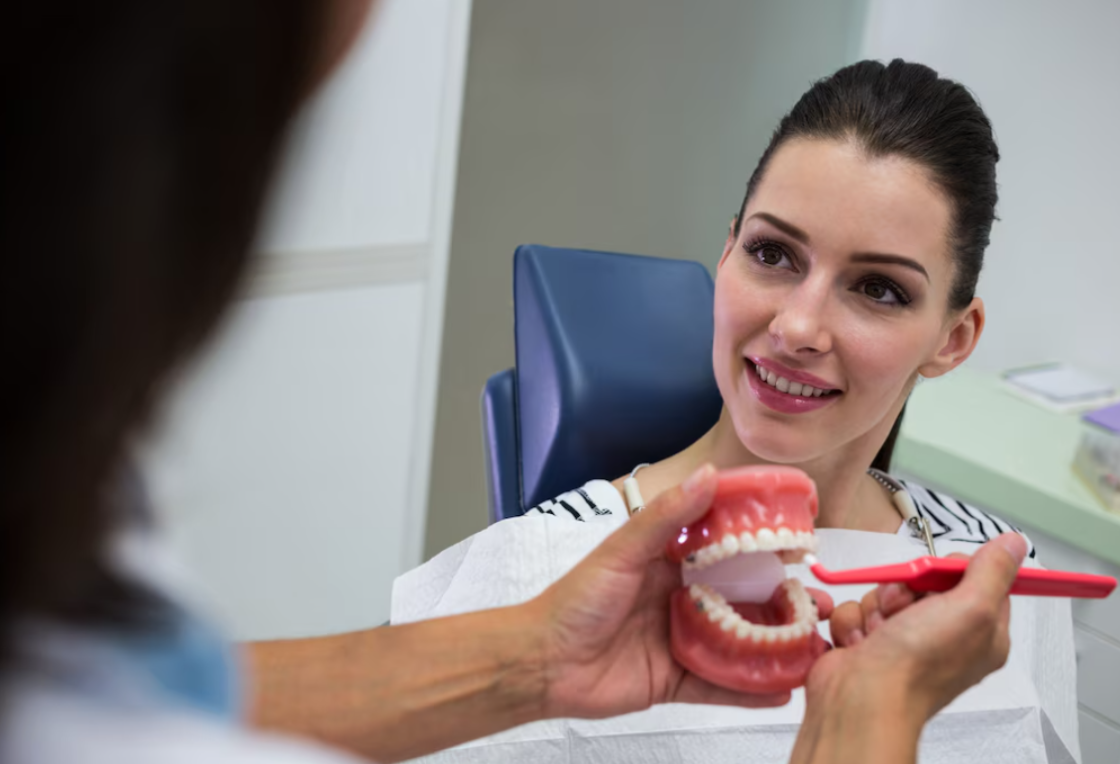
Dental implants for missing teeth are the most clinically advanced and functionally complete tooth replacement solution currently available in modern dentistry, consisting of a titanium post that is surgically placed into the jawbone to serve as an artificial tooth root, topped with a custom-fabricated crown that restores the appearance, function, and feel of the natural tooth it replaces. Unlike dentures or bridges, a dental implant integrates directly with the jawbone through a biological process called osseointegration, creating a permanent and stable foundation that behaves like a natural tooth in virtually every meaningful way. If you are living with one or more missing teeth and want to understand your options from a trusted Dental Clinic in Battersea that provides implant treatment with clinical precision and genuine long-term commitment to patient outcomes, this comprehensive guide provides everything you need to make a fully informed decision.
Missing teeth affect far more than the appearance of the smile. They compromise chewing function, affect speech, accelerate the bone loss that occurs naturally in the jaw when a tooth root is no longer present to stimulate the surrounding bone, and cause the adjacent teeth to drift into the gap over time in ways that create secondary orthodontic and restorative complications. Dental implants address every one of these consequences simultaneously, providing a solution that protects the long-term health of the jaw and the surrounding teeth while restoring a complete and natural-looking smile. For residents seeking the highest standard of Dental Care in Battersea that addresses missing teeth with the most durable, functional, and aesthetically refined option available, dental implants represent a life-changing treatment for many patients.
What Is a Dental Implant
A dental implant is a three-component prosthetic tooth replacement system that mimics the structure of the natural tooth from root to crown. The three components are the implant fixture, the abutment, and the crown.
The implant fixture is the titanium post that is placed surgically into the jawbone. Titanium is used because of its unique biocompatibility properties, it is one of the few materials that the human body does not reject, and its surface characteristics actively encourage the surrounding bone to grow into and around the implant surface in the process of osseointegration. Once osseointegration is complete, the implant is as firmly anchored in the jaw as a natural tooth root.
The abutment is a connector piece that attaches to the top of the osseointegrated implant fixture and provides the structural link between the implant and the visible crown restoration. It protrudes just above the gumline and is shaped to support the crown in the correct position and orientation.
The crown is the custom-fabricated porcelain or zirconia restoration that is attached to the abutment and is the part of the implant that is visible in the mouth. It is designed to precisely match the colour, size, and shape of the surrounding natural teeth, making the final restoration virtually indistinguishable from a natural tooth.
A qualified Dentist in Battersea who provides implant treatment will conduct a thorough pre-surgical assessment including three-dimensional cone beam CT imaging to evaluate the bone volume, density, and anatomical relationships at the proposed implant site before planning the treatment and discussing all aspects of the procedure with the patient.
Battersea Dental Practice is one of the best dental clinics in Battersea, providing dental implant treatment as part of a comprehensive approach to restoring missing teeth with the highest available standard of care and a genuine commitment to long-term implant success. Located at 33A Queenstown Rd, London SW8 3RE, United Kingdom, the team is reachable at +44 20 7622 5322 or batterseadentalpractice@gmail.com to schedule a consultation and discuss whether implants are the right solution for your specific situation.
For patients who want to explore the full range of implant options available and understand the assessment and treatment process in detail, Dental Implants in Battersea at Battersea Dental Practice provides comprehensive information about implant services, the clinical approach, and the outcomes patients can realistically expect.
Why Missing Teeth Should Not Be Left Untreated
One of the most important things patients with missing teeth need to understand is that leaving the gap untreated has consequences that compound over time and make eventual treatment more complex and more expensive.
When a tooth is lost, the jawbone in the area of the missing root begins to resorb, which means it loses volume and density in the absence of the mechanical stimulation that the tooth root provided during chewing. This bone loss progresses continuously over the months and years following extraction, reducing the available bone for future implant placement and changing the shape of the jaw and face in ways that can make a person look older than their age.
The adjacent teeth drift into the gap over time, tilting and rotating in ways that create contact problems, food trapping areas, and bite changes that can cause jaw joint discomfort and accelerate wear on the affected teeth. The opposing tooth may over-erupt into the space, causing similar secondary complications.
Chewing efficiency is reduced when teeth are missing, which can affect nutrition and digestion. Speech may be affected depending on the location of the missing tooth. And the visible gap in the smile affects the confidence and social ease of many patients in ways that have a genuine impact on quality of life.
Dental implants address every one of these consequences. The implant fixture stimulates the surrounding bone in the same way as a natural tooth root, preventing the bone resorption that would otherwise occur. The crown fills the gap and prevents adjacent tooth drifting. Chewing function is fully restored. And the aesthetic result is a complete, natural-looking smile.
Signs That Dental Implants May Be the Right Solution for You
There are several indicators that suggest dental implants are the most appropriate and beneficial tooth replacement option for a specific patient’s needs and circumstances.
- You have one or more missing teeth and want a fixed, permanent replacement that does not rely on the adjacent teeth for support
- You are wearing a removable denture or partial denture and find it uncomfortable, unstable, or limiting in terms of what you can eat
- You have had a tooth extracted recently and want to replace it before bone loss progresses in the extraction site
- You have adequate jawbone volume and density at the intended implant site, or you are a candidate for bone grafting to build sufficient bone before implant placement
- You are in good general health with no medical contraindications to implant surgery
- You are a non-smoker or willing to stop smoking before and during the healing period
- You are committed to maintaining excellent oral hygiene and attending regular professional monitoring appointments after implant placement
Dental Implants vs Other Tooth Replacement Options
Understanding how dental implants compare to the other available options for replacing missing teeth helps patients make a genuinely informed choice about which solution is best suited to their needs.
Dental Implants vs Dental Bridges
A dental bridge replaces a missing tooth by spanning the gap and anchoring an artificial tooth to crowns placed on the adjacent natural teeth on either side. A bridge is a fixed, non-removable restoration and does not require surgery. However, it requires the preparation and permanent alteration of the two adjacent teeth to support the bridge structure, which affects healthy tooth tissue that did not need treatment. A bridge also does not prevent bone resorption in the area of the missing tooth because there is no root to stimulate the bone.
A dental implant replaces the missing tooth without involving the adjacent teeth in any way. It prevents bone loss by stimulating the surrounding bone just as a natural root does, and it can last a lifetime with proper care whereas bridges typically require replacement after ten to fifteen years.
For patients with otherwise healthy adjacent teeth, an implant is generally the more conservative and longer-term beneficial choice because it preserves the natural tooth structure on either side of the gap.
Dental Implants vs Removable Dentures
Removable dentures replace missing teeth using a prosthetic appliance that rests on the gum tissue and is removed for cleaning. They are the least invasive and most accessible replacement option but they provide the lowest level of chewing function, the least stability, and do not prevent bone resorption beneath the appliance. Many patients find dentures uncomfortable, particularly lower dentures that have limited bone support, and they can slip or click during eating and speaking.
Implants provide full chewing function, are completely stable, and feel and function like natural teeth. For patients who are suitable surgical candidates, implants offer a significantly superior quality of life improvement compared to removable dentures. Implant-retained dentures, which are dentures anchored to a small number of implants, provide a middle-ground solution for patients who need to replace a full arch of teeth but want improved stability over a conventional removable appliance.
Step-by-Step: The Dental Implant Process
Understanding the complete implant treatment journey from the initial consultation through to the final crown placement helps patients appreciate the timeline and commit fully prepared to each stage.
Step 1: Comprehensive Consultation and Radiographic Assessment The implant journey begins with a thorough consultation that includes a full clinical examination, dental X-rays, and in most cases a cone beam CT scan that provides a three-dimensional view of the jawbone at the proposed implant site. This imaging allows the dental team to measure the available bone height, width, and density, identify the precise location of anatomical structures including nerve canals and sinuses, and plan the surgical placement with complete accuracy.
Step 2: Treatment Planning and Discussion The treatment plan is developed based on the assessment findings and discussed with the patient in full. This includes the proposed implant position, the anaesthesia options, whether any preliminary procedures such as bone grafting or tooth extraction are needed before implant placement, the expected timeline for osseointegration and crown placement, and the total investment involved. The patient has the opportunity to ask all questions and consider the plan before consenting to proceed.
Step 3: Preliminary Procedures if Required Some patients require preliminary treatment before implant placement can proceed. This may include extraction of any remaining non-restorable tooth structure, treatment of active gum disease that would compromise healing around the implant, or bone grafting to augment areas where bone resorption has reduced the available volume below the minimum needed for secure implant placement. These procedures add time to the overall treatment timeline but are essential for creating the optimal conditions for implant success.
Step 4: Implant Placement Surgery The implant placement procedure is performed under local anaesthesia. The gum tissue at the implant site is gently incised to expose the underlying bone, and a precisely sized channel is prepared in the bone using a sequence of gradually widening drills. The titanium implant fixture is threaded into the prepared channel and the gum tissue is repositioned and sutured closed over the implant. The procedure is typically completed within one hour for a single implant.
Step 5: Osseointegration Healing Period After placement, the implant is left undisturbed beneath the gum tissue to undergo osseointegration, the biological process by which the bone grows into and bonds with the textured surface of the titanium post. This process typically takes three to six months depending on the patient’s bone density, the location of the implant, and individual healing factors. During this period, a temporary restoration may be provided to maintain aesthetics and function in the implant area.
Step 6: Abutment Placement Once osseointegration is confirmed through clinical and radiographic assessment, a small second procedure exposes the top of the implant and the abutment is attached. In some implant systems, the abutment is placed at the same time as the implant fixture in a single-stage approach, eliminating the need for this separate appointment.
Step 7: Crown Fabrication and Fitting Impressions or a digital scan of the abutment and surrounding teeth are taken and used to fabricate the custom crown in the dental laboratory. When the crown is ready, it is checked for fit, shade, and occlusal accuracy before being permanently attached to the abutment. Any minor adjustments needed are made chairside to ensure the final restoration feels completely comfortable and natural.
Step 8: Ongoing Monitoring and Maintenance After the final crown is placed, the implant is monitored at regular dental appointments through clinical examination and periodic X-rays to confirm that the bone levels around the implant remain stable and that the gum tissue is healthy. Professional cleaning around the implant and the supporting structures is an important component of long-term implant maintenance.
Common Patient Mistakes Related to Dental Implants
Being aware of the most frequent mistakes patients make in relation to implant treatment helps you approach the process more effectively and protect the long-term success of your implant.
Not Addressing Active Gum Disease Before Implant Placement: Patients who have active periodontal disease and proceed with implant placement without first treating the gum disease face a significantly elevated risk of peri-implantitis, which is an infection around the implant that can cause bone loss and implant failure. Comprehensive periodontal treatment to achieve a healthy oral environment is an essential prerequisite for implant placement, not an optional preliminary step.
Smoking During the Healing Period: Smoking is one of the most significant risk factors for implant failure because nicotine constricts the blood vessels that supply nutrients to the healing bone and tissue around the implant. Patients who smoke during the osseointegration period have significantly higher rates of implant failure than non-smokers. Stopping smoking before implant placement and maintaining abstinence throughout the healing period is strongly recommended and dramatically improves implant success rates.
Neglecting Oral Hygiene Around the Implant: Some patients believe that because the crown on an implant is not a natural tooth, it does not require careful oral hygiene. This is incorrect. Although the implant crown cannot develop decay, the gum tissue and bone around the implant are susceptible to peri-implant infection if bacterial plaque is allowed to accumulate at the implant margin. Meticulous daily cleaning around the implant using a soft brush, interdental brush, and floss is essential for long-term implant health.
Not Attending Follow-Up Appointments: Regular professional monitoring is a critical component of long-term implant care. Follow-up appointments allow the dental team to identify early signs of peri-implant inflammation or bone level changes before they progress to more significant problems, and to provide professional cleaning around the implant that home care alone cannot replicate.
Safety Considerations for Dental Implant Surgery
Dental implant placement is a safe and well-established surgical procedure with an excellent track record of success. There are important safety considerations that every patient should discuss with their dental provider before proceeding.
Patients taking bisphosphonate medications for osteoporosis have an elevated risk of osteonecrosis of the jaw, a serious condition in which the jaw bone fails to heal properly after surgical intervention. The implications of bisphosphonate use for implant candidacy must be carefully assessed in consultation with the prescribing physician before any implant surgery is planned.
Patients with uncontrolled diabetes have impaired healing capacity and are at higher risk of implant failure and post-surgical infection. Achieving good diabetic control before implant surgery significantly improves outcomes and reduces the risk of complications.
Prevention and Maintenance Tips for Long-Term Implant Success
The habits established in the months and years following implant placement determine whether the implant provides decades of reliable function or encounters complications that compromise its longevity.
- Brush around the implant crown twice daily using a soft-bristled toothbrush, paying particular attention to the junction between the crown and the gum tissue
- Use an interdental brush specifically sized for the space around the implant to clean beneath and between the implant crown and adjacent teeth
- Floss around the implant daily using an implant-specific flossing technique or a water flosser to ensure thorough plaque removal from all surfaces
- Attend professional cleaning and implant monitoring appointments every six months without exception
- Wear a custom night guard if you grind your teeth during sleep to protect the implant crown from the sustained forces of bruxism
- Avoid using the implant to bite into very hard foods such as ice, hard sweets, or crusty bread that could stress the crown
- Report any changes around the implant including swelling, bleeding, sensitivity, or a feeling that the crown has moved to your dental provider promptly
Frequently Asked Questions
- How long do dental implants last? Dental implants are designed to be a permanent tooth replacement solution and with proper care and professional monitoring can last a lifetime. The titanium implant fixture, once fully osseointegrated into the jawbone, is extremely durable and rarely requires replacement in patients who maintain good oral hygiene and attend regular professional monitoring. The crown attached to the implant is more susceptible to wear and damage over time and may require replacement after fifteen to twenty years in some patients, though many implant crowns last considerably longer. Long-term implant success is most strongly associated with the patient’s commitment to daily oral hygiene and professional monitoring appointments.
- Is dental implant surgery painful? The implant placement procedure is performed under local anaesthesia and should not be painful during the surgery itself. Most patients experience mild to moderate soreness and swelling in the surgical area for two to five days after the procedure, which is effectively managed with prescribed or over-the-counter pain relief. Many patients report that the discomfort associated with implant surgery is less than they anticipated and is comparable to or less than the discomfort of a tooth extraction. Patients for whom anxiety is a significant concern can discuss sedation options with their dental provider before the appointment.
- What is the success rate of dental implants? Dental implants have a very high long-term success rate in properly selected and treated patients. Studies consistently report implant survival rates of 95 percent or above at ten years in patients with healthy bone and no significant systemic risk factors. Success rates are influenced by patient-specific factors including bone quality and density, the presence of systemic conditions such as diabetes, smoking status, and the quality of oral hygiene and professional maintenance after placement. Choosing an experienced, qualified implant provider and committing to the recommended aftercare protocol are the most important patient-controlled factors in achieving and maintaining implant success.
- Can anyone have dental implants? Most healthy adults with adequate jawbone volume are suitable candidates for dental implants. The key requirements for implant candidacy are sufficient bone at the proposed implant site to securely anchor the fixture, good general health with no significant contraindications to surgery, good oral hygiene, and no active gum disease. Patients with insufficient bone may be candidates for bone grafting procedures to augment the bone before implant placement. Patients with certain medical conditions including uncontrolled diabetes, bisphosphonate use, or significant immune compromise require careful assessment of their suitability. The only definitive way to determine whether you are a suitable candidate is through a comprehensive clinical and radiographic assessment with a qualified implant provider.
- How do I care for my dental implant differently from my natural teeth? Dental implants require very similar daily care to natural teeth with a few additional considerations. Brushing twice daily with a soft-bristled toothbrush, using interdental brushes to clean around the implant crown, flossing daily, and attending regular professional cleaning and monitoring appointments are the foundations of implant maintenance. The specific additional consideration for implants is the need for interdental cleaning around the implant margin and beneath the crown, which may require different flossing technique or a water flosser depending on the implant design. Your dental team will provide specific instructions tailored to your implant system and individual anatomy at the time of crown placement.
Conclusion
Dental implants for missing teeth represent the most comprehensive and durable tooth replacement solution available in modern dentistry, addressing not only the visible gap in the smile but also the bone loss, adjacent tooth drifting, and functional compromise that untreated missing teeth cause over time. Choosing implants when clinically appropriate, committing to the pre-surgical and aftercare requirements, and maintaining consistent daily hygiene and professional monitoring are the three pillars of implant success that deliver a lifetime of function and confidence. Battersea Dental Practice, located at 33A Queenstown Rd, London SW8 3RE, United Kingdom, is one of the most trusted dental clinics in Battersea, providing expert dental implant treatment and comprehensive long-term implant care to patients who want a permanent, natural-looking solution to missing teeth. To book your implant consultation, contact the team at batterseadentalpractice@gmail.com or call +44 20 7622 5322.