
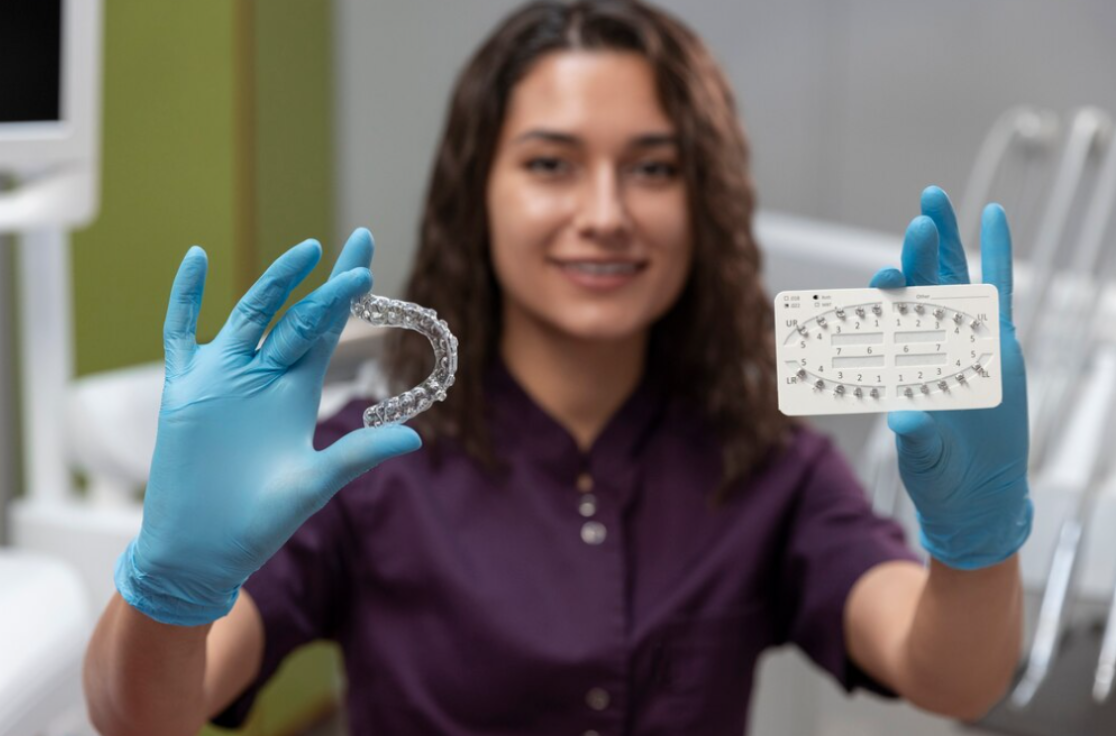
Same-day retainers refer to orthodontic retainers that are designed, fabricated, and fitted to the patient within a single dental appointment, eliminating the waiting period of days or weeks associated with laboratory-made retainers and ensuring that the teeth are held in their corrected positions from the very moment active orthodontic treatment ends. The benefit of same day retainers is both immediate and clinically significant because the window between the end of active treatment and the fitting of a retainer is the period when the teeth are most susceptible to relapse, and closing that window entirely is the most effective way to protect the investment of months of orthodontic treatment. If you are nearing the end of your orthodontic journey and want guidance from a trusted Dental Clinic in Battersea that provides immediate retention solutions as part of a comprehensive approach to long-term treatment outcomes, understanding the full scope of what same-day retainers offer is the most important step you can take.
Retention is the final and arguably most important phase of any orthodontic treatment, and it is a phase that too many patients underestimate or delay. Teeth have a well-documented and biologically driven tendency to drift back toward their pre-treatment positions after orthodontic forces are removed, a process that begins immediately after the last aligner or fixed appliance is removed. For residents seeking the highest standard of Dental Care in Battersea that protects the quality and longevity of orthodontic results from day one of the retention phase, same day retainers represent a clinically superior approach to conventional laboratory-fabricated alternatives that require a waiting period before fitting.
What Are Same-Day Retainers
Same-day retainers are orthodontic retainers manufactured and fitted during a single clinical appointment on the day that active orthodontic treatment is completed or as a standalone appointment for patients who need an immediate retainer. They are distinct from conventional retainers that require impressions or scans to be sent to an external dental laboratory, with the finished retainer returned to the practice in several days to two weeks later.
Same-day retainers are most commonly produced using in-surgery digital technology including intraoral scanning and in-house 3D printing or thermoforming equipment, or through the direct placement of fixed bonded retainers using composite resin. Both approaches allow the retainer to be placed immediately at the completion of active treatment, ensuring that there is no gap between the end of tooth movement and the beginning of retention.
A qualified Dentist in Battersea who offers same-day retainers will assess which type of retainer is most appropriate for the individual patient based on the nature of the orthodontic treatment completed, the patient’s compliance history, their lifestyle, and the specific teeth that need to be maintained in their corrected positions.
Battersea Dental Practice is one of the best dental clinics in Battersea, providing comprehensive orthodontic aftercare, including same-day retention options that protect treatment results and give patients the immediate security of knowing their corrected smile is being held in place from the first day. Located at 33A Queenstown Rd, London SW8 3RE, United Kingdom, the team is reachable at +44 20 7622 5322 or batterseadentalpractice@gmail.com to discuss retention options and schedule an appointment.
For patients who want to explore the full range of post-orthodontic care and retention services available, Retainers in Battersea at Battersea Dental Practice provides information about the retention solutions offered and the approach taken to maintaining the quality of orthodontic results over the long term.
The Clinical Importance of Immediate Retention
The biological basis for immediate retention rests on a clear understanding of what happens to the teeth and their supporting structures in the period immediately following the completion of orthodontic treatment.
During orthodontic treatment, the teeth are moved through the alveolar bone by the controlled application of force from braces, aligners, or other orthodontic appliances. The bone surrounding the roots remodels throughout the treatment in response to these forces, with bone being resorbed on the pressure side of each tooth movement and new bone being laid down on the tension side. At the completion of active treatment, the bone around the teeth in their new positions has not yet fully mineralised and consolidated, which means the supporting structures are at their least stable immediately after treatment ends.
The periodontal fibres, which are the connective tissue fibres that attach the tooth roots to the surrounding bone, are stretched and stressed by the tooth movements made during orthodontic treatment. These fibres have a natural elastic memory and exert forces on the teeth that tend to pull them back toward their original positions, particularly in the first weeks and months after treatment when the fibres have not yet adapted to the new positions of the teeth.
This is why the period immediately after the completion of active orthodontic treatment is the highest-risk phase for relapse, and why providing a retainer on the same day that active treatment ends is the most clinically protective approach to retention management.
Types of Same Day Retainers
There are several types of retainers that can be provided on the same day as the completion of active orthodontic treatment, each with specific characteristics that make them most appropriate for different clinical situations.
Thermoplastic Vacuum-Formed Retainers
Thermoplastic vacuum-formed retainers, commonly known as Essix or clear retainers, are the most widely used type of removable retainer and in practices with in-house thermoforming equipment can be fabricated and fitted on the same day as the final orthodontic appointment. A digital scan or stone model of the teeth in their final corrected positions is used to produce the retainer, and the clear plastic tray is trimmed and fitted chairside.
Thermoplastic retainers are clear and virtually invisible when worn, making them an aesthetically appropriate choice for most patients. They cover all the teeth in the arch and provide even retention across the full dentition. They are comfortable to wear, easy to remove for eating and cleaning, and can be replaced when they wear out without requiring additional impressions in most cases if the digital scan is retained on file.
Fixed Bonded Retainers
A fixed bonded retainer is a thin wire bonded directly to the inner surfaces of the teeth using dental composite resin. It is a permanent retention solution that requires no compliance from the patient because it is attached to the teeth at all times and works continuously without any need for the patient to remember to wear it.
Fixed retainers are most commonly placed on the lower front teeth, which have the highest tendency to relapse after orthodontic correction, and can be placed on the same day as the completion of active treatment because their fabrication involves direct bonding to the tooth surfaces rather than any laboratory involvement. They are highly effective at preventing relapse in the teeth they are bonded to and do not affect the patient’s appearance.
The primary consideration with fixed retainers is the additional oral hygiene attention they require. Patients must use floss threaders or interdental brushes to clean beneath the wire, and the wire must be monitored at regular dental appointments to ensure the bond to each tooth remains intact and that the wire is not causing any adverse effects on the tooth surfaces or gum tissue.
In-House 3D Printed Retainers
Practices equipped with in-house 3D printing technology can produce precisely fabricated custom retainers on the same day using digital scans taken immediately after the completion of active treatment. The digital workflow eliminates the need for conventional impressions and the scanning, printing, and finishing process can be completed within the duration of a single appointment.
3D printed retainers provide an exceptionally accurate fit because they are produced directly from a digital scan of the teeth in their final position rather than from a physical impression that may introduce small inaccuracies. They represent the most technologically advanced same-day retainer option currently available in the dental setting.
Key Benefits of Same-Day Retainers
The advantages of same-day retainers extend across multiple dimensions of the patient experience and the clinical outcome of orthodontic treatment.
Immediate Protection Against Relapse
The most clinically significant benefit of same-day retainers is that they eliminate the gap between the end of active treatment and the beginning of retention. Every day that passes without a retainer in place after orthodontic treatment is completed is a day during which the teeth are free to move. Even small amounts of relapse in the first days and weeks after treatment can be perceptible to the patient and require additional refinement to correct. Immediate retention prevents any relapse from occurring during the post-treatment period, protecting the final result completely from the moment active treatment ends.
Protection of the Treatment Investment
Orthodontic treatment represents a significant investment of time, commitment, and financial resources. The result achieved at the end of active treatment is the culmination of that investment, and protecting it from the first day of retention is the most important step in ensuring that investment retains its value over the years and decades that follow. Same day retainers provide this protection immediately rather than after a period during which the investment is temporarily unprotected.
Reduced Patient Anxiety and Uncertainty
Many patients experience a degree of anxiety about the gap between the end of active treatment and the fitting of a conventional laboratory retainer, particularly those who are already aware that teeth can move after orthodontic treatment. Receiving a retainer on the same day that active treatment ends eliminates this anxiety by ensuring that the patient leaves the final orthodontic appointment with their corrected smile fully protected.
Convenience and Efficiency
Same-day retainers remove the need for a separate return visit to collect the retainer after active treatment has ended, reducing the total number of appointments required and making the transition from active treatment to retention seamless for the patient. This convenience is particularly valued by patients with busy professional or personal schedules who find managing multiple dental appointments challenging.
Immediate Comfort Adaptation
Wearing a retainer that fits the teeth in their newly corrected final positions from day one allows the patient to adapt to the retainer while the teeth are still at their most settled post-treatment position. This can make the initial adaptation period more comfortable than receiving a retainer made from impressions taken at an earlier stage of treatment that may not perfectly reflect the final tooth positions.
Step-by-Step: How Same Day Retainers Are Provided
Understanding the process of how same day retainers are produced and fitted helps patients know exactly what to expect at their final orthodontic appointment.
Step 1: Completion of Active Treatment The active orthodontic treatment phase is concluded, whether that involves the removal of the final fixed brace components, the completion of the last aligner in the series, or the debonding of bracket attachments. The dental team confirms that the treatment goals have been achieved and assesses the final position of the teeth.
Step 2: Digital Scanning A high-resolution digital intraoral scan is taken of the upper and lower arches in their final corrected positions. This scan captures the precise three-dimensional geometry of every tooth surface and provides the data needed to fabricate the retainer with exceptional accuracy.
Step 3: Retainer Fabrication Depending on the type of retainer chosen, the fabrication process begins immediately. For thermoplastic retainers with in-house thermoforming equipment, a model of the teeth is produced from the digital scan and the retainer tray is formed over it. For 3D printed retainers, the digital scan data is processed through design software and the retainer is printed in-house. For fixed bonded retainers, the wire is pre-bent to the contour of the tooth surfaces and the bonding process is carried out directly at the chair.
Step 4: Trimming and Finishing Thermoplastic and 3D printed retainers are trimmed, finished, and polished to remove any rough edges and ensure a comfortable and accurate fit over the full arch. Fixed retainers are checked to ensure the wire is correctly bonded to each tooth surface with no excess composite.
Step 5: Fitting and Occlusal Check The retainer is placed in the patient’s mouth and checked for fit, comfort, and accuracy. Any minor adjustments needed for optimal seating and comfort are made chairside. For removable retainers, the patient is shown how to insert and remove the retainer correctly. The bite is checked to ensure the retainer does not create any interference with the normal occlusion.
Step 6: Aftercare Instruction The patient receives comprehensive instructions on how to wear and care for the retainer, including daily wear requirements, cleaning protocols, storage guidance for removable retainers, and what to do if the retainer is lost, damaged, or stops fitting correctly. The importance of full-time wear in the initial period and the transition to night-only wear at the appropriate stage is explained clearly.
Common Mistakes Patients Make With Retainers
Awareness of the most frequent retainer-related mistakes helps patients protect their orthodontic results over the long term.
Not Wearing Retainers Consistently From Day One: The most damaging mistake a patient can make is not wearing their retainer consistently from the first day it is provided. Even one or two nights without a retainer in the early weeks after treatment can allow the teeth to shift enough that the retainer feels tight and uncomfortable when reinserted, which is the first sign that relapse has begun.
Removing Retainers During Meals and Not Replacing Them: Some patients remove their removable retainer for meals and forget to reinsert it, accumulating significant wear time gaps throughout the day without realising the cumulative impact on their retention. Keeping the retainer case with you at all times and making replacement immediately after eating a consistent habit prevents this from becoming a problematic pattern.
Not Replacing Worn or Damaged Retainers Promptly: Removable retainers wear with use and may crack or distort over time, reducing their effectiveness at maintaining tooth positions. Patients who notice that a retainer feels loose, has developed a crack, or no longer seats correctly should contact their dental provider promptly rather than continuing to wear a compromised retainer or discontinuing wear while waiting to address the issue.
Assuming the Retention Phase Ends After a Few Months: Many patients believe that they only need to wear their retainer for six months to a year after orthodontic treatment, after which the teeth will stay in position permanently. In reality, retention is a permanent commitment for most patients because the forces that drive relapse including the continued eruption of teeth, the forces of the soft tissues, and the natural ageing changes of the dentition, continue throughout life. Permanent retainer wear, typically full-time for the first six months and then nightly thereafter, is the standard recommendation for most adult orthodontic patients.
Prevention and Maintenance Tips for Retainers
Caring for retainers properly protects both the retainer and the teeth it is designed to maintain, extending the useful life of the retainer and supporting good oral health throughout the retention phase.
- Clean removable retainers every morning and evening by rinsing under cool water and gently brushing with a soft toothbrush to remove the bacterial film that accumulates during wear
- Never use hot water to clean or rinse a thermoplastic retainer as heat distorts the plastic and changes the fit
- Store removable retainers in the protective case provided whenever they are not being worn to prevent loss, damage, and exposure to bacteria
- Avoid wrapping retainers in tissue or leaving them on a table, as these are the two most common ways retainers are accidentally discarded or damaged
- Brush and floss your teeth before inserting a clean retainer to avoid trapping bacteria and food particles beneath the retainer surface
- Monitor fixed bonded retainers regularly by running your tongue along the wire to check that every bond point feels secure, and report any looseness to your dental provider promptly
- Use floss threaders or interdental brushes to clean beneath fixed bonded retainers daily to prevent tartar accumulation around the wire
- Attend regular dental check-ups and hygienist appointments so the condition of both removable and fixed retainers can be professionally monitored and any issues addressed early
Frequently Asked Questions
- How long do I need to wear a same-day retainer after orthodontic treatment? The recommended wear duration and schedule vary depending on the individual patient and the type of retainer provided. For removable retainers, full-time wear, including throughout the night, is typically recommended for the first six months after the completion of active treatment, during which the bone and periodontal fibres around the teeth in their new positions are stabilising and consolidating. After this period, most patients transition to nightly wear indefinitely. For fixed bonded retainers, the retainer is worn permanently as a passive long-term retention solution. Your dental provider will give you a specific wear schedule recommendation based on your individual clinical situation.
- What happens if I lose my same-day retainer? If a removable retainer is lost, contact your dental provider as soon as possible. Most practices retain the digital scan data used to fabricate the original retainer, which means a replacement can often be produced without the need for a new impression or scan. The longer the retainer is not worn, the greater the likelihood that the teeth will shift enough to affect the fit of a replacement retainer. Acting promptly minimises the risk of relapse and the complexity of the replacement process. Always keep your previous retainer rather than discarding it so that you have a backup available if your current retainer is damaged or lost.
- Are same-day retainers as accurate and effective as laboratory-made retainers? Same-day retainers produced using high-quality digital scanning and precision in-house fabrication technology are as accurate and effective as conventional laboratory-made retainers for the majority of patients. Digital intraoral scanning provides a highly precise three-dimensional record of the tooth surfaces that eliminates the small inaccuracies that can be introduced by conventional impression materials. The key determinant of retainer effectiveness is not whether it was produced in-house or in a laboratory but rather the precision of the scan or impression on which it is based and the accuracy of the fabrication process.
- Can I get a same-day retainer if I have had Invisalign treatment? Yes, same-day retainers are particularly well-suited to patients completing Invisalign treatment because digital scanning is already a standard part of the Invisalign workflow, and the same scanning technology used during treatment can be used to fabricate the retention appliance immediately at the final appointment. Many Invisalign patients choose to use a clear thermoplastic retainer after treatment that is visually similar to their aligners, which makes the transition from active treatment to retention feel seamless. Fixed bonded retainers are also an excellent option for Invisalign patients who want a compliance-free retention solution.
- Is a fixed bonded retainer better than a removable retainer? Neither type of retainer is universally superior, as both serve the same primary purpose of maintaining the corrected tooth positions and each has specific advantages that make it more or less appropriate for different patients and situations. Fixed bonded retainers require no compliance and work continuously without any action from the patient, which makes them highly reliable for patients who are concerned about their ability to maintain consistent removable retainer wear. However, they require additional oral hygiene effort and must be professionally monitored for bond integrity. Removable retainers are easier to clean and do not place any demands on interdental hygiene beyond normal flossing, but their effectiveness depends entirely on consistent wear. Many patients benefit from a combination of both, with a fixed retainer on the lower arch and a removable retainer for the upper arch, and your dental provider will recommend the approach most suited to your individual needs.
Conclusion
Same-day retainers represent the gold standard in post-orthodontic retention care by eliminating the critical gap between the completion of active treatment and the beginning of tooth position maintenance, protecting the quality of the orthodontic result from the very first moment it is achieved. Committing to consistent retainer wear from day one, caring for the retainer properly, and attending regular professional monitoring appointments are the three habits that ensure the investment of orthodontic treatment delivers a lasting and beautiful result throughout the years that follow. Battersea Dental Practice, located at 33A Queenstown Rd, London SW8 3RE, United Kingdom, is one of the most trusted dental clinics in Battersea, providing same-day retention solutions and comprehensive orthodontic aftercare to patients who want to protect and preserve their corrected smiles for life. To discuss your retention options or book your appointment, contact the team at batterseadentalpractice@gmail.com or call +44 20 7622 5322.